


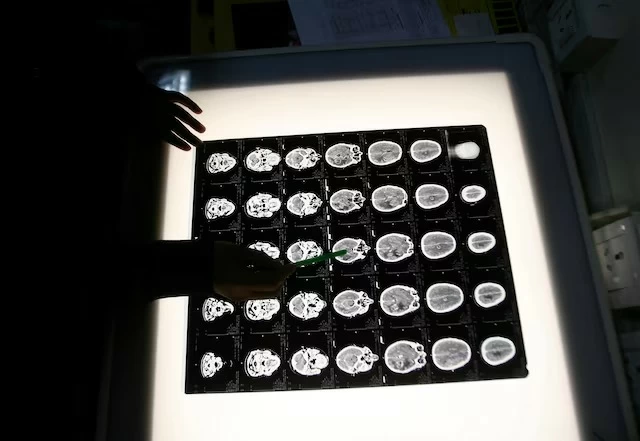
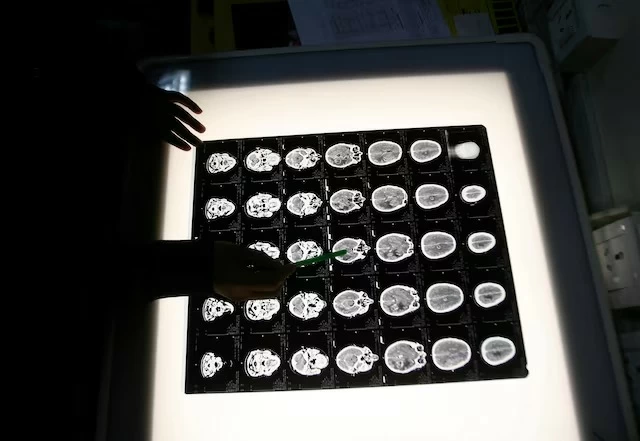
أدّت القفزة الكبيرة في أسعار البلاتين عالمياً واضطرابات سلاسل الإمداد إلى نقص حاد في أدوية العلاج الكيميائي بالهند، ما دفع مرضى السرطان إلى البحث عن العقاقير الأساسية عبر ولايات مختلفة، وسط تحذيرات من تأثير الأزمة على استمرارية العلاج لمئات الآلاف من المرضى.
وبحسب وكالة رويترز، يشير أطباء وموزعو أدوية إلى أن الهند تشهد نقصاً متزايداً في أدوية العلاج الكيميائي القائمة على البلاتين، مثل «سيسبلاتين» و«كاربوبلاتين»، المستخدمة في علاج أنواع متعددة من السرطان، من بينها سرطان الرئة والمبيض والمرارة.
وتعتمد الهند بشكل كبير على استيراد البلاتين من الخارج، خصوصاً من دول منتجة مثل جنوب أفريقيا. إلا أن ارتفاع الأسعار العالمية للمعادن النفيسة، إلى جانب اضطرابات سلاسل الإمداد المرتبطة بالتوترات والصراعات في الشرق الأوسط، أدى إلى تقلص المعروض من المواد الخام اللازمة لإنتاج هذه الأدوية.
وقال الأمين العام لمنظمة الكيميائيين وتجار الأدوية في عموم الهند راجيف سينغهال، إن السوق تعاني من ضغوط متزايدة منذ نحو شهرين، إلا أن الوضع ازداد سوءاً خلال الأسبوعين الأخيرين مع تفاقم النقص في الإمدادات.
وأوضح أن موزعي الأدوية في مختلف أنحاء البلاد يشتكون من عدم قدرتهم على الحصول على الكميات المطلوبة من العقاقير، رغم وجود عدد من الشركات المصنعة للأدوية الجنيسة التي تنتج علاجات قائمة على البلاتين.
وأكد موزعون أن طلبات المرضى للحصول على عقار «سيسبلاتين» ارتفعت بشكل ملحوظ خلال الأسابيع الماضية، في ظل محدودية الكميات المتاحة في الأسواق والمستشفيات.
من جانبهم، يحذّر أطباء الأورام من أن استمرار الأزمة قد يؤثر بشكل مباشر على خطط العلاج، مشيرين إلى أن ما لا يقل عن ربع مرضى العلاج الكيميائي في الهند يعتمدون على أدوية البلاتين ضمن بروتوكولاتهم العلاجية.
وقال استشاري الأورام في مستشفى «بي آر إس» بولاية كيرالا الدكتور مينتو ماثيو أبراهام، إن هذه العقاقير تشكل «العمود الفقري» لعلاج العديد من أنواع السرطان، مؤكداً أن غيابها سيجعل مواصلة العلاج أمراً بالغ الصعوبة بالنسبة لكثير من المرضى.
وتأتي الأزمة في وقت تشهد فيه أسعار البلاتين العالمية ارتفاعاً حاداً نتيجة توقعات باستمرار عجز المعروض في الأسواق العالمية للعام الرابع على التوالي، مدفوعاً بتراجع إنتاج المناجم وارتفاع الطلب الاستثماري وتراجع المخزونات.
وفي المقابل، تواجه شركات الأدوية الهندية صعوبة في تمرير هذه الزيادات إلى المستهلكين؛ بسبب خضوع أسعار الأدوية لسقوف سعرية تحددها الحكومة، وتطالب الشركات برفع الحدود السعرية بنحو 50% لمواكبة الارتفاع الكبير في تكاليف الإنتاج.
وأدى ارتفاع أسعار المواد الخام إلى تقليص الإنتاج لدى بعض الشركات المصنعة، فقد أعلنت شركة «نابرود لايف ساينسز» تعليق إنتاج عقاري «سيسبلاتين» و«كاربوبلاتين» مؤقتاً، مشيرة إلى أن سعر غرام البلاتين ارتفع خلال عام واحد فقط من نحو 2,000 روبية إلى 5,000 روبية.
كما أكدت شركة «فينوس ريميديز»، التي تزود المستشفيات الحكومية بالأدوية، أنها تحملت خسائر مالية لفترة طويلة، لكنها أصبحت أكثر حذراً في إبرام عقود جديدة بسبب تزايد الضغوط على سلاسل التوريد.
وحذّر مسؤولون في القطاع الدوائي من أن استمرار تثبيت الأسعار رغم ارتفاع التكاليف قد يؤدي إلى تفاقم النقص في السوق، ما ينعكس مباشرة على المرضى الذين يعتمدون على هذه العلاجات الحيوية لإنقاذ حياتهم.
The significant surge in global platinum prices and supply chain disruptions have led to a severe shortage of chemotherapy drugs in India, prompting cancer patients to search for essential medications across different states, amid warnings about the impact of the crisis on the continuity of treatment for hundreds of thousands of patients.
According to Reuters, doctors and drug distributors indicate that India is experiencing an increasing shortage of platinum-based chemotherapy drugs, such as “cisplatin” and “carboplatin,” used to treat various types of cancer, including lung, ovarian, and gallbladder cancers.
India heavily relies on importing platinum from abroad, particularly from producing countries like South Africa. However, the rise in global prices of precious metals, along with supply chain disruptions linked to tensions and conflicts in the Middle East, has led to a reduction in the supply of raw materials necessary for producing these drugs.
The Secretary-General of the Chemists and Drug Traders Organization of India, Rajiv Singhal, stated that the market has been under increasing pressure for about two months, but the situation worsened in the last two weeks as the supply shortage intensified.
He explained that drug distributors across the country are complaining about their inability to obtain the required quantities of medications, despite the presence of several generic drug manufacturers producing platinum-based treatments.
Distributors confirmed that patient requests for “cisplatin” have significantly increased in recent weeks, amid limited quantities available in markets and hospitals.
On their part, oncologists warn that the continuation of the crisis could directly affect treatment plans, noting that at least a quarter of chemotherapy patients in India rely on platinum drugs as part of their treatment protocols.
Dr. Minto Mathew Abraham, an oncology consultant at the “BRS” Hospital in Kerala, stated that these drugs form the “backbone” of treatment for many types of cancer, emphasizing that their absence will make continuing treatment extremely difficult for many patients.
The crisis comes at a time when global platinum prices are sharply rising due to expectations of continued supply shortages in global markets for the fourth consecutive year, driven by declining mine production, increased investment demand, and reduced inventories.
In contrast, Indian pharmaceutical companies are facing difficulties in passing these increases onto consumers due to government-imposed price ceilings on medications, with companies demanding a price cap increase of about 50% to keep up with the significant rise in production costs.
The rise in raw material prices has led to reduced production at some manufacturing companies; for instance, “Naprode Life Sciences” announced a temporary halt in the production of “cisplatin” and “carboplatin,” noting that the price of platinum per gram has risen in just one year from about 2,000 rupees to 5,000 rupees.
Additionally, “Venus Remedies,” which supplies medications to government hospitals, confirmed that it has been incurring financial losses for a long time, but has become more cautious in entering new contracts due to increasing pressures on supply chains.
Officials in the pharmaceutical sector warned that the continued price stabilization despite rising costs could exacerbate the shortage in the market, which directly affects patients who rely on these vital treatments to save their lives.