

تابع قناة عكاظ على الواتساب
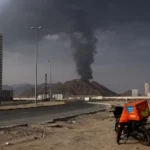
شهدنا توترات متصاعدة بين إيران وأطراف إقليمية ودولية، الولايات المتحدة وإسرائيل، في سياق مواجهات عسكرية، الهجمات بالمسيّرات على الخليج، والتحذيرات الدولية للرعايا الأجانب في المنطقة بمغادرة الشرق الأوسط، يتساءل الناس هل سيتصاعد الأمر وصولاً الى اشتباك إقليمي أم أن الخليج يُجر إلى فخ المواجهة مع إيران والكثير من التساؤلات التي من أهمها، ما هو دور التوازن الاقتصادي في الحد من اندلاع حرب واسعة النطاق؟
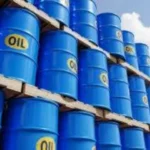
إيران تعتمد بشكل كبير على صادرات النفط والغاز لتغطية ميزانيتها وتمويل مشروعاتها الداخلية والإقليمية، وأي تصعيد عسكري واسع النطاق سيهدد قدرة إيران على التصدير، ويؤدي إلى خسائر مالية فادحة، مما يزيد الضغط الداخلي على النظام ويجعل اتخاذ خطوات استفزازية أكبر محفوفاً بالمخاطر.
بالمثل، دول الخليج فهي تعتمد على النفط والغاز كمصدر رئيسي للعوائد الاقتصادية وأي اضطراب في الممرات البحرية أو زيادة مفاجئة في أسعار النفط سيحدث تأثيراً مباشر.
حتى الولايات المتحدة والدول الكبرى الأخرى ليست بمعزل عن التأثير الاقتصادي، فأي حرب مفتوحة في الخليج تعني ارتفاع أسعار النفط عالمياً، وتأثيراً على الاقتصاد العالمي وأسواق المال، ما يضيف عبئاً سياسياً على صانعي القرار في واشنطن، هذا التوازن الاقتصادي بين الأطراف يعمل كحزام أمان يمنع الانزلاق نحو حرب واسعة، ويجعل كل طرف يقيم كلفة أي خطوة تصعيدية قبل اتخاذها.
مع ذلك، فإن التوازن الاقتصادي لا يضمن السلام الدائم وإن كان يحد من حدوث العكس، فالخلافات السياسية والتاريخية المعقدة، النزاعات الإقليمية، والأيديولوجيات المختلفة والمتضادة أحياناً في الشرق الأوسط تجعل الخلافات قائمة دائماً برغم وجود الاعتبارات الاقتصادية، إما مناوشات أو هجمات مباشرة أو بواسطة الوكلاء، والكثير من السلوكيات التي يكون مؤداها استعراض القوة أو الاستفزاز، كل ذلك وارد مما يجعل المنطقة في حالة عدم استقرار دائم، لكنها وإن كانت كذلك فهي أقل تكلفة من الدخول في مواجهة عسكرية شاملة.
بعض الأطراف قد تغامر إن رأت أن المكاسب السياسية أو الرمزية أهم من الخسائر الاقتصادية قصيرة المدى، حيث إن التصعيد المحدود دائماً وارد، وبذلك فإن التوازن الاقتصادي في مثل هذه الظروف سيمنع التصعيد وفي نفس الوقت هو لا يضمن السلام.
We have witnessed escalating tensions between Iran and regional and international parties, including the United States and Israel, in the context of military confrontations, drone attacks in the Gulf, and international warnings for foreign nationals in the region to leave the Middle East. People are questioning whether the situation will escalate into a regional clash or if the Gulf is being drawn into a trap of confrontation with Iran, along with many questions, the most important of which is: what is the role of economic balance in limiting the outbreak of a large-scale war?
Iran heavily relies on oil and gas exports to cover its budget and finance its domestic and regional projects. Any large-scale military escalation would threaten Iran’s ability to export, leading to significant financial losses, which would increase internal pressure on the regime and make taking more provocative steps fraught with risks.
Similarly, Gulf countries depend on oil and gas as a primary source of economic revenue, and any disruption in maritime routes or a sudden increase in oil prices would have a direct impact.
Even the United States and other major countries are not immune to economic effects; any open war in the Gulf means rising oil prices globally, impacting the global economy and financial markets, which adds a political burden on decision-makers in Washington. This economic balance among the parties acts as a safety belt that prevents slipping into a large-scale war and makes each party assess the cost of any escalatory step before taking it.
However, economic balance does not guarantee lasting peace, even if it limits the occurrence of the opposite. The complex political and historical disputes, regional conflicts, and sometimes conflicting ideologies in the Middle East keep disagreements ongoing despite economic considerations, whether through skirmishes, direct attacks, or via proxies, along with many behaviors aimed at demonstrating power or provocation. All of this is possible, which keeps the region in a state of constant instability; yet, even so, it is less costly than entering into a comprehensive military confrontation.
Some parties may take risks if they see that political or symbolic gains outweigh short-term economic losses, as limited escalation is always possible. Thus, economic balance in such circumstances will prevent escalation, while at the same time, it does not guarantee peace.