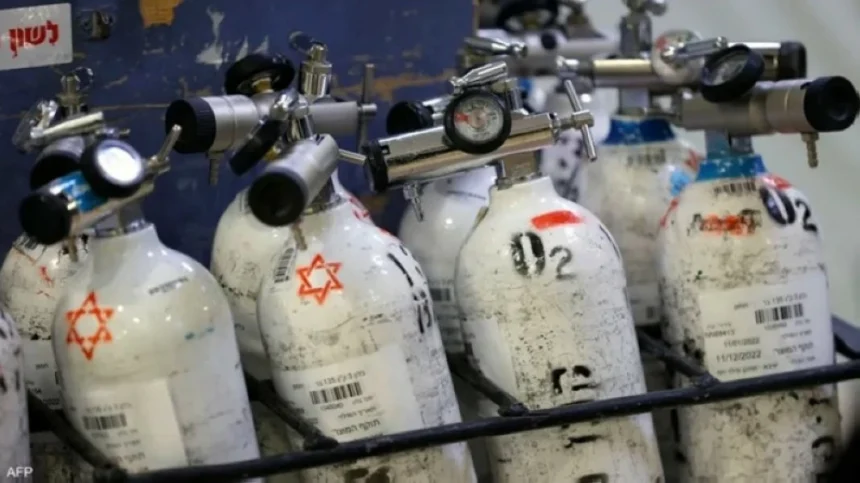
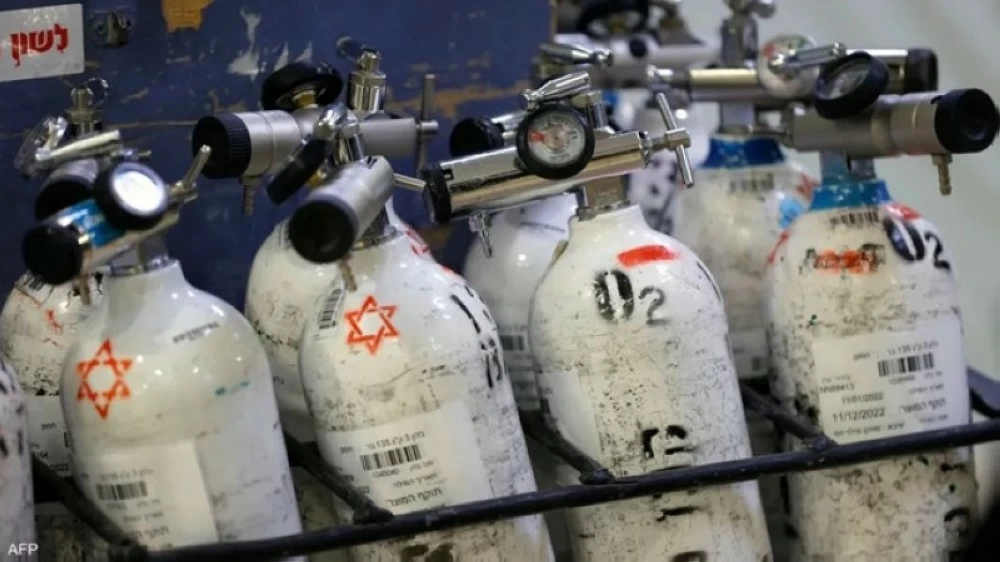
أعلنت وزارة الصحة الإسرائيلية حالة الطوارئ بعد حادثة صادمة هذا الأسبوع، إذ توفيت امرأتان في مختبر بمصفاة نفط في مدينة أشدود بعد العثور عليهما فاقدتين للوعي؛ بسبب استخدامهما أسطوانات أكسجين، ما أثار مخاوف واسعة حول سلامة أسطوانات الأكسجين في منشآت الحكومة.
وأوضحت الوزارة أن الحادثة وقعت يوم الأربعاء، وأن التحقيقات الأولية أشارت إلى خلل في أسطوانات الأكسجين التي استخدمتها الضحيتان، ما أثار مخاوف بشأن احتمال وجود مواد سامة أو أعطال تقنية تؤثر على صحة مستخدمي هذه الأسطوانات على مستوى إسرائيل.
وفي خطوة عاجلة، شددت وزارة الصحة الإسرائيلية على فحص جميع أسطوانات الأكسجين في المستشفيات والمنشآت الصحية، مع إخراج أي أسطوانة تالفة من الخدمة فوراً، لضمان سلامة المرضى. كما تشمل الإجراءات التحقق من أسطوانات المرضى الذين يستخدمون أجهزة التنفس الاصطناعي المنزلي.
وفي السياق نفسه، أصدرت منظمة «هتزالا المتحدة»، وهي جمعية تطوعية لتقديم خدمات الطوارئ الطبية، تعليمات لجميع المتطوعين بتعليق استخدام أسطوانات الأكسجين مؤقتاً، مع العمل على استبدال الأسطوانات غير المطابقة للمواصفات وتوفير معدات بديلة معتمدة لضمان عدم تكرار الحوادث.
وأثارت الحادثة حالة من القلق بين السكان والمهنيين الصحيين على حدٍّ سواء، وجعلت السلامة في التعامل مع الأكسجين الطبي على رأس أولويات السلطات الإسرائيلية في هذه الفترة الحرجة.
The Israeli Ministry of Health declared a state of emergency following a shocking incident this week, in which two women died in a laboratory at an oil refinery in Ashdod after being found unconscious; due to their use of oxygen cylinders, raising widespread concerns about the safety of oxygen cylinders in government facilities.
The ministry clarified that the incident occurred on Wednesday, and initial investigations indicated a malfunction in the oxygen cylinders used by the victims, raising concerns about the potential presence of toxic substances or technical failures affecting the health of users of these cylinders across Israel.
In an urgent step, the Israeli Ministry of Health emphasized the need to inspect all oxygen cylinders in hospitals and health facilities, with any damaged cylinder being immediately taken out of service to ensure patient safety. The measures also include verifying the cylinders of patients using home ventilators.
In the same context, the organization “United Hatzalah,” a volunteer association providing emergency medical services, issued instructions to all volunteers to temporarily suspend the use of oxygen cylinders, while working to replace non-compliant cylinders and provide approved alternative equipment to ensure that such incidents do not recur.
The incident has raised concerns among both residents and health professionals alike, making safety in handling medical oxygen a top priority for Israeli authorities during this critical period.