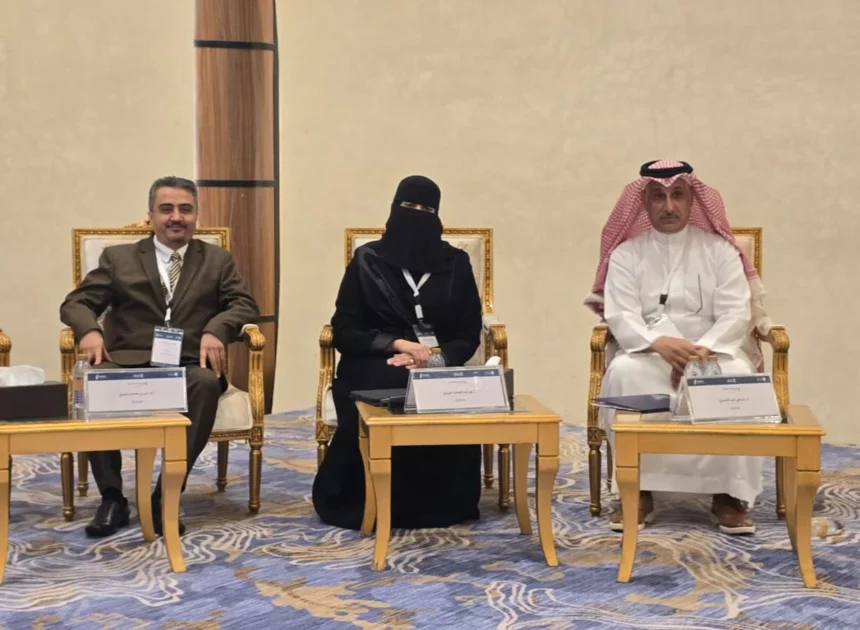
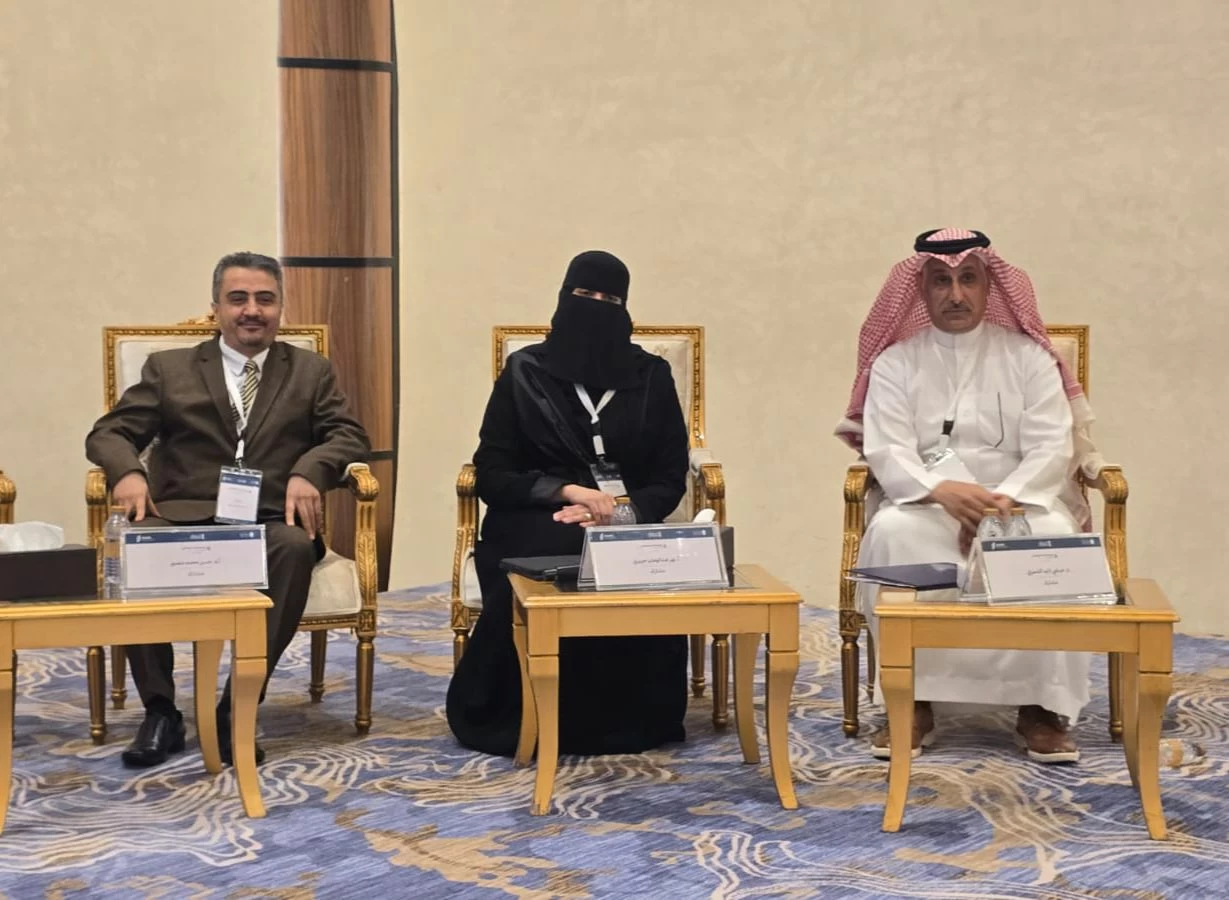
شدد أكاديميون في مجال الإعلام على أهمية الاستخدام المنضبط لتطبيقات الذكاء الاصطناعي بما يتعلق بالدور الأكاديمي في القطاع، مؤكدين ضرورة التعامل الملائم مع الذكاء الاصطناعي في الخطط الدراسيّة في كليات وأقسام الإعلام.
وأكد البروفيسور حسن منصور أستاذ الإعلام الرقمي في جامعة الملك سعود، وجود احتياج كبير لفهم ومعرفة كيف يمكن تطوير الخطط الدراسية لكليات وأقسام الإعلام في الجامعات السعودية، بما يواكب التقنيات الخاصة بالذكاء الاصطناعي والوعي به.
وأضاف أن الذكاء الاصطناعي اليوم لم يعد حكرًا على المتخصصين في علوم الحاسوب فقط، وإنما أصبح في كل مجالات الحياة، وأنه على المعنيين بقطاع الإعلام السعي للاستثمار الحكيم في الذكاء الاصطناعي، بما يسهم في تطوير القطاع.
وقال: بصفتنا أكاديميين في مجال الإعلام، فنحن معنيون كثيرا بإيلاء اهتمام كبير بالتطورات في قطاع الذكاء الاصطناعي، لذا أرى أن من الأهمية بمكان دراسة آليات إدماج وإدراج مهارة الذكاء الاصطناعي، سواء في الخطط الدراسية التعليمية أو في ممارسات وأساليب التعليم لأعضاء هيئات التدريس في الإعلام.
وأشار إلى وجود فجوة واضحة بما يتعلق بتحقيق الأهداف التعليمية للدراسة بالذكاء الاصطناعي، مشيراً إلى أن مسارات التعامل مع الذكاء الاصطناعي في الخطط الدراسية الحالية في أقسام الإعلام «ما زالت إما غير متحققة أو محدودة».
وأكد البروفيسور أنه خلص -من خلال دراسة نوعية- إلى أهمية استثمار الأقسام الإعلامية بالجامعات في الذكاء الاصطناعي «سواء عبر مسار عاجل يكمن في تحديث توصيفات المقررات الحالية، أو مسار طويل المدى، عبر إجراء تغييرات هيكلية دون الحاجة لتحويل خريج الإعلام إلى مبرمج، بل لإعداده خريجًا واعيًا قادرًا على استخدام الذكاء الاصطناعي وتقييم آثاره وأخلاقياته في العمل الإعلامي».
من جهته، دعا نائب المشرف على كرسي الدكتور إبراهيم المهنا لإعلام الطاقة والإعلام المتخصص الدكتور حبشي الشمري في حديثه إلى «عكاظ»، الجامعات، إلى اعتماد تطبيقات محددة في الذكاء الاصطناعي بدلاً من ترك الأمر مفتوحًا، وتنظيم دورات تدريبية للأساتذة، لتعريفهم بالاستخدام الأمثل، وتحديث القواعد الأخلاقية للجامعات، لمواكبة عصر الذكاء الاصطناعي.
وأشار حبشي إلى أن دراسة حديثة أجراها على 84 عضو هيئة تدريس في 5 جامعات سعودية، خلصت إحدى نتائجها إلى أن 8 من كل 10 محاضرين «يثقون بقيمة دورهم الشخصي في العملية التعليمية، ويرون أن التقنية تبقى مجرد أداة مساعدة».
وقال: إن الغالبية العظمى من الأكاديميين الإعلاميين يرون في هذه التقنيات أداة مفيدة، لكنهم في المقابل يرفضون تمامًا فكرة أن تحل محلهم مستقبلاً.
وأوضح حبشي أن مجمل أعضاء هيئة التدريس المشاركين في الدراسة أشاروا إلى أن أكبر فائدة يحصلون عليها من هذه التطبيقات؛ هي تطوير عملية التدريس والدعم خارج المحاضرة، يليها تمكينهم من إنجاز مهماتهم بشكل أسرع واستثمار وقتهم بشكل أفضل، ثم تطوير مهارات الطلاب.
لكنه استدرك إلى القول: «على الرغم من هذه الفوائد؛ إلّا أن أعضاء هيئة التدريس لديهم مخاوف حقيقية، أبرزها: الجوانب الأخلاقية والقانونية، ثم احتمال وقوع الطلاب في الانتحال العلمي»، متابعًا أن «هذه المخاوف وصلت إلى أعلى الدرجات في الاستبيان، مما يعني أن الأكاديميين يتعاملون مع هذه التقنيات بحذر ووعي، وليس بحماس مطلق».
وبيّنت الدراسة أن الأكاديميين الإعلاميين الذين يستخدمون هذه التطبيقات بشكل أكبر هم الأكثر اقتناعًا بفوائدها، والأكثر تفاؤلًا بدورها في تحسين التعليم. وأكدت باحثة الدكتوراه في قسم الإعلام بجامعة الملك سعود نهر حريري، أهمية تفعيل البرامج الأكاديمية المعززة بالذكاء الاصطناعي في الجامعات السعودية، موضحة أن هذا التوجه لا يقتصر على كونه تحديثًا تقنيًا، بل يمثل تحولًا بنيويًا عميقًا في فلسفة تعليم الإعلام وبنيته المؤسسية، بما يستدعي إعادة النظر في المناهج وأساليب التدريس ومخرجات التعلم، بما يتواكب مع التحولات الرقمية المتسارعة.
وبيّنت «حريري» أن الذكاء الاصطناعي أصبح عنصرًا محوريًّا في إعادة تشكيل المهارات الإعلامية والمناهج التعليمية، إلى جانب دوره في إعادة تعريف وظائف المؤسسات الأكاديمية، مؤكدة أن مستقبل الدراسات الإعلامية بات مرتبطًا بقدرة الجامعات على الانتقال من النماذج التقليديّة إلى نماذج تعليمية مرنة قائمة على الكفاءات، ومتصلة بشكل مباشر بمتطلبات سوق العمل الرقمي، مع اعتبار الذكاء الاصطناعي كفاءة تعليمية أساسية لا يمكن تجاوزها في بناء المخرجات التعليمية.
وأكدت «حريري» أن أهمية الدراسة تكمن في انتقالها من منطق التحسينات الجزئية إلى منطق التحول المؤسسي الشامل، مشددةً على أن تنظيم استخدام الذكاء الاصطناعي وتوجيهه أخلاقيًا أكثر فاعلية من منعه، لما يسهم به في تعزيز التفكير النقدي وتنمية الكفاءات التحليلية لدى الطلبة، مضيفةً أن مستقبل برامج الإعلام، في ظل رؤية المملكة 2030، يرتبط بمدى قدرة الجامعات على مواءمة مخرجاتها مع متطلبات الاقتصاد الرقمي وسوق العمل الإعلامي. وأشارت إلى أن «تحوّل الجامعة إلى مصمّم لخبرات تعليميّة رقميّة متكاملة يمثل شرطًا حاسمًا لمواكبة التحولات المستقبليّة»، محذّرة في الوقت ذاته من أن «الجمود المؤسسي قد يهدد القيمة المهنيّة لتخصص الإعلام، في مقابل ما يتيحه التكيف المنهجي من فرص لتعزيز تنافسية الخريجين في البيئة الإعلامية الرقمية».
Academics in the field of media emphasized the importance of disciplined use of artificial intelligence applications concerning the academic role in the sector, affirming the necessity of appropriate engagement with artificial intelligence in the curricula of media colleges and departments.
Professor Hassan Mansour, a professor of digital media at King Saud University, confirmed the significant need to understand and know how to develop the curricula for media colleges and departments in Saudi universities, in line with the technologies related to artificial intelligence and awareness of it.
He added that artificial intelligence today is no longer exclusive to specialists in computer science but has become prevalent in all areas of life, and that those involved in the media sector should strive to invest wisely in artificial intelligence, contributing to the development of the sector.
He stated: As academics in the field of media, we are very concerned about paying great attention to developments in the artificial intelligence sector, so I see it as crucial to study the mechanisms for integrating and incorporating artificial intelligence skills, whether in educational curricula or in the practices and teaching methods for faculty members in media.
He pointed out a clear gap regarding achieving the educational goals of studying artificial intelligence, noting that the pathways for dealing with artificial intelligence in the current curricula in media departments “are still either unachieved or limited.”
The professor confirmed that he concluded—through a qualitative study—the importance of media departments in universities investing in artificial intelligence “either through an urgent pathway that involves updating the descriptions of current courses, or a long-term pathway, through making structural changes without the need to turn media graduates into programmers, but rather to prepare them as aware graduates capable of using artificial intelligence and evaluating its impacts and ethics in media work.”
For his part, Dr. Habshi Al-Shammari, the deputy supervisor of the Ibrahim Al-Muhanna Chair for Energy Media and Specialized Media, called on universities, in his talk to “Okaz,” to adopt specific applications in artificial intelligence instead of leaving the matter open, and to organize training courses for professors to familiarize them with optimal use, and to update the ethical guidelines of universities to keep pace with the era of artificial intelligence.
Habshi noted that a recent study he conducted on 84 faculty members in 5 Saudi universities concluded that one of its results showed that 8 out of every 10 lecturers “trust in the value of their personal role in the educational process and see that technology remains just a supportive tool.”
He said that the vast majority of media academics view these technologies as useful tools, but they completely reject the idea that they will replace them in the future.
Habshi explained that the overall faculty members participating in the study indicated that the greatest benefit they gain from these applications is the development of the teaching process and support outside the lecture, followed by enabling them to complete their tasks more quickly and invest their time better, and then developing students’ skills.
However, he added: “Despite these benefits, faculty members have real concerns, the most prominent of which are: ethical and legal aspects, and the possibility of students falling into academic dishonesty,” noting that “these concerns reached the highest levels in the survey, which means that academics are dealing with these technologies with caution and awareness, not with absolute enthusiasm.”
The study showed that media academics who use these applications more are the most convinced of their benefits and the most optimistic about their role in improving education. PhD researcher in the media department at King Saud University, Nahr Hariri, emphasized the importance of activating AI-enhanced academic programs in Saudi universities, explaining that this trend is not limited to being a technological update but represents a profound structural transformation in the philosophy of media education and its institutional framework, necessitating a reconsideration of curricula, teaching methods, and learning outcomes, in line with the accelerating digital transformations.
Hariri indicated that artificial intelligence has become a central element in reshaping media skills and educational curricula, alongside its role in redefining the functions of academic institutions, affirming that the future of media studies is now linked to universities’ ability to transition from traditional models to flexible educational models based on competencies, directly connected to the requirements of the digital job market, considering artificial intelligence as a fundamental educational competency that cannot be overlooked in building educational outcomes.
Hariri emphasized that the importance of the study lies in its transition from the logic of partial improvements to the logic of comprehensive institutional transformation, stressing that organizing the use of artificial intelligence and directing it ethically is more effective than prohibiting it, as it contributes to enhancing critical thinking and developing analytical competencies among students, adding that the future of media programs, under the Kingdom’s Vision 2030, is linked to the extent to which universities can align their outputs with the requirements of the digital economy and the media job market. She pointed out that “the university’s transformation into a designer of integrated digital learning experiences is a crucial condition for keeping pace with future transformations,” warning at the same time that “institutional stagnation may threaten the professional value of the media specialization, compared to the opportunities that systematic adaptation provides to enhance graduates’ competitiveness in the digital media environment.”