أعلن سفير إيران لدى باكستان، رضا أميري، أن محادثات إسلام آباد أرست الأساس لمسارٍ دبلوماسي يمكن، إذا تعزّزت الثقة وتوفّرت الإرادة، تفضي إلى إطارٍ مستدام يراعي مصالح جميع الأطراف.
بدوره، قال رئيس البرلمان الإيراني محمد باقر قاليباف، الذي قاد وفد بلاده المفاوض في إسلام آباد إن طهران قدمت مبادرات جيدة للغاية لإظهار حسن النوايا، ما أدى إلى إحراز تقدم في المحادثات.
ونقلت وسائل إعلام إيرانية عن قاليباف، قوله إن «تهديدات الرئيس الأمريكي دونالد ترمب الأخيرة، لا تؤثر على الأمة الإيرانية»، مضيفاً: «إذا أرد ترمب القتال سنقاتل، وإذا تقدموا بالمنطق سنتعامل بالمنطق».
من جهة أخرى، نقلت صحيفة «فايننشال تايمز» عن مصادر مطلعة أن بريطانيا لن تشارك في فرض حصار على مضيق هرمز.
وقال متحدث باسم الحكومة البريطانية: يجب عدم فرض رسوم لعبور مضيق هرمز، مضيفاً: نعمل مع فرنسا وشركاء آخرين لتشكيل تحالف لحماية حرية الملاحة.
بالمقابل، هددت وزارة العدل الأمريكية بملاحقة كل من يشتري أو يبيع النفط الإيراني الخاضع للعقوبات.
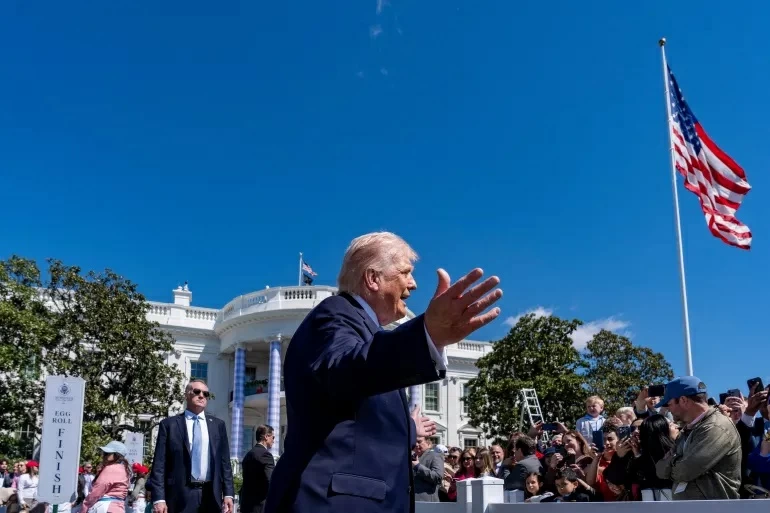
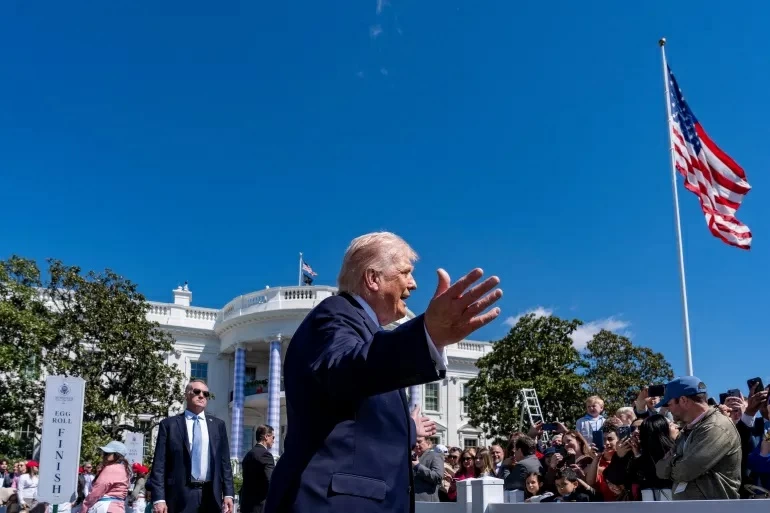
وكان الرئيس الأمريكي دونالد ترمب قد أعلن في وقت سابق فرض حصار بحري في مضيق هرمز، وملاحقة السفن التي تدفع رسوماً لطهران، موضحاً أن هذا الحصار «يبدأ فوراً».
وشدد بالقول: سنصل في مرحلة ما إلى وضع يُسمح فيه للجميع بالدخول والخروج من المضيق.
The Iranian ambassador to Pakistan, Reza Amiri, announced that the Islamabad talks laid the foundation for a diplomatic path that could lead to a sustainable framework that considers the interests of all parties, if trust is strengthened and the will is present.
For his part, the Iranian parliament speaker Mohammad Baqer Qalibaf, who led his country’s negotiating delegation in Islamabad, stated that Tehran had presented very good initiatives to demonstrate goodwill, which led to progress in the talks.
Iranian media quoted Qalibaf as saying that “the recent threats from U.S. President Donald Trump do not affect the Iranian nation,” adding: “If Trump wants to fight, we will fight, and if they come with logic, we will respond with logic.”
On the other hand, the Financial Times reported from informed sources that Britain will not participate in imposing a blockade on the Strait of Hormuz.
A spokesperson for the British government stated: “There should be no tolls for crossing the Strait of Hormuz,” adding: “We are working with France and other partners to form a coalition to protect freedom of navigation.”
In contrast, the U.S. Department of Justice threatened to prosecute anyone who buys or sells Iranian oil subject to sanctions.
Earlier, U.S. President Donald Trump announced the imposition of a maritime blockade in the Strait of Hormuz and the pursuit of ships that pay fees to Tehran, clarifying that this blockade “starts immediately.”
He emphasized by saying: “At some point, we will reach a situation where everyone is allowed to enter and exit the strait.”