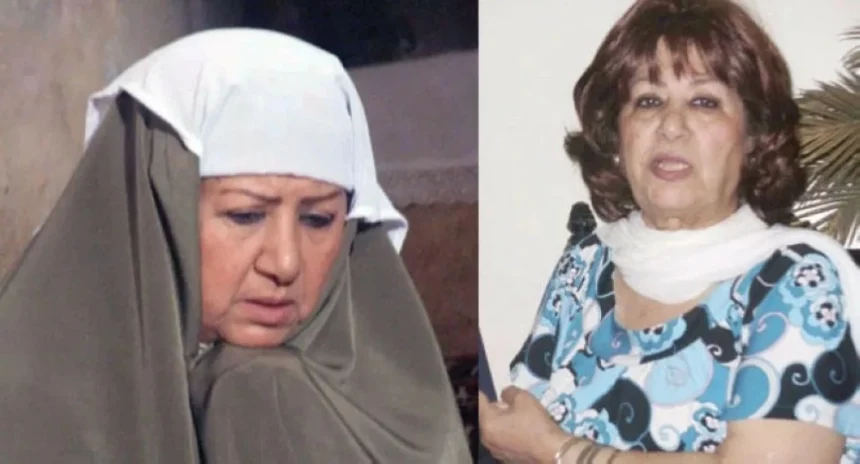
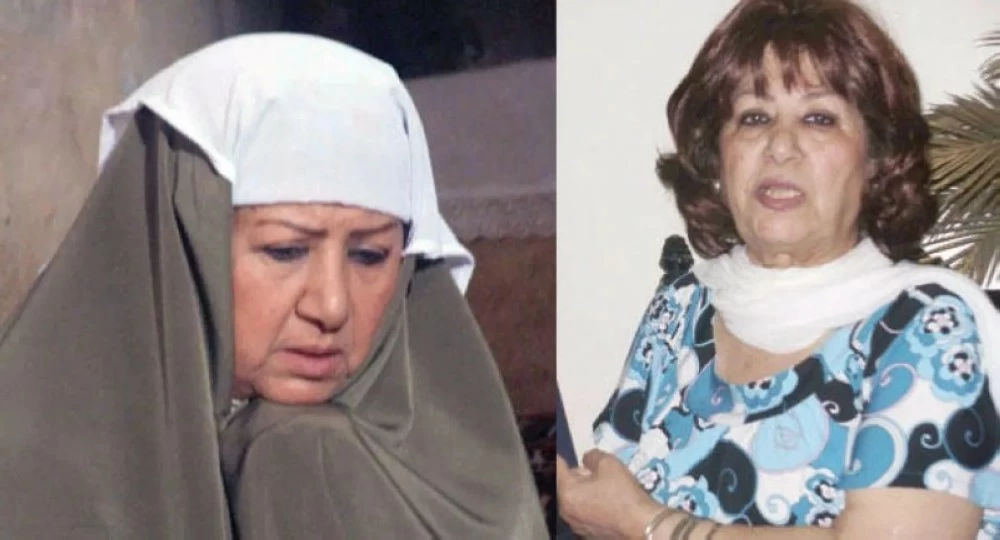
رحيل مرّ ووداع صادم، هدى شعراوي تموت لا كما يليق بتاريخها الطويل، ولا كما اعتاد جمهورها أن يودّع نجومه، حيث وجدت في صباح ثقيل على دمشق، جسداً مسجّى داخل منزلها، مدينة كاملة توقفت عند الخبر، ووسط فني أصيب بالذهول. امرأة عاشت بين الأضواء والكاميرات انتهت وحيدة، في مشهد قاسٍ يناقض كل ما منحته للفن والناس. التحقيقات فتحت أبواب الأسئلة، والصدمة تمددت من حي باب السريجة إلى كل بيت عرف «أم زكي» وضحك معها وبكى أمام شاشته. هكذا أُغلقت الستارة الأخيرة على حياة امتدت أكثر من 7 عقود، لكن بطريقة لم يتوقعها أحد.
طفلة كسرت العرف وانطلقت
قبل هذه النهاية الموجعة بسنوات طويلة، وُلدت هدى شعراوي عام 1938 في حي الشاغور الدمشقي، في بيئة محافظة لم تكن ترى الفن طريقًا آمنًا للفتيات. لكنها اختارت طريقها مبكرًا. في سن التاسعة دخلت إذاعة دمشق، ليس كهاوية، بل كصوت يعرف ماذا يريد. واجهت رفضًا عائليًا وضغوطًا اجتماعية وصلت حد المنع القسري، لكنها لم تنكسر. لجأت إلى القنوات الرسمية وقدّمت طلبًا للظهور التلفزيوني، في خطوة جريئة آنذاك، فتحت لها أبواب الشاشة، وغيّرت مسار حياتها.
من الميكروفون إلى الكاميرا، ومن الاستوديوهات الصغيرة إلى البيوت العربية، بنت مسيرة استثنائية امتدت 72 عامًا من العمل المتواصل، حافظت خلالها على حضورها رغم تغيّر الأجيال وتحوّل شكل الدراما. لم تكن مجرد ممثلة، بل شاهدة على تحولات الفن السوري من الأبيض والأسود إلى زمن المنصات الرقمية.
ممثلة تشبه الناس
قدّمت هدى شعراوي أكثر من 50 عملًا تلفزيونيًا، إضافة إلى مشاركات سينمائية ومسرحية، وتميّزت بأدوار المرأة الشعبية القريبة من الناس: الأم، الجارة، سيدة الحارة، والوجه الدمشقي الذي يحمل ملامح البيوت القديمة. شاركت في أعمال تركت أثرًا واضحًا مثل «نساء بلا أجنحة»، «الهجرة إلى الوطن»، «لك يا شام»، «أيام شامية»، و*«عيلة خمس نجوم»* بشخصية «أم تيسير».
لكن ذروة حضورها الجماهيري جاءت مع شخصية «أم زكي» في مسلسل «باب الحارة». لم يكن الدور بطولة مطلقة، لكنه تحوّل إلى أيقونة شعبية، لأن هدى لم تمثّل الشخصية فقط، بل عاشت تفاصيلها، وأعطتها روحًا جعلتها جزءًا من الذاكرة اليومية للمشاهد العربي. كانت «أم زكي» مرآة للمرأة الدمشقية البسيطة، الساخرة أحيانًا، الصلبة أحيانًا أخرى، والإنسانية دائمًا.
كان دور «أم زكي» الذي قدّمته الفنانة الراحلة هدى شعراوي أكثر من مجرد شخصية درامية عابرة في مسلسل باب الحارة؛ لقد تحوّل إلى علامة ثقافية شعبية استقرّت في الذاكرة الجمعية العربية، ورافقت الجمهور لسنوات طويلة حتى باتت جزءًا من صورة الدراما الشامية نفسها. بهذا الدور، خرجت هدى شعراوي من إطار الممثلة المخضرمة إلى مساحة الأيقونة الجماهيرية، حيث تشكّلت لها هوية جديدة تجاوزت حدود النص والسيناريو إلى حضور يومي في الوعي الشعبي.
«أم زكي» لم تكن امرأة عادية على الشاشة، بل نموذجًا مكثفًا للمرأة الدمشقية الشعبية، بخفّة ظلها، وصرامتها حين يلزم، وذكائها الفطري في إدارة تفاصيل الحارة. الأداء الذي قدّمته شعراوي منح الشخصية حياة مستقلة؛ صارت تُستعاد في الذاكرة كما لو أنها شخصية حقيقية عاشت بين الناس، لا مجرد دور تمثيلي. ومع تكرار المواسم، ترسّخ حضور «أم زكي» حتى بات اسم هدى شعراوي مقترنًا بها في الوجدان العام، في ظاهرة نادرة لا يحققها إلا الدور الذي يلامس وجدان الجمهور بصدق.
رحلت هدى شعراوي بطريقة موجعة، لكن حضورها لم يغادر. بقيت في أرشيف الدراما، وفي أصوات المشاهدين وهم يعيدون مقاطعها، وفي ذاكرة جيل كامل تربّى على صورتها. النهاية كانت مأساوية، نعم، لكنها لا تختصر الحكاية. الحكاية الحقيقية تبدأ من طفلة تحدّت الخوف، وتمر بامرأة صنعت اسمها بجهد وصبر، وتنتهي بأسطورة شعبية اسمها «أم زكي»… لا تموت، حتى لو أُغلقت الأبواب.
A painful departure and a shocking farewell, Huda Sha’arawi dies not as befits her long history, nor as her audience is accustomed to bidding farewell to their stars. On a heavy morning in Damascus, she was found lifeless in her home, and the entire city paused at the news, while the artistic community was struck with disbelief. A woman who lived among lights and cameras ended up alone, in a harsh scene that contradicts everything she gave to art and people. Investigations opened the door to questions, and the shock spread from the Bab al-Sarija neighborhood to every home that knew “Umm Zaki” and laughed with her or cried in front of their screens. Thus, the final curtain fell on a life that spanned more than seven decades, but in a way no one expected.
A girl who broke the norm and took flight
Long before this painful ending, Huda Sha’arawi was born in 1938 in the Al-Shaghour neighborhood of Damascus, in a conservative environment that did not see art as a safe path for girls. But she chose her way early on. At the age of nine, she entered the Damascus Radio, not as an amateur, but as a voice that knew what it wanted. She faced family rejection and social pressures that reached the point of forced prohibition, but she did not break. She resorted to official channels and submitted a request for television appearance, a bold step at the time, which opened the doors of the screen for her and changed the course of her life.
From the microphone to the camera, and from small studios to Arab homes, she built an exceptional career that spanned 72 years of continuous work, during which she maintained her presence despite changing generations and the transformation of drama. She was not just an actress, but a witness to the transformations of Syrian art from black and white to the era of digital platforms.
An actress who resembles the people
Huda Sha’arawi presented more than 50 television works, in addition to cinematic and theatrical appearances, and she distinguished herself with roles of the popular woman close to the people: the mother, the neighbor, the lady of the neighborhood, and the Damascene face that carries the features of old homes. She participated in works that left a clear impact such as “Women Without Wings,” “Immigration to the Homeland,” “For You, O Sham,” “Sham Days,” and *”Aila Khams Nujum”* as “Umm Taysir.”
However, the peak of her public presence came with the character “Umm Zaki” in the series “Bab al-Hara.” The role was not an absolute lead, but it turned into a popular icon, because Huda did not just portray the character; she lived its details and gave it a spirit that made it part of the daily memory of the Arab viewer. “Umm Zaki” was a mirror of the simple Damascene woman, sometimes sarcastic, sometimes tough, and always humane.
The role of “Umm Zaki” that the late artist Huda Sha’arawi presented was more than just a passing dramatic character in the series “Bab al-Hara”; it became a popular cultural symbol that settled in the collective Arab memory, accompanying the audience for many years until it became part of the image of Sham drama itself. With this role, Huda Sha’arawi moved from the frame of a seasoned actress to the space of a popular icon, where a new identity was formed for her that transcended the boundaries of the text and script to a daily presence in popular consciousness.
“Umm Zaki” was not an ordinary woman on screen, but an intensified model of the popular Damascene woman, with her light-heartedness, her sternness when necessary, and her innate intelligence in managing the details of the neighborhood. The performance that Sha’arawi delivered gave the character an independent life; she became recalled in memory as if she were a real person who lived among the people, not just a role. With the repetition of seasons, the presence of “Umm Zaki” solidified until Huda Sha’arawi’s name became associated with her in the public consciousness, in a rare phenomenon that can only be achieved by a role that genuinely touches the audience’s emotions.
Huda Sha’arawi departed in a painful manner, but her presence did not leave. She remained in the archives of drama, in the voices of viewers as they replay her clips, and in the memory of an entire generation that grew up on her image. The ending was tragic, yes, but it does not encapsulate the story. The real story begins with a girl who challenged fear, passes through a woman who made her name through effort and patience, and ends with a popular legend named “Umm Zaki”… she does not die, even if the doors are closed.