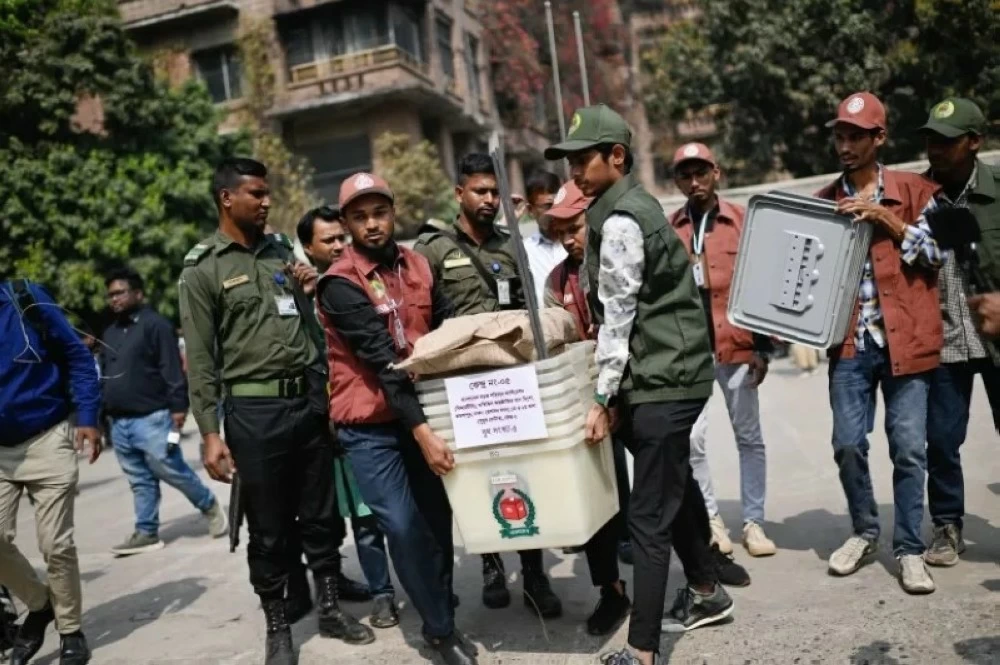
يتوجه الناخبون في بنغلاديش إلى مراكز الاقتراع، غداً (الخميس)، للتصويت في أول انتخابات عامة تشهدها البلاد منذ الانتفاضة الطلابية عام 2024، التي أطاحت برئيسة الوزراء السابقة الشيخة حسينة واجد، وأجبرتها على العيش في منفاها الاختياري بالهند، ويقاطع حزبها المحظور الانتخابات، بينما تتنافس فيها أحزاب وتحالفات جديدة.
الحزب الأوفر حظاً
وتشهد انتخابات البرلمان الجديد مشاركة أكثر من 127 مليون ناخب له حق التصويت بينهم نحو 5 ملايين ناخب يدلون بأصواتهم للمرة الأولى في بلد يبلغ عدد سكانه نحو 170 مليون نسمة.
ويتنافس 1981مرشحا في أنحاء البلاد على مقاعد البرلمان الوطني وعددها 350 مقعدا يُنتخَب 300 منهم مباشرة من دوائر فردية، وتخصّص المقاعد الـ50 الباقية للنساء، وتجرى الانتخابات وفق نظام الأغلبية البسيطة وتبلغ مدة البرلمان 5 سنوات.
ومع حظر «رابطة عوامي»، برز «الحزب الوطني البنغالي» الذي يتزعمه طارق رحمان، نجل رئيسة وزراء بنغلاديش الراحلة خالدة ضياء، فأصبح أوفر الأحزاب حظًّا.
وعاد رحمان إلى بنغلاديش في ديسمبر الماضي بعد 17 عاما من منفى اختياري، متعهدا بإعادة بناء المؤسسات الديمقراطية، واستعادة سيادة القانون، وإنعاش الاقتصاد.
تحالف واسع من 11 حزباً
وينافس الحزبَ الوطني البنغالي تحالفٌ واسع من 11 حزبا تقوده «الجماعة الإسلامية البنغالية» التي تسعى إلى توسيع نفوذها في السياسة الوطنية.
وكانت الجماعة الإسلامية محظورة في عهد حسينة، لكنها حققت مكاسب منذ الإطاحة بها. ويضم التحالف أيضا «حزب المواطن الوطني» المشكّل حديثا، الذي أسسه قادة انتفاضة 2024.
وتتضمن هذه الجولة الانتخابية تغييرا إجرائيا مهما، إذ سيتمكن المواطنون البنغاليون المقيمون في الخارج من المشاركة لأول مرة عبر نظام التصويت البريدي، في خطوة تهدف إلى توسيع المشاركة الانتخابية لتشمل الجالية الكبيرة في المهجر.
وتتضمن استفتاء على إصلاحات سياسية تشمل تحديد عدد ولايات رئيس الوزراء، وتعزيز ضوابط السلطة التنفيذية، وضمانات أخرى تمنع تركّز السلطة في البرلمان.
انتخابات تحت الرقابة الخارجية
ومن المنتظر أن تحدد ما إذا كانت العملية الانتخابية ستُفضي إلى إصلاح مؤسسي حقيقي أم ستواصل دعم الهياكل القائمة شكل الاستقرار الداخلي في بنغلاديش، التي شهدت فترات من الحكم العسكري منذ استقلالها عن باكستان عام 1971.
وتشرف على عملية الانتخابات إدارةٌ مؤقتة يقودها الحائز على جائزة نوبل للسلام محمد يونس، وقد تعهّدت بإجراء انتخابات حرّة ونزيهة وسلمية.
وللمساعدة في ضمان ذلك، سيشارك نحو 500 مراقب أجنبي، من بينهم مراقبون من الاتحاد الأوروبي ومجموعة الكومنولث التي تنتمي إليها بنغلاديش.
Voters in Bangladesh will head to polling stations tomorrow (Thursday) to vote in the first general elections the country has seen since the student uprising in 2024, which ousted former Prime Minister Sheikh Hasina Wazed and forced her to live in voluntary exile in India. Her banned party is boycotting the elections, while new parties and alliances are competing.
The Most Fortunate Party
The new parliamentary elections will see the participation of over 127 million eligible voters, including about 5 million voters casting their ballots for the first time in a country with a population of around 170 million.
There are 1981 candidates competing nationwide for the 350 seats in the national parliament, of which 300 are elected directly from individual constituencies, while the remaining 50 seats are reserved for women. The elections are held under a simple majority system, and the parliament’s term is 5 years.
With the ban on the “Awami League,” the “Bangladeshi National Party,” led by Tarique Rahman, the son of the late Prime Minister Khaleda Zia, has emerged as the most fortunate party.
Rahman returned to Bangladesh last December after 17 years of voluntary exile, pledging to rebuild democratic institutions, restore the rule of law, and revive the economy.
A Broad Alliance of 11 Parties
The Bangladeshi National Party is competing against a broad alliance of 11 parties led by the “Bangladeshi Islamic Movement,” which seeks to expand its influence in national politics.
The Islamic Movement was banned during Hasina’s tenure but has gained ground since her ousting. The alliance also includes the newly formed “National Citizen Party,” established by leaders of the 2024 uprising.
This electoral round includes an important procedural change, as Bangladeshi citizens residing abroad will be able to participate for the first time through a mail-in voting system, in a move aimed at expanding electoral participation to include the large diaspora community.
The elections will also include a referendum on political reforms that involve limiting the number of terms for the Prime Minister, enhancing checks on the executive power, and other guarantees to prevent the concentration of power in parliament.
Election Under External Oversight
It remains to be seen whether the electoral process will lead to genuine institutional reform or continue to support the existing structures that shape internal stability in Bangladesh, which has experienced periods of military rule since its independence from Pakistan in 1971.
The elections are overseen by a caretaker administration led by Nobel Peace Prize laureate Muhammad Yunus, which has pledged to conduct free, fair, and peaceful elections.
To help ensure this, around 500 foreign observers will participate, including observers from the European Union and the Commonwealth group to which Bangladesh belongs.