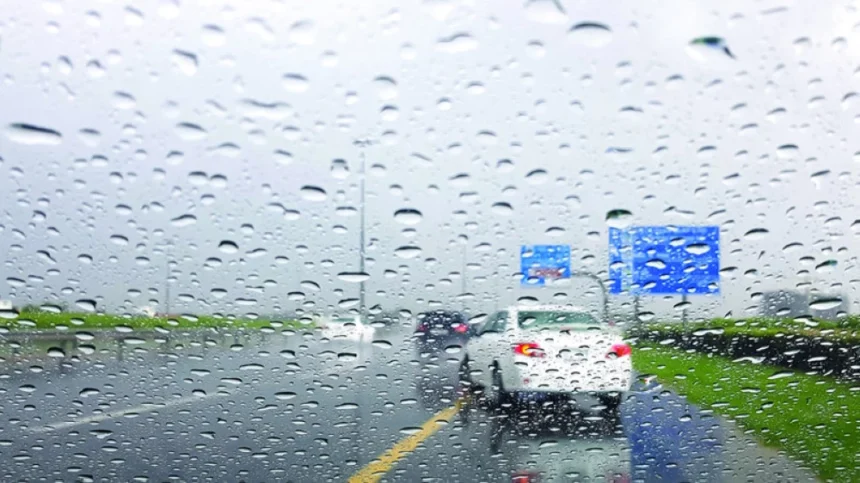
كشف خبير الطقس والمناخ عبدالعزيز الحصيني أن الأجواء التي تشهدها السعودية هذه الأيام تُعرف مناخيًا باسم «المراويح»، تتميز بتشكّل سحب رعدية تتطور أحيانًا لتصبح سحبًا ركامية عملاقة، وتشتهر بخصائص جوية قوية، تتمثل في غزارة الأمطار، وتساقط البرد، مع شدة الرياح المرافقة لها، مؤكدًا أنها عادة ما تُخلف سيولًا جارية قد تقطع في مسارها مسافات طويلة.
وأوضح الحصيني أن هذه الحالة الجوية قد تتحول إلى ما يُعرف بـ«سحاب السرايات»، الذي يمتاز بقدرته على الاستمرار وقطع مئات الكيلومترات، ومن ذلك السحابة القوية التي أثّرت على منطقة الطوقي شمالي الرياض مساء السبت، وما صاحبها من نشاط لافت في السحب.
من جانبه سلط أستاذ المناخ سابقًا بجامعة القصيم الدكتور عبدالله المسند الضوء على الفروق الجوهرية بين الأمطار الغزيرة والأمطار الكثيفة، موضحًا طبيعة كل منهما وتأثيرهما المتباين على المدن والبنية التحتية، وبيَّن أن الأمطار الغزيرة تتمثل في هطول كميات كبيرة من المياه، لكنها تتوزع على فترة زمنية طويلة نسبيًا تصل إلى 6 ساعات أو أكثر، وتتسم بالانتظام والاستمرارية، مضيفًا أن هذا النوع من الأمطار ينتج غالبًا عن سحب طبقية واسعة تصاحب المنخفضات الجوية الحركية، لافتًا إلى أن خطورتها تكمن في التراكم الذي قد يؤدي إلى فيضان الأودية الكبيرة أو تشبع التربة بالكامل.
وحول الأمطار الكثيفة، أشار المسند إلى أنها تتساقط فيها كميات ضخمة من المياه في وقت قصير يتراوح من دقائق إلى ساعة، وتتميز بكِبر حجم قطرات المطر وسرعة الهطول، وتنتج عادة عن سحب المزن الركامي العملاقة، وتُعَدّ المسؤول المباشر عن حدوث ما يُعرف بالسيول الجارفة التي قد تداهم المواقع دون إنذار كافٍ.
وعن درجة الخطورة والتأثير، قال إن الأمطار الكثيفة تُعَدّ الأخطر على المدن والبنية التحتية؛ لأنها تباغت أنظمة التصريف بكميات تفوق طاقتها الاستيعابية في وقت وجيز، ما يتسبب في غرق الشوارع والأنفاق بشكل مفاجئ. في المقابل، خطر الأمطار الغزيرة غالبًا ما يكون تدريجيًا؛ ما يتيح لشبكات التصريف المهيأة فرصة أكبر لاستيعابها وتصريفها تباعًا، دون أن تنجم عنها مفاجآت كارثية في الغالب.
Weather and climate expert Abdulaziz Al-Hussaini revealed that the weather currently being experienced in Saudi Arabia is climatically known as “Al-Marawih.” It is characterized by the formation of thunderstorm clouds that sometimes develop into giant cumulonimbus clouds, and it is famous for its strong atmospheric features, which include heavy rainfall, hail, and intense accompanying winds, confirming that it usually results in flowing floods that can cover long distances in their path.
Al-Hussaini explained that this weather condition can transform into what is known as “Sahab Al-Sarayat,” which is distinguished by its ability to persist and travel hundreds of kilometers. This includes the powerful cloud that affected the Al-Tuqai area north of Riyadh on Saturday evening, along with noticeable activity in the clouds.
For his part, former climate professor at Qassim University Dr. Abdullah Al-Masnad shed light on the fundamental differences between heavy rain and intense rain, explaining the nature of each and their varying impacts on cities and infrastructure. He indicated that heavy rain consists of large amounts of water falling, but it is distributed over a relatively long period, reaching 6 hours or more, and is characterized by regularity and continuity. He added that this type of rain often results from wide stratiform clouds accompanying dynamic low-pressure systems, noting that its danger lies in the accumulation that may lead to flooding of large valleys or complete saturation of the soil.
Regarding intense rain, Al-Masnad pointed out that it involves massive amounts of water falling in a short time ranging from minutes to an hour. It is characterized by the large size of raindrops and the speed of the downpour, typically resulting from giant cumulonimbus clouds, and is considered the direct cause of what is known as flash floods that may hit areas without sufficient warning.
On the degree of danger and impact, he stated that intense rain is considered more dangerous to cities and infrastructure because it surprises drainage systems with amounts exceeding their capacity in a short time, causing streets and tunnels to flood suddenly. In contrast, the danger of heavy rain is often gradual, allowing prepared drainage networks a greater opportunity to absorb and drain it subsequently, without usually resulting in catastrophic surprises.