استدعت وزارة الخارجية البريطانية، اليوم (الأربعاء)، السفير الإيراني لدى المملكة المتحدة، على خلفية ما وصفته بدور طهران في التطورات الأخيرة التي شهدتها منطقة الشرق الأوسط.
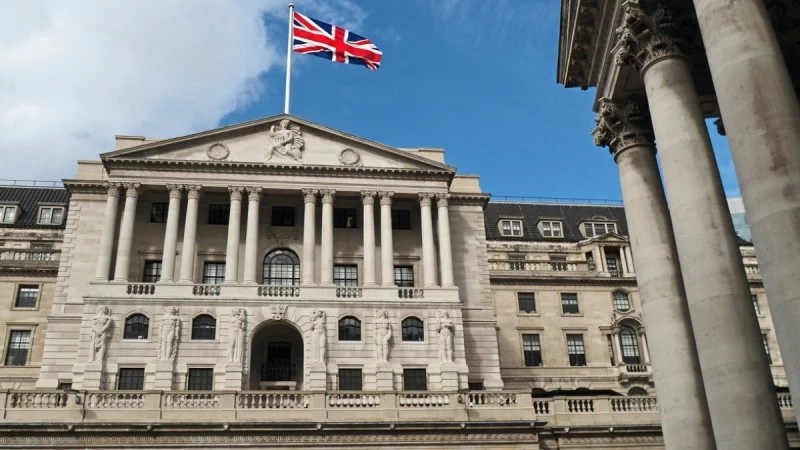
وقالت الخارجية البريطانية، في بيان، إن وزير شؤون الشرق الأوسط هاميش فالكونر استدعى السفير سيد علي موسوي إلى مقر وزارة الخارجية وشؤون الكومنولث والتنمية في لندن، موضحة أن الاستدعاء جاء «على خلفية دور إيران في الأحداث الأخيرة التي شهدتها منطقة الشرق الأوسط».
وأشارت إلى أن الخطوة تأتي بعد ما اعتبرته لندن «تصعيداً من جانب النظام الإيراني لمحاولاته جرّ المنطقة إلى صراع أوسع نطاقاً، من خلال مهاجمة دول لم تبادر إلى مهاجمته».
وأضافت الوزارة أن هذا التصعيد «يشكّل تهديداً واضحاً لأمن المنطقة ولمئات الآلاف من المواطنين البريطانيين المقيمين فيها»، مؤكدة أن «إيران يجب أن تُحاسب على أفعالها».
وشددت الحكومة البريطانية على أن «حماية الأمن القومي وسلامة المواطنين البريطانيين تبقى على رأس أولوياتها».
وسحبت بريطانيا، الأربعاء، مؤقتاً عدداً من موظفيها وعائلاتهم من سفارتها في البحرين كـ«إجراء احترازي»، وبحسب بيان الحكومة البريطانية، فإن سفارتها في البحرين تواصل عملها.
في الوقت ذاته، قال وزير الخارجية الهولندي توم بيريندسن، اليوم، إن هولندا استدعت السفير الإيراني على خلفية الهجمات الإيرانية على دول الخليج.
من جهة أخرى، قال وزير الخارجية الأمريكي ماركو روبيو، اليوم، إن الولايات المتحدة تمضي في طريقها بخطى ثابتة نحو تحقيق أهداف عمليتها العسكرية في إيران.
وكتب روبيو على حسابه في منصة «إكس» أن هذه الأهداف تتمثل في «تدمير منصاتهم لإطلاق الصواريخ، وتدمير مصانع صواريخهم، وتدمير بحريتهم، حتى لا يمكنهم أبدا الاختباء وراء هذه الوسائل لتطوير سلاح نووي».
جاء ذلك في الوقت الذي قال مساعد وزير الخارجية الأمريكي للشؤون العالمية ديلان جونسون إن أكثر من 17500 مواطن أمريكي عادوا إلى الولايات المتحدة قادمين من الشرق الأوسط منذ 28 فبراير، من بينهم ما يزيد على 8500 عادوا، أمس.
وكتب جونسون في منشور على حسابه في «إكس» أن عدداً أكبر من الأمريكيين غادروا الشرق الأوسط إلى دول أخرى في أوروبا وآسيا، فيما غادر آخرون المنطقة لكن ما زالوا في طريق عودتهم إلى الولايات المتحدة.
The British Foreign Office summoned the Iranian ambassador to the United Kingdom today (Wednesday), following what it described as Tehran’s role in the recent developments in the Middle East.
The British Foreign Office stated in a statement that Middle East Minister Hamish Balfour summoned Ambassador Seyed Ali Mousavi to the Foreign, Commonwealth & Development Office in London, explaining that the summons came “in light of Iran’s role in the recent events in the Middle East.”
It noted that this step comes after what London considered “an escalation by the Iranian regime in its attempts to drag the region into a wider conflict by attacking countries that have not initiated attacks against it.”
The ministry added that this escalation “poses a clear threat to the security of the region and to hundreds of thousands of British citizens residing there,” emphasizing that “Iran must be held accountable for its actions.”
The British government stressed that “protecting national security and the safety of British citizens remains a top priority.”
On Wednesday, Britain temporarily withdrew a number of its staff and their families from its embassy in Bahrain as a “precautionary measure,” and according to the British government statement, its embassy in Bahrain continues to operate.
At the same time, Dutch Foreign Minister Tom Berendsen stated today that the Netherlands summoned the Iranian ambassador in light of the Iranian attacks on Gulf countries.
On another note, U.S. Secretary of State Marco Rubio stated today that the United States is steadily moving towards achieving the objectives of its military operation in Iran.
Rubio wrote on his account on the platform “X” that these objectives include “destroying their missile launch platforms, destroying their missile factories, and destroying their navy, so they can never hide behind these means to develop a nuclear weapon.”
This comes at a time when U.S. Assistant Secretary of State for Global Affairs Dylan Johnson stated that more than 17,500 American citizens have returned to the United States from the Middle East since February 28, including over 8,500 who returned yesterday.
Johnson wrote in a post on his account on “X” that a larger number of Americans left the Middle East for other countries in Europe and Asia, while others left the region but are still on their way back to the United States.