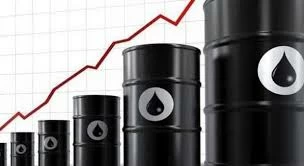
واصلت أسعار النفط ارتفاعها للجلسة الثالثة على التوالي اليوم، في ظل تصعيد الرئيس الأمريكي دونالد ترمب لتصريحاته ضد إيران، مهدداً باتخاذ إجراءات أكثر صرامة في حال لم تعاود طهران فتح مضيق هرمز، الذي يمثل ممراً إستراتيجياً رئيسياً لنقل النفط على مستوى العالم.
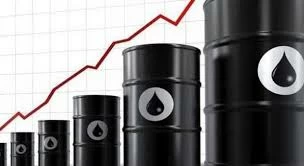
وارتفعت العقود الآجلة لخام برنت 0.97 دولار، أو 0.97%، إلى 110.8 دولار للبرميل، في حين ارتفعت العقود الآجلة لخام غرب تكساس الوسيط الأمريكي 1.47 دولار، أو 1.31%، إلى 113.9 دولار.
فتح هرمز
وهدد ترمب بإنزال جحيم على طهران إذا لم تمتثل لموعده النهائي المحدد في الساعة الثامنة مساء بتوقيت شرق الولايات المتحدة اليوم، لإعادة فتح المضيق.
وحذر ترمب قائلا إنه يمكن محو إيران، متعهداً باتخاذ مزيد من الإجراءات إذا لم يتم التوصل إلى اتفاق.
ورداً على اقتراح أمريكي عبر باكستان التي تضطلع بدور الوسيط، رفضت طهران وقف إطلاق النار وقالت إنه يتعين إنهاء الحرب بشكل دائم، ورفضت الضغوط الرامية إلى إعادة فتح المضيق.
وأغلقت القوات الإيرانية مضيق هرمز فعلياً بعد بدء الهجمات الأمريكية والإسرائيلية في 28 فبراير الماضي؛ ما أدى إلى تعطيل الممر المائي الذي يمر عبره عادة نحو 20% من تدفقات النفط العالمية.
Oil prices continued to rise for the third consecutive session today, amid U.S. President Donald Trump’s escalation of his statements against Iran, threatening to take stricter measures if Tehran does not reopen the Strait of Hormuz, which represents a key strategic passage for oil transport worldwide.
Brent crude futures rose by $0.97, or 0.97%, to $110.8 per barrel, while U.S. West Texas Intermediate crude futures increased by $1.47, or 1.31%, to $113.9.
Opening Hormuz
Trump threatened to unleash hell on Tehran if it does not comply with his deadline set for 8 PM Eastern Time today to reopen the strait.
He warned that Iran could be wiped out, pledging to take further actions if an agreement is not reached.
In response to a U.S. proposal through Pakistan, which is acting as a mediator, Tehran rejected a ceasefire and stated that the war must be ended permanently, dismissing the pressures to reopen the strait.
The Iranian forces effectively closed the Strait of Hormuz after the start of U.S. and Israeli attacks on February 28; disrupting the waterway through which about 20% of global oil flows typically pass.