

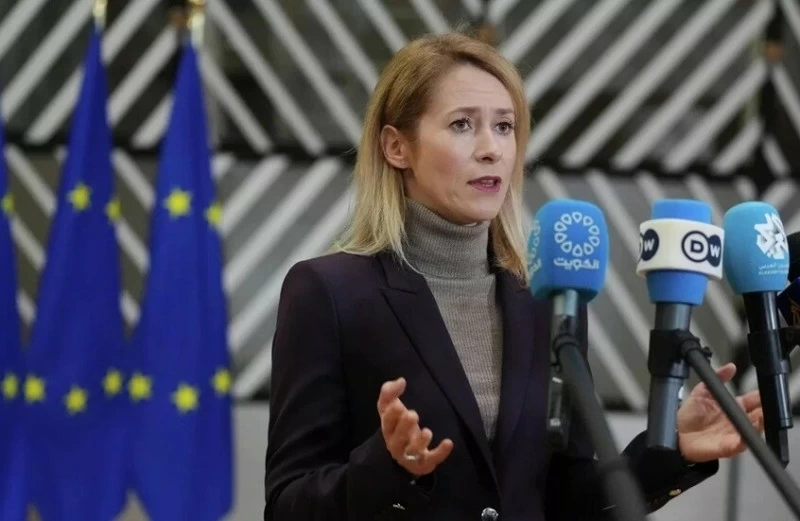
أعلنت رئيسة الدبلوماسية الأوروبية كايا كالاس، فشل الاتحاد الأوروبي في التوصل إلى توافق بشأن الحزمة العشرين من العقوبات ضد روسيا، مؤكدة أن العمل لا يزال مستمراً لتجاوز الخلافات.
وقالت كالاس في أعقاب اجتماع وزراء خارجية الاتحاد الأوروبي، اليوم (الإثنين): «للأسف، لم نتوصل إلى اتفاق بشأن الحزمة العشرين من العقوبات.. لكن العمل مستمر». ولفتت إلى أن المفوضية الأوروبية تعمل مع سلوفاكيا وهنغاريا لإيجاد حل لرفع الحظر.
من جانبه، كشف وزير الخارجية والعلاقات الاقتصادية الخارجية الهنغاري بيتر سيارتو، أن بلاده عرقلت الحزمة العشرين من العقوبات ضد روسيا، بالإضافة إلى قرض الاتحاد الأوروبي البالغ 90 مليار يورو لأوكرانيا، بسبب استمرار كييف في عرقلة مرور النفط الروسي إلى بلاده عبر خط أنابيب «دروجبا».
وجاءت تصريحات سيارتو عقب اجتماع مجلس وزراء خارجية الاتحاد، مؤكدا أن بلاده لن توافق على أي حزمة عقوبات جديدة أو مساعدات مالية لكييف ما لم تعالج أوكرانيا مشكلة عبور النفط.
وأضافت كالاس: نواصل العمل مع الزملاء من هنغاريا وسلوفاكيا على مستويات مختلفة للمضي قدما بهذه الحزمة، في إشارة إلى المساعي الأوروبية لإقناع بودابست وبراتيسلافا بالتراجع عن موقفهما المعرقل.
وكانت بودابست حذرت مسبقاً من أنها قد تستخدم حق النقض «الفيتو» ضد قرارات الاتحاد الأوروبي هذه بسبب تعليق أوكرانيا عبور النفط عبر خط أنابيب دروجبا.
وأعلنت الحكومة الهنغارية أنها لن تسمح بأي قرارات من الاتحاد الأوروبي تصب في مصلحة أوكرانيا حتى يُستأنف تدفق النفط الخام الروسي إلى مصافي التكرير الهنغارية.
The European Union’s chief diplomat, Kaia Kallas, announced the failure of the EU to reach a consensus on the twentieth package of sanctions against Russia, confirming that work is still ongoing to overcome the disagreements.
Kallas stated following the meeting of EU foreign ministers today (Monday): “Unfortunately, we did not reach an agreement on the twentieth package of sanctions… but work continues.” She noted that the European Commission is working with Slovakia and Hungary to find a solution to lift the ban.
For his part, Hungarian Foreign Minister and Minister of Foreign Economic Relations Péter Szijjártó revealed that his country has blocked the twentieth package of sanctions against Russia, in addition to the EU loan of 90 billion euros to Ukraine, due to Kyiv’s continued obstruction of the passage of Russian oil to Hungary via the Druzhba pipeline.
Szijjártó’s statements came after the meeting of the Council of EU Foreign Ministers, confirming that his country would not agree to any new sanctions package or financial aid to Kyiv unless Ukraine addresses the oil transit issue.
Kallas added: “We continue to work with our colleagues from Hungary and Slovakia at various levels to move forward with this package,” referring to European efforts to persuade Budapest and Bratislava to retract their obstructive stance.
Budapest had previously warned that it might use its veto power against these EU decisions due to Ukraine’s suspension of oil transit through the Druzhba pipeline.
The Hungarian government announced that it would not allow any EU decisions that benefit Ukraine until the flow of Russian crude oil to Hungarian refineries is resumed.