أتم الاتحاد البرازيلي لكرة القدم المرحلة الأولى من اختبارات تقنية التسلل شبه الآلي (SAOT) على ملعب ماراكانا، وذلك خلال مباراة الكلاسيكو بين فلومينينسي وبوتافوغو في 12 فبراير ضمن الجولة الثالثة من الدوري البرازيلي.
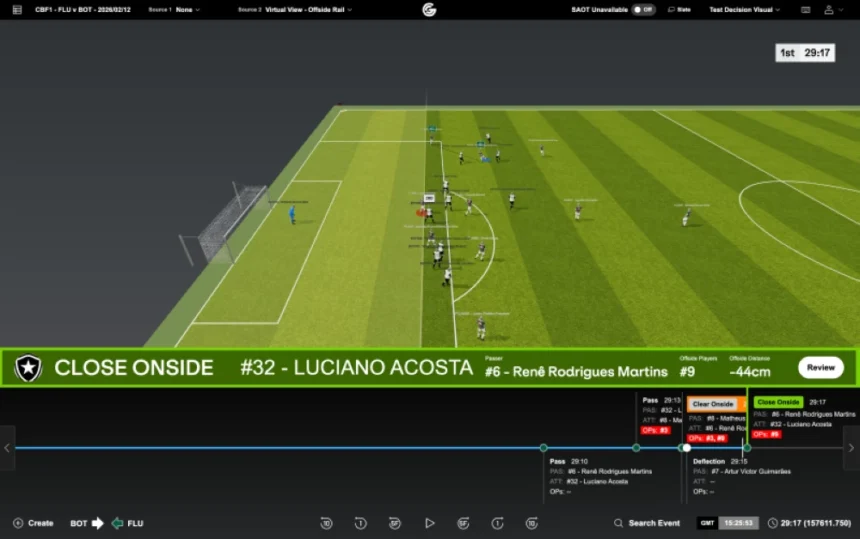
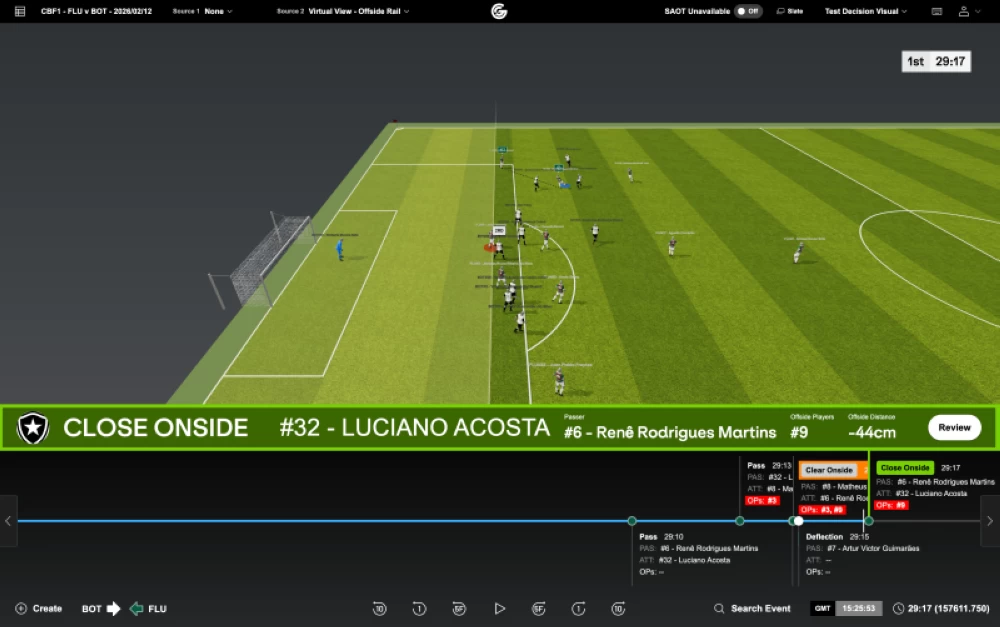
وأكدت نتائج الاختبارات دقة القرارات التحكيمية المتخذة في أرض الملعب، بعدما قامت التقنية بتحليل اللقطات المثيرة للجدل وتوليد صور رقمية (مُحاكاة) للاعبين بأسلوب يشبه شخصيات ألعاب الفيديو، مع إظهار مواقعهم بدقة عالية لحظة تمرير الكرة.
وشملت الأمثلة المعروضة لقطة هجومية لفلومينينسي بدا فيها اللاعب رينيه متقدماً بقدمه اليمنى على المدافع أليكس تيليس، الذي حدّد موقعه خط التسلل. وفي لقطة أخرى، ظهر لوسيانو أكوستا في موقف قانوني، مستفيداً من تمركز المدافع ألكسندر باربوزا الذي أبقاه داخل اللعبة. وفي كلتا الحالتين أظهرت التقنية تطابق قرارات الحكم رافائيل كلاين مع القراءة الرقمية للنظام.
وخلال المرحلة التجريبية، لم تكن الصور المولَّدة من النظام متاحة بعد لطاقم التحكيم أثناء المباراة، إذ تندرج هذه الخطوة ضمن إطار التحقق الفني قبل اعتماد التقنية رسمياً في المنافسات.
وأكد رئيس مجموعة عمل التحكيم في الاتحاد نيتو غويس أن النتائج الأولية جاءت إيجابية للغاية، معتبراً أن التقنية تمثل نقلة نوعية نحو تعزيز الشفافية داخل الملعب. وقال إن الهدف من استخدام التكنولوجيا هو دعم الحكم وتزويده بأدوات إضافية تساعده على اتخاذ القرار الأمثل، بما يرسخ الثقة لدى الجماهير والأندية عبر عرض قرارات واضحة ومدعومة بصور دقيقة.
ولا تقتصر فوائد النظام على تحسين دقة احتساب حالات التسلل، بل تمتد إلى تطوير البنية التحتية للملاعب، وجمع بيانات تفصيلية عن أداء اللاعبين سيتم تخزينها وإتاحتها للأندية لأغراض فنية وتحليلية. وأوضح غويس أن التكلفة الكاملة للمشروع يتحملها الاتحاد البرازيلي لكرة القدم ضمن العقد المبرم مع الشركة التقنية المنفذة.
ومن المقرر أن تتواصل عمليات تركيب النظام في 6 ملاعب أخرى تستضيف مباريات الدوري، من بينها: أرينا دو غريميو، أرينا إم آر في، أليانز باركي، ماياو، أرينا فونتي نوفا، وفيلا بيلميرو، على أن يخضع ملعب ماراكانا لجولة إضافية من الاختبارات في المرحلة القادمة.
وبهذه الخطوة، يمضي الاتحاد البرازيلي قدماً في مسار تحديث اللعبة، عبر إدماج أحدث الحلول التقنية لضمان عدالة المنافسة، ورفع مستوى الشفافية، وتعزيز الاحترافية في إدارة اللعبة.
The Brazilian Football Confederation has completed the first phase of the semi-automatic offside technology (SAOT) tests at the Maracanã Stadium during the classic match between Fluminense and Botafogo on February 12 as part of the third round of the Brazilian league.
The results of the tests confirmed the accuracy of the refereeing decisions made on the field, as the technology analyzed controversial footage and generated digital images (simulations) of the players in a style reminiscent of video game characters, accurately showing their positions at the moment the ball was passed.
The displayed examples included an attacking shot from Fluminense where player René appeared to be ahead of defender Alex Telles with his right foot, who was determined to be in an offside position. In another shot, Luciano Acosta was shown in a legal position, benefiting from the positioning of defender Alexander Barbosa who kept him in play. In both cases, the technology demonstrated that referee Rafael Klein’s decisions matched the system’s digital readings.
During the trial phase, the images generated by the system were not yet available to the refereeing crew during the match, as this step falls within the framework of technical verification before the technology is officially adopted in competitions.
Neto Guedes, head of the refereeing working group at the confederation, confirmed that the initial results were very positive, considering that the technology represents a qualitative leap towards enhancing transparency on the field. He stated that the goal of using technology is to support the referee and provide them with additional tools to help make the optimal decision, thereby reinforcing trust among fans and clubs through clear decisions backed by accurate images.
The benefits of the system are not limited to improving the accuracy of offside calls but also extend to developing the infrastructure of the stadiums and collecting detailed data on player performance that will be stored and made available to clubs for technical and analytical purposes. Guedes explained that the full cost of the project is borne by the Brazilian Football Confederation under the contract with the implementing technology company.
It is scheduled that the installation of the system will continue in six other stadiums hosting league matches, including: Arena do Grêmio, Arena MRV, Allianz Parque, Mayão, Arena Fonte Nova, and Vila Belmiro, with the Maracanã Stadium set to undergo an additional round of tests in the next phase.
With this step, the Brazilian Confederation is moving forward in its path to modernize the game by integrating the latest technological solutions to ensure fair competition, enhance transparency, and promote professionalism in the management of the game.