تكشف الدراسات العلمية والتجارب الواقعية أن الشيخوخة لا تعني التراجع الحتمي، بل يمكن أن تكون مرحلة ازدهار جديدة بشرط تبني عقلية إيجابية ونمط حياة نشط.
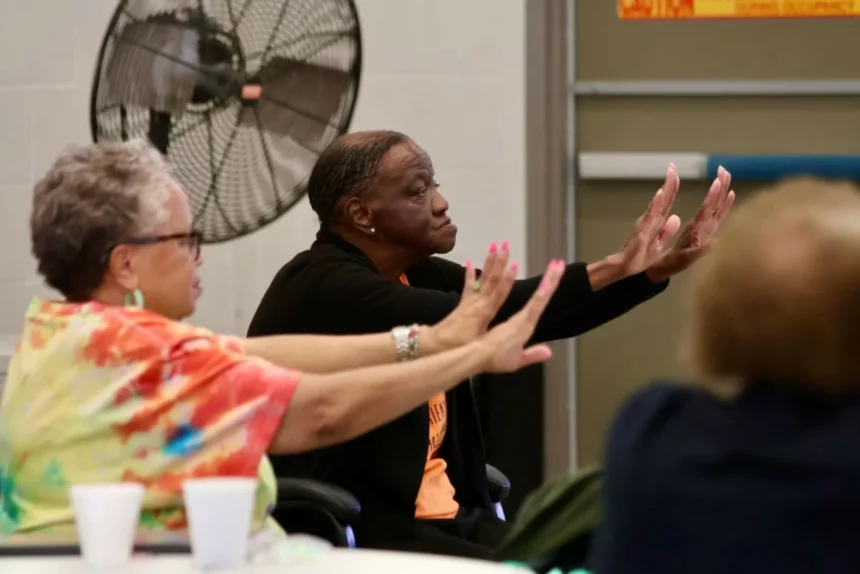
في تقرير لشبكة CNN، في قاعة واسعة بمركز «سي. إيه. سكوت» الترفيهي في شمال غرب أتلانتا، كان المدرب كوفي كسا يرتدي بدلة رياضية، وهو يطلب من مجموعة من السيدات تقريب كراسيهن من بعضها، وبينما يعزف موسيقى إلكترونية هادئة من مكبر صوت قديم، ضحكت النساء وتبادلن أطراف الحديث قبل أن يبدأن التمارين.
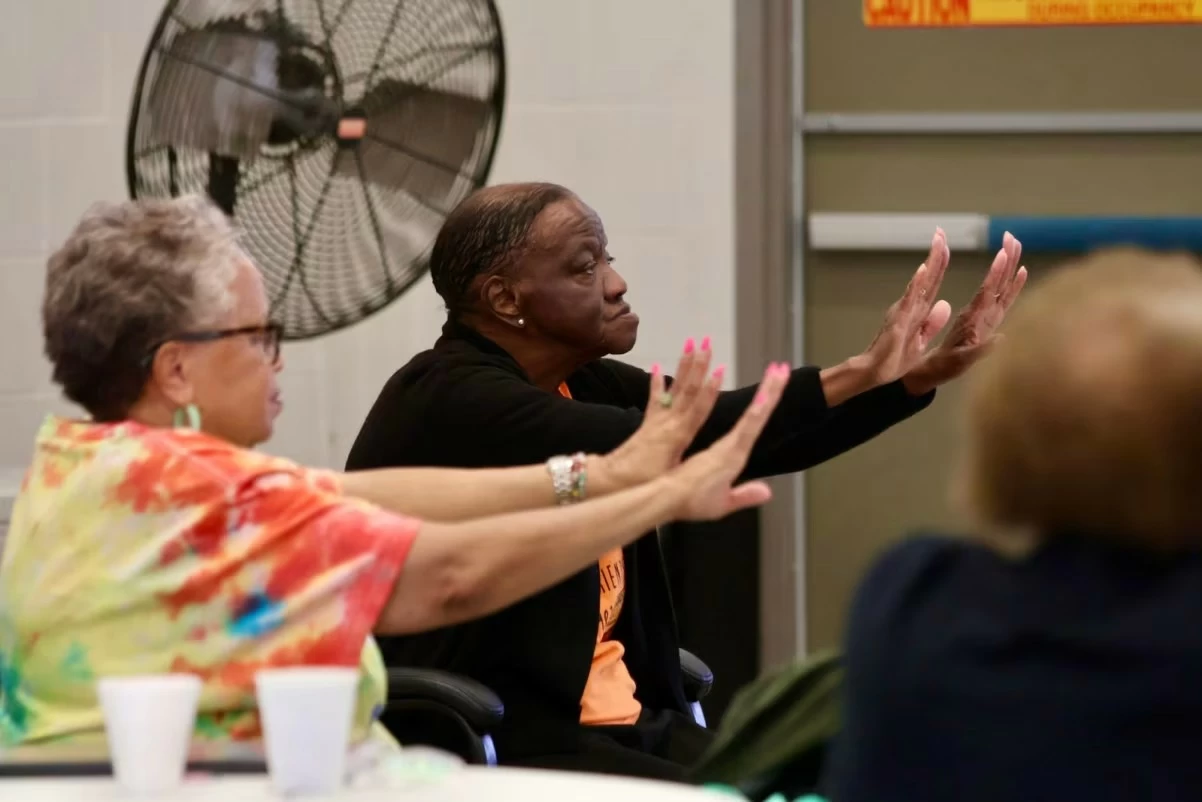
هؤلاء النساء في الستينات والسبعينات والثمانينات من أعمارهن، يشاركن في برنامج «برايم تايم سينيورز» المجاني الذي تقدمه المدينة. لم يأتين للاستماع إلى محاضرة سلبية، بل ليربطن حذاءهن الرياضي ويبدأن تمارين اليوغا، والتنفس العميق، وتصحيح وضعيات الجسم.
يقول إن دروس اليوغا والرقص الجماعي والحواسيب —ومستقبلاً دروس السباحة عندما يدفأ الجو— تحافظ على نشاطهن الذهني والبدني، وكثيرات منهن أكدن ما توصلت إليه دراسة علمية حديثة: ما يصنع «الشيخوخة الجيدة» ليس سوى الموقف الإيجابي تجاه الحياة والعمر.
قالت فيفيان كوك (66 عاماً): «كنت أعتني بكثير من أفراد عائلتي الذين كانوا يجلسون طوال الوقت، فرأيت ما فعله الخمول بهم، لذلك أرفض الجلوس ساكنة، لا أبقى في المنزل، وأفكر دائماً بإيجابية، وحتى أولادي أشجعهم على التفكير الإيجابي».
وأومأت صديقتاها ليلا دو (74 عاماً) وسيرلين واتس (67 عاماً) بالموافقة، وأضافت دو: «سأكون سعيدة لأنني استيقظت صباحاً»، فردت واتس ضاحكة: «هذا أفضل من البديل».
ورغم الصورة النمطية التي ترى أن الجسم والعقل يتدهوران تلقائياً مع التقدم في العمر، تثبت الأبحاث أن كثيراً من الناس يتحسنون مع الزمن، شأنهم شأن النبيذ الجيد.
الموقف هو كل شيء
تجارب هؤلاء السيدات تتماشى مع نتائج دراسة حديثة نُشرت في مجلة «جيرياتريكس» Geriatrics، التي تابعت أكثر من 11 ألف شخص مسن على مدار نحو عقد.
وقاس الباحثون الصحة الذهنية والجسدية باختبارات معرفية بسيطة للذاكرة قصيرة المدى والمهارات الحسابية، إضافة إلى اختبار المشي، وأظهرت النتائج أن أكثر من 45% من المشاركين تحسنت لديهم القدرات الذهنية وسرعة المشي مع مرور الوقت، خصوصاً أولئك الذين يمتلكون نظرة إيجابية تجاه التقدم في العمر.
كما أشارت دراسات أخرى إلى أن الأشخاص المتفائلين بشأن الشيخوخة يعانون أقل من مشكلات التركيز، تقل لديهم مخاطر الوفاة بنسبة تصل إلى 43%، يواجهون معدلات أقل من الأمراض المزمنة.
وقالت ماري هول (76 عاماً)، التي تعاني ارتفاع ضغط الدم والتهاب المفاصل وخضعت لعملية استبدال ركبتين: «أدركت بعد تقاعدي من شركة دلتا إيرلاينز عام 2008 أن البقاء في المنزل ليس لي، أمشي كل صباح، وأحضر البرنامج تقريباً يومياً، الـ76 اليوم مختلفة تماماً عما كانت عليه قبل 20 أو 30 عاماً، البقاء نشيطاً وعدم الجلوس في المنزل أمر بالغ الأهمية».
لماذا يؤثر الموقف الإيجابي؟
تشير الأبحاث إلى أن التفاؤل يزيد الثقة بالنفس، مما يحسن الذاكرة والقدرات المعرفية، ويجعل الإنسان أكثر مرونة واجتماعية، كما أن الأشخاص الإيجابيين أكثر التزاماً بزيارة الطبيب والخدمات الوقائية.
الاستفادة من العمر
يقول الدكتور جون أدلر، جراح أعصاب وأستاذ فخري في جامعة ستانفورد (72 عاماً): «مع التقدم في العمر، يقوم الدماغ بتهذيب الروابط العصبية غير المنتجة، فيصبح أكثر كفاءة».
ويضيف أنه أصبح أكثر فلسفة، لكنه يشعر بنفس القدرات المعرفية تقريباً، وهو سعيد بأنه تخلص من بعض الأفكار الخاطئة التي كان يحملها في شبابه.
يتابع أدلر: «أشعر أنني لست مختلفاً كثيراً عما كنت عليه قبل 30 عاماً. إذا كنت شغوفاً بشيء ما، فإنك تغير حتى التعبير الجيني وتعزز قدراتك أكثر».
نصائح لتبني موقف إيجابي تجاه التقدم في العمر
ينصح جراح الأعصاب الأستاذ بجامعة ستانفورد جون أدلر باتباع التعليمات التالية للحفاظ على النشاط مع تقدم العمر:
التركيز على أهداف يومية واقعية صغيرة.
ممارسة الحديث الإيجابي مع النفس والتركيز على ما يستحقه الشكر.
إعادة صياغة الأفكار السلبية بالنظر إلى صور إيجابية للشيخوخة.
التركيز على ما تستطيع التحكم فيه: الغذاء الصحي والرياضة.
الحرص على الاحتفاظ بأشخاص إيجابيين في حياتك.
Scientific studies and real-life experiences reveal that aging does not mean inevitable decline; rather, it can be a new phase of flourishing, provided one adopts a positive mindset and an active lifestyle.
In a report by CNN, in a spacious hall at the “C.A. Scott” recreational center in northwest Atlanta, trainer Kofi Kasa was dressed in sportswear, asking a group of women to bring their chairs closer together. As soothing electronic music played from an old speaker, the women laughed and chatted before starting their exercises.
These women, in their sixties, seventies, and eighties, are participating in the free “Prime Time Seniors” program offered by the city. They did not come to listen to a negative lecture but to lace up their sneakers and begin yoga, deep breathing, and posture correction exercises.
He says that yoga classes, group dancing, and computers — and soon swimming lessons when the weather warms up — keep their mental and physical activity alive, and many of them confirmed what a recent scientific study found: what constitutes “successful aging” is nothing but a positive attitude towards life and aging.
Vivian Cook (66) said, “I used to take care of many family members who sat all the time, and I saw what inactivity did to them, so I refuse to sit still, I don’t stay at home, and I always think positively, and I encourage my children to think positively too.”
Her friends Leila Doe (74) and Serlin Watts (67) nodded in agreement, with Doe adding, “I’ll be happy just to have woken up in the morning,” to which Watts replied with a laugh, “That’s better than the alternative.”
Despite the stereotype that the body and mind deteriorate automatically with age, research shows that many people improve over time, much like fine wine.
The mindset is everything
The experiences of these women align with the results of a recent study published in the journal “Geriatrics,” which followed over 11,000 elderly individuals for nearly a decade.
The researchers measured mental and physical health using simple cognitive tests for short-term memory and mathematical skills, in addition to a walking test. The results showed that more than 45% of participants experienced improvements in mental abilities and walking speed over time, especially those who held a positive outlook on aging.
Other studies have indicated that optimistic individuals about aging suffer less from concentration issues, have a reduced risk of death by up to 43%, and face lower rates of chronic diseases.
Mary Hall (76), who suffers from high blood pressure and arthritis and has undergone knee replacement surgery, said, “I realized after retiring from Delta Airlines in 2008 that staying at home wasn’t for me. I walk every morning and attend the program almost daily. Being 76 today is completely different from what it was 20 or 30 years ago; staying active and not sitting at home is crucial.”
Why does a positive mindset matter?
Research indicates that optimism boosts self-confidence, which enhances memory and cognitive abilities, making individuals more resilient and social. Additionally, positive individuals are more committed to visiting doctors and preventive services.
Making the most of aging
Dr. John Adler, a neurosurgeon and emeritus professor at Stanford University (72), says, “As we age, the brain prunes unproductive neural connections, becoming more efficient.”
He adds that he has become more philosophical but feels nearly the same cognitive abilities, and he is happy to have shed some misconceptions he held in his youth.
Adler continues, “I feel I’m not much different from what I was 30 years ago. If you are passionate about something, you even change gene expression and enhance your abilities further.”
Tips for adopting a positive attitude towards aging
Neurosurgeon and Stanford University professor John Adler recommends the following guidelines to maintain activity as one ages:
Focus on small, realistic daily goals.
Practice positive self-talk and focus on what deserves gratitude.
Reframe negative thoughts by looking at positive images of aging.
Concentrate on what you can control: healthy eating and exercise.
Make sure to keep positive people in your life.