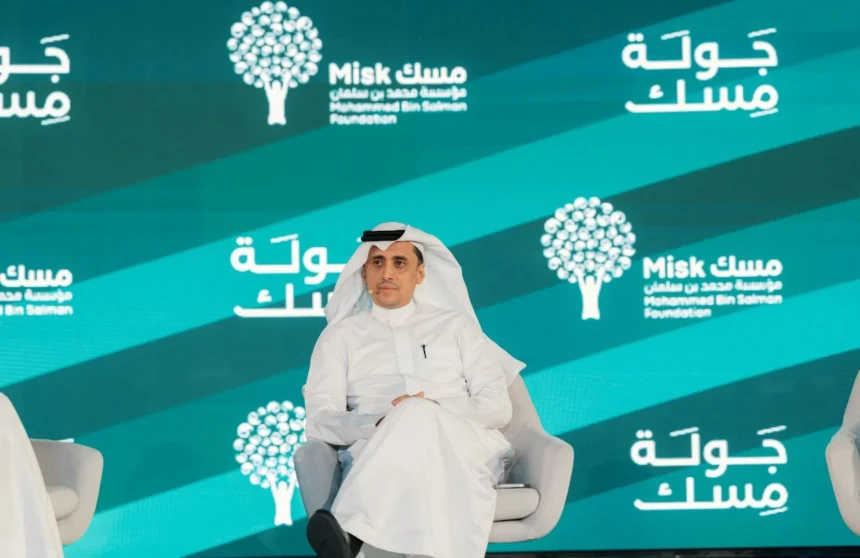
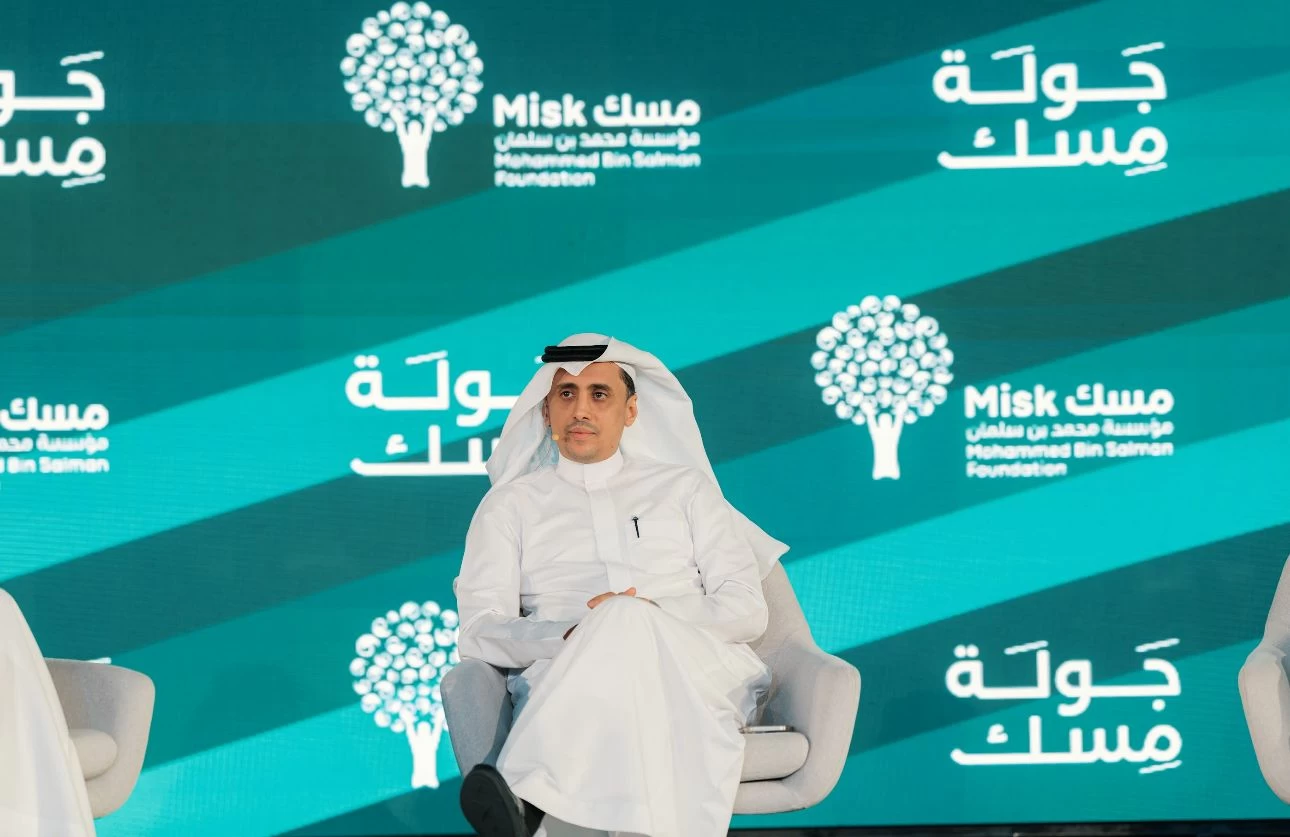
ينطلق تحليل المحلل والباحث في الشأن الاقتصادي الدكتور علي الحازمي في حوار لـ«عكاظ» من قراءة دقيقة لمقومات القوة التي يمتلكها الاقتصاد السعودي، مؤكداً أن المملكة نجحت في بناء منظومة مالية ومؤسسية صلبة تمكنها من التعامل مع التوترات الجيوسياسية والتقلبات الاقتصادية العالمية بثقة واقتدار.
وأوضح أن الإصلاحات الهيكلية الشاملة وتنويع مصادر الدخل الوطني لم تعد مجرد خطط، بل تحولت إلى واقع ملموس عزز متانة الاقتصاد أمام الصدمات الخارجية، ما يجعله اليوم أكثر قدرة على امتصاص الأزمات مقارنة بكثير من اقتصادات المنطقة والعالم.
وفي محور السياسة المالية، شدد الحازمي على أن قوة الهوامش المالية للمملكة تعد أحد أبرز العوامل الجوهرية، حيث تبنت الدولة خلال العقد الماضي نهجاً متوازناً يقوم على إدارة الدين العام بحذر شديد، بالتوازي مع بناء احتياطيات مالية ضخمة وأصول سيادية قوية عبر صندوق الاستثمارات العامة. هذه الهوامش تمنح صانع القرار الاقتصادي مرونة واسعة للتحرك السريع في أوقات الأزمات، سواءً عبر دعم القطاعات الحيوية أو الحفاظ على استقرار المالية العامة واستدامة المشاريع التنموية الكبرى.
أما عن ثقة المجتمع الدولي، فقد أشار إلى أن وكالات التصنيف الائتماني العالمية مثل «ستاندرد آند بورز» و«فيتش» و«موديز» تعكس هذه المتانة بوضوح من خلال منح المملكة نظرة مستقبلية مستقرة، وهو ما يعزز جاذبية الاستثمار الأجنبي. وأضاف أن التحول نحو القطاع غير النفطي قلل بشكل كبير من حساسية الناتج المحلي لتقلبات أسعار الطاقة، مما يضمن استمرارية النمو الاقتصادي على المدى الطويل. واختتم الحازمي بالتأكيد على الدور المحوري للمملكة كعامل استقرار أساسي في سوق الطاقة العالمي، حيث توازن بين مصالح المنتجين والمستهلكين عبر سياسات إنتاجية مدروسة وبنية تحتية لوجستية متطورة، مما يجعل السعودية اليوم الركيزة الأساسية للاستقرار الاقتصادي الإقليمي والعالمي تحت مظلة رؤية 2030.
The analysis of the economist and researcher Dr. Ali Al-Hazmi, in an interview with “Okaz,” begins with a precise reading of the strengths possessed by the Saudi economy, confirming that the Kingdom has succeeded in building a solid financial and institutional system that enables it to deal with geopolitical tensions and global economic fluctuations with confidence and capability.
He explained that comprehensive structural reforms and the diversification of national income sources are no longer just plans, but have transformed into a tangible reality that has strengthened the economy’s resilience against external shocks, making it today more capable of absorbing crises compared to many economies in the region and the world.
In the realm of fiscal policy, Al-Hazmi emphasized that the strength of the Kingdom’s financial margins is one of the most significant fundamental factors, as the state has adopted a balanced approach over the past decade that involves managing public debt with great caution, alongside building massive financial reserves and strong sovereign assets through the Public Investment Fund. These margins provide economic decision-makers with wide flexibility to act quickly in times of crises, whether by supporting vital sectors or maintaining the stability of public finances and the sustainability of major developmental projects.
Regarding international community confidence, he pointed out that global credit rating agencies such as “Standard & Poor’s,” “Fitch,” and “Moody’s” clearly reflect this resilience by granting the Kingdom a stable outlook, which enhances the attractiveness of foreign investment. He added that the shift towards the non-oil sector has significantly reduced the sensitivity of GDP to fluctuations in energy prices, ensuring the continuity of economic growth in the long term. Al-Hazmi concluded by emphasizing the Kingdom’s pivotal role as a fundamental stabilizing factor in the global energy market, balancing the interests of producers and consumers through well-considered production policies and advanced logistical infrastructure, making Saudi Arabia today the cornerstone of regional and global economic stability under the umbrella of Vision 2030.