
شأن الحروب الإلقاء بظلالها على حياة العامة والخاصة بتداعيات مادية ونفسيّة، وتثبت الحرب الجارية اليوم مجدداً، أن الثقافة والفنون والإبداع ليست بمعزل عن التهديد والإرباك والتأزمات، وليس أدلّ على ذلك من قرار تأجيل مواعيد مناسبات ثقافية أو إلغائها؛ منها معارض الكتب في أكثر من قُطْرٍ عربي، مع الأخذ في الحسبان أن الآثار نسبيّة، وملحوظة في جغرافيا دون أخرى، وإن انعكس كل ذلك على ردود فعل كُتّاب وأدباء، منقسمين على أنفسهم بحكم التجاذبات والاستقطاب، وهنا مساحة للنقاش حول هذه التداعيات، ودور المثقف في الأزمات.
أوضحت الكاتبة صفاء عبدالمنعم أن للنخب المثقفة دوراً مهماً في الاستبصار المستقبلي لما بعد الحرب والنتائج التي تخرج منها الشعوب عقب ذلك، لافتةً إلى مثالين مهمين، العالم إثر الحرب العالمية الثانية، وما فعلته من تدمير للمدن وقتل للبشر، إذ كان بعض المثقفين يعدون العدة، لرؤية مختلفة لما بعد الحرب، وهناك أدباء كتبوا روايات عالمية منها، رواية (وداعا للسلاح) وغيرها، كما كُتبت أشعار عظيمة مثل (الأرض الخراب)، ثم تغيّرت وجهة النظر القديمة، وظهر جيل كامل، كتب مسرح العبث والحداثة؛ باعتبارها فلسفة وكشفاً نقدياً مهماً. مشيرةً إلى ما حدث في مصر عقب ثورة 1919م، من بحث عن الذات والبحث عن الهويّة، وبعث الروح الوطنية عبر موسيقى وأغاني (سيد درويش) وظهور أصوات مناضلة ضد الاحتلال.
وأضافت: وفي الوطن العربي إثر جلاء الإنجليز والفرنسيين عن الأرض، بدأت شعوب المنطقة تتنفس هواء الحرية، وما أعقب حرب أكتوبر 73 والمساندة والمساعدة، كل ذلك أسهم في حالة نهضة حقيقية في الثقافة والعلم.
وذهبت عبدالمنعم إلى أنه لا بد أن يكون هناك تصور ذهني على الأقل لدى النخبة المثقفة، في كشف العبث ومعرفة الخطوات التالية عقب إنهاء الحرب؛ كون النخبة المثقفة الواعية معنيّة بكشف العبث ومعرفة الخطوات التالية.
فيما أوضح الكاتب خالد اليوسف أنه بمتابعة واقع وطننا العربي عموماً، يرى أنه تم تأجيل أو إلغاء كثير من الفعاليات الجماهيرية التي ممكن تتأثر من هذه الظروف الصعبة. موضحاً أنه في المجال الثقافي خصوصاً كان آخر المعارض الخاصة بالكتاب هو معرض الكتاب الدولي في دمشق. لافتاً إلى تأجيل معارض الكتب في دول الخليح العربي كافة والعراق، وتوقع أن يشمل التأجيل جميع معارض الكتب الأخرى؛ كون معظم الناشرين من الخليج العربي والعراق ولبنان تأثر عملهم وربما توقف؛ بسبب الحرب التي تلقي بثقلها وجلجلتها وآثارها على مسار الحياة عامة، فكيف بالكتاب وصناعته وتجارته؟
وعدّ اليوسف الأمن والأمان والاستقرار من أهم مقومات الحياة، والثقافي ليس من ضروريات الحياة اليومية، بل هو من ضروريات الجانب الشخصي للإنسان. ومن خصوصياته التي لا يمكن أن تكون شغلاً شاغلاً لعامة الناس. ويرى أنه من الطبيعي جداً تأجيل كل ما يتعلق بالثقافة بما في ذلك الضروري منها؛ كون الحياة إذا تم تأجيل أي فعل أو عمل ثقافي لن تتأثر.
وذهب الروائي عبدالعزيز الصقعبي إلى أنه لم ينتابه مطلقاً قلق الحرب بفضل الله ثم القيادة الحكيمة، لافتاً إلى أن كثيراً من الفعاليات الثقافية في المملكة تقام في أوقاتها، إلا أن هناك تداعيات على مستوى الوطن العربي، وبصورة أدق في دول الخليج العربية؛ بفعل الممارسات الإيرانية غير المتزنة، وإطلاق الصواريخ والمسيرات على عدد من المدن في الإمارات والبحرين وقطر والكويت وإلى حدّ ما عمان، إضافة إلى المنطقة الشرقية للمملكة، مؤكداً أن كل ذلك -بفضل الله- وجد من يتصدى له دون أن يصل لأهدافه، إلا أن رحلات الطيران تأثرت، وهي عصب التواصل للمشاركة في الفعاليات الثقافية. مشيراً إلى أننا لا نستغرب، في ظل الأحداث، إلغاء أو تأجيل معرض أبوظبي للكتاب، أو مهرجان المسرح الخليجي، أو غيرهما من المناسبات الثقافية والفنية، مشيراً إلى أنه وإن كانت مواقع أغلبها بعيدة عن مواقع الاستهداف، إلا أن ثمة قلقاً يدفع بالتفكير بعاقبة المغامرة بإقامة تجمع بشري، في مكان محدد، لا سيما أن العدو أهوج لا يفرق بين المواقع العسكرية والمدنية.
ويؤكد الصقعبي أن الحرب الدائرة اليوم تؤثر على معارض الكتب والأنشطة العربية، إلا أنه من المفترض أن لا يصل التأثير إلى بقية الدول العربية، خصوصاً مصر وتونس والمغرب، علماً أن هنالك مجموعة من الفعاليات التي تم تأجيلها في مصر؛ بسبب تداعيات الحرب، ربما من مبدأ أن الخير يخص والشر يعم، وعدّ الحرب شراً ابتليت به المملكة ودول الخليج والأردن في المقام الأول، مع بقية الدول العربية، لافتاً إلى أن أهم مقاومة للمثقف، تتمثل في التزامه بموقف سليم وواضح؛ من خلال الرأي والنشر في مواقع التواصل المختلفة، وصدق الرؤية، والبعد عن الشعارات التي عفا عليها الزمن، وعدم الانسياق وراء الشائعات، متطلعاً لأن يلتزم المثقف بدور القوة الناعمة التي تجنب الوطن العربي كل تداعيات الحرب.
وأكدت الشاعرة سميا صالح أن الثقافة لا تنأى بنفسها عن الحروب، بل يعاد تشكيل البنية الرمزية للمجتمعات مثل اللغة والذائقة وأنماط الإنتاج الثقافي؛ لذلك نرى أثرها الواضح متمثلاً في انكماش المؤسسات الثقافية، وإغلاق المسارح، وتراجع عمل دور النشر؛ كون الأولويات تتغيّر من الإبداع إلى البقاء، ويطفو أدب الحرب من شهادات وسرديات صادمة، إلى موضوعات الهوية والفقد والمنفى والعدالة، مشيرةً إلى أنه ربما تستغل الثقافة باعتبارها أداة تعبئة.
وأضافت: عقب الحرب، يخشى المثقف من تسييس المحتوى، وتعسف الرقابة، إلا أنه يمكن بروز معطيات إيجابية منها فتح باب للنقاش الحر، وترى أن دور المثقف ليس مثالياً أو بطولياً، بل واقعي ومتدرج، متطلعة لدور يوثّق الوقائع بعيداً عن التزييف، ويفكك خطاب الكراهية والدعاية، مع الحذر من توظيف الثقافة لتبرير العنف أو التحريض، كون الثقافة وسيلة لتخفيف الصراع لا تعميقه، وإن كانت الحرب تفقر الثقافة مادياً ومعنوياً.
فيما ذهبت الكاتبة رحمة العسال إلى أن الحروب لا تدمّر المدن فقط، بل تُربك الذاكرة الثقافية، وتُضعف حضور الفنون والمعرفة، فتتراجع معارض الكتب وتتحول البرامج الثقافية إلى رفاهية مؤجلة، في وقتٍ تكون فيه الحاجة إليها أشد من أي وقت، لافتةً إلى أن الثقافة ليست ترفاً، بل وسيلة لحفظ الهوية ومقاومة التهميش. وعدت الكتابة، والتوثيق، وطرح الأسئلة، التي تُبقي الوعي حيّاً، مسؤولية ملقاة على عاتق النخب، عبر دعم المبادرات الثقافية، وخلق منصات بديلة تُبقي الصوت الإنساني حاضراً وسط الضجيج.
وأضافت: في زمن الحروب تصبح الكلمة موقفاً، والثقافة شكلاً من أشكال المقاومة.
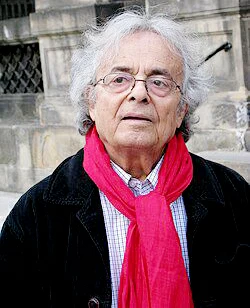
أدونيس: نخاف من الإشارة إلى المرض
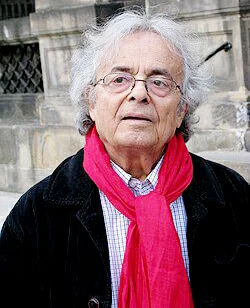
يرى عرّاب الحداثة في الوطن العربي الشاعر علي أحمد سعيد (أدونيس) أن الجميع يعيش ويفكر في رواق مرضٍ شامل، مؤكداً أننا «نخاف حتى من الإشارة إليه». وحمّل المسؤولية الخطاب الديني في صيغته الفقهية المصلحية القائمة على «التجارة والنفاق»، وقال صاحب (الثابت والمتحوّل): «لا مخرج إلا بالخلاص منه». وأضاف: انظر إلى ما يكتبه المثقفون: كأنهم خارج المكان والزمان! علماً أن على المثقف أن يواجه أولاً هذا الأمر!
The issue of wars casts its shadows over the lives of the public and private, with material and psychological repercussions. The ongoing war today reaffirms that culture, arts, and creativity are not isolated from threats, confusion, and crises. There is no clearer evidence of this than the decision to postpone or cancel cultural events, including book fairs in more than one Arab country. It is worth noting that the effects are relative and noticeable in some geographies more than others, and all of this has reflected on the reactions of writers and authors, who are divided among themselves due to the tensions and polarization. Here lies a space for discussion about these repercussions and the role of intellectuals in crises.
Writer Safaa Abdel-Moneim clarified that the educated elite have an important role in future insight regarding what comes after the war and the outcomes that nations face afterward. She pointed to two important examples: the world after World War II, which caused destruction of cities and loss of lives, where some intellectuals prepared for a different vision for the post-war era, and there were authors who wrote global novels, including “A Farewell to Arms” and others, as well as great poems like “The Waste Land.” Then, the old perspective changed, and a whole generation emerged that wrote absurd and modernist theater, considering it an important philosophy and critical revelation. She referred to what happened in Egypt after the 1919 Revolution, with the search for identity and the revival of national spirit through the music and songs of “Sayed Darwish” and the emergence of voices resisting occupation.
She added: In the Arab homeland, following the departure of the British and French from the land, the peoples of the region began to breathe the air of freedom. The aftermath of the October War in 1973, along with support and assistance, all contributed to a genuine renaissance in culture and science.
Abdel-Moneim stated that there must be at least a mental conception among the educated elite regarding the absurdity and understanding the next steps after the end of the war; as the aware educated elite are concerned with revealing absurdity and knowing the next steps.
Meanwhile, writer Khaled Al-Yousef explained that by following the reality of our Arab homeland in general, he sees that many public events have been postponed or canceled due to these difficult circumstances. He clarified that in the cultural field, particularly, the last book fair was the International Book Fair in Damascus. He pointed out the postponement of book fairs in all Gulf Arab countries and Iraq, and he expected that the postponement would include all other book fairs, as most publishers from the Gulf, Iraq, and Lebanon have been affected in their work, and perhaps it has stopped due to the war that casts its weight and echoes on the course of life in general. How then can we discuss books, their production, and trade?
Al-Yousef considered security, safety, and stability to be among the most important components of life, noting that culture is not a necessity of daily life, but rather a necessity of the personal aspect of human beings. He believes that it is very natural to postpone everything related to culture, including the essential aspects, as life will not be affected if any cultural action or work is postponed.
Novelist Abdulaziz Al-Saqabi stated that he has never felt anxious about the war, thanks to God and then wise leadership, pointing out that many cultural events in the Kingdom are held on time. However, there are repercussions at the level of the Arab world, and more precisely in the Gulf countries, due to Iran’s unbalanced practices, and the launching of missiles and drones on several cities in the UAE, Bahrain, Qatar, Kuwait, and to some extent Oman, in addition to the Eastern Province of the Kingdom. He confirmed that all of this—thanks to God—has found someone to confront it without reaching its goals. However, air travel has been affected, which is the nerve of communication for participating in cultural events. He noted that it is not surprising, in light of the events, to cancel or postpone the Abu Dhabi Book Fair, the Gulf Theater Festival, or other cultural and artistic events, indicating that although most of their locations are far from targeted sites, there is a concern that drives the thinking about the consequences of the risk of holding a human gathering in a specific place, especially since the enemy is reckless and does not differentiate between military and civilian sites.
Al-Saqabi asserts that the ongoing war today affects book fairs and Arab activities, but it should not reach the rest of the Arab countries, especially Egypt, Tunisia, and Morocco. It is known that there are a number of events that have been postponed in Egypt due to the repercussions of the war, perhaps based on the principle that good is specific and evil is general. He considered the war a calamity that has afflicted the Kingdom, the Gulf countries, and Jordan primarily, along with the rest of the Arab countries. He pointed out that the most important resistance for the intellectual lies in their commitment to a sound and clear stance through opinion and publication on various social media platforms, sincerity of vision, avoiding outdated slogans, and not succumbing to rumors, hoping that the intellectual will adhere to the role of soft power that keeps the Arab homeland away from all the repercussions of war.
Poet Somaya Saleh emphasized that culture does not distance itself from wars; rather, it reshapes the symbolic structure of societies, such as language, taste, and patterns of cultural production. Therefore, we see its clear impact manifested in the contraction of cultural institutions, the closure of theaters, and the decline of publishing houses, as priorities shift from creativity to survival. The literature of war rises from testimonies and shocking narratives to themes of identity, loss, exile, and justice, noting that culture may be exploited as a mobilization tool.
She added: After the war, the intellectual fears the politicization of content and the tyranny of censorship. However, positive outcomes may arise, such as opening the door for free discussion. She sees that the role of the intellectual is not idealistic or heroic, but rather realistic and gradual, aspiring to a role that documents facts away from distortion and dismantles the discourse of hatred and propaganda, while being cautious of using culture to justify violence or incitement, as culture is a means to alleviate conflict, not deepen it, even if war impoverishes culture materially and morally.
Meanwhile, writer Rahma Al-Assal stated that wars do not only destroy cities but also disrupt cultural memory and weaken the presence of arts and knowledge, leading to a decline in book fairs and turning cultural programs into postponed luxuries at a time when the need for them is greater than ever. She pointed out that culture is not a luxury but a means of preserving identity and resisting marginalization. She considered writing, documentation, and raising questions that keep awareness alive to be a responsibility placed on the shoulders of the elite, through supporting cultural initiatives and creating alternative platforms that keep the human voice present amid the noise.
She added: In times of war, words become a stance, and culture becomes a form of resistance.
Adonis: We fear to point to the disease
The godfather of modernity in the Arab world, poet Ali Ahmad Said (Adonis), believes that everyone lives and thinks in a state of comprehensive illness, affirming that “we are afraid even to point to it.” He held religious discourse responsible in its pragmatic legalistic form based on “trade and hypocrisy,” stating the author of “The Fixed and the Mutable”: “There is no way out except by getting rid of it.” He added: Look at what intellectuals write: as if they are outside of place and time! Knowing that the intellectual must first confront this issue!