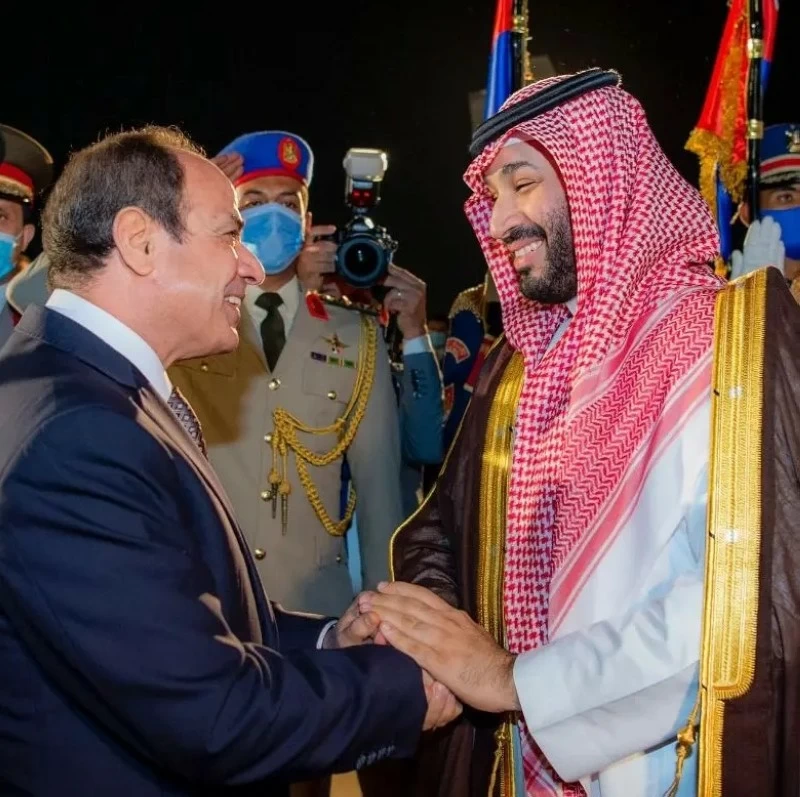
العلاقات السعودية – المصرية لا تقوم على السياسة فقط، بل تتجلّى بوضوح في الثقافة والتعليم والفنون، منذ إرسال أول بعثة تعليمية سعودية إلى مصر عام 1926 على يد الملك عبدالعزيز بن عبدالرحمن آل سعود، أصبح المصريون مرجعاً للعلم والفنون في الجزيرة العربية، فيما ساهم السعوديون في تعزيز التبادل الثقافي واللغوي بين البلدين.
شهدت القاهرة والرياض تبادل الفنانين والمثقفين؛ من المسرح والسينما إلى الشعر والموسيقى، والمهرجانات المشتركة، والمعارض الفنية، واللقاءات الثقافية ساهمت في تعريف شعبيّ البلدين بثقافة الآخر، وبناء جيل واعٍ بالقيم المشتركة والتراث العربي المشترك.
لم تقتصر العلاقات على التعليم التقليدي، بل توسعت لتشمل الجامعات والمعاهد الفنية والمهنية، حيث التحق آلاف الطلاب السعوديين بالكليات المصرية، وتبادل أساتذة الجامعات الخبرات، ما أثرى الفكر والمعرفة وأسهم في بناء كوادر مؤهلة تخدم رؤية التنمية في كلا البلدين.
تحافظ المبادرات الثقافية على الروابط التاريخية بين البلدين، من التراث الشعبي إلى العمارة والفنون الإسلامية، وتؤكد على وحدة الهوية العربية والمصير المشترك، وتغذي الروابط الشعبية التي تتجاوز حدود السياسة والاقتصاد.
اليوم، ومع التطور الرقمي والمنصات الإعلامية الجديدة، تتوسع الشراكة الثقافية السعودية – المصرية، ما يجعل العلاقة بين الرياض والقاهرة نموذجاً حياً للتعاون الثقافي والمعرفي العربي المشترك، مستمراً عبر الأجيال.
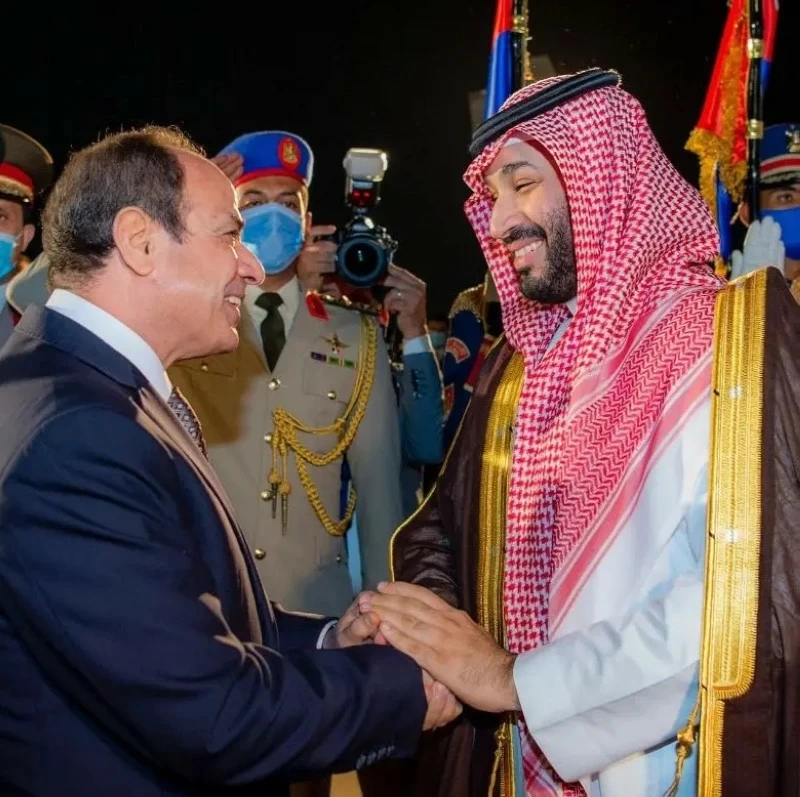
The Saudi-Egyptian relations are not based solely on politics; they are clearly manifested in culture, education, and the arts. Since the first Saudi educational mission was sent to Egypt in 1926 by King Abdulaziz bin Abdulrahman Al Saud, Egyptians have become a reference for knowledge and arts in the Arabian Peninsula, while Saudis have contributed to enhancing cultural and linguistic exchange between the two countries.
Cairo and Riyadh have witnessed the exchange of artists and intellectuals; from theater and cinema to poetry and music, joint festivals, art exhibitions, and cultural meetings have contributed to introducing the peoples of both countries to each other’s culture and building a generation aware of shared values and common Arab heritage.
The relations have not been limited to traditional education; they have expanded to include universities and technical and vocational institutes, where thousands of Saudi students have enrolled in Egyptian colleges, and university professors have exchanged experiences, enriching thought and knowledge and contributing to building qualified cadres that serve the development vision in both countries.
Cultural initiatives maintain the historical ties between the two countries, from popular heritage to architecture and Islamic arts, emphasizing the unity of Arab identity and shared destiny, and nourishing popular ties that transcend the boundaries of politics and economics.
Today, with digital development and new media platforms, the Saudi-Egyptian cultural partnership is expanding, making the relationship between Riyadh and Cairo a living model of Arab cultural and knowledge cooperation, continuing across generations.