

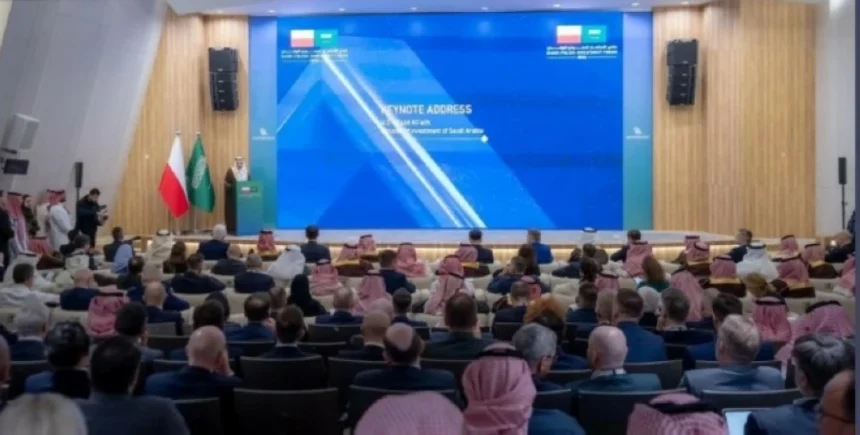
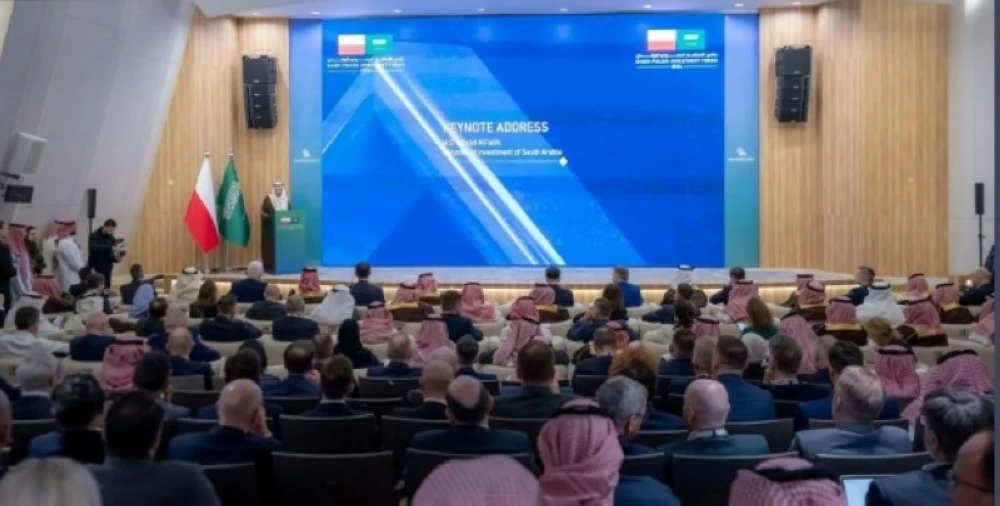
عُقد منتدى الاستثمار السعودي البولندي، بحضور وزير الاستثمار المهندس خالد الفالح، ووزير المالية في جمهورية بولندا أندريه دومانسكي، ونائب رئيس اتحاد الغرف السعودية عماد الفاخري، وذلك بمقر الاتحاد بالعاصمة الرياض، بمشاركة مسؤولين حكوميين وقادة أعمال ومستثمرين من المملكة العربية السعودية وجمهورية بولندا، بهدف تعزيز التعاون الاقتصادي وتوسيع الشراكات الاستثمارية في القطاعات ذات الأولوية، وبحث الفرص النوعية الداعمة للنمو المستدام في كلا البلدين.
تعزيز الشراكات
وتضمّن المنتدى الإعلان عن اتفاقيتين استثماريتين، تهدف الأولى إلى وضع إطار للتعاون المشترك في مجالات دعم الاستثمار وتبادل المعلومات والخبرات وتنظيم الفعاليات المشتركة لقطاع الأعمال، بما يسهم في تعزيز الشراكات المؤسسية بين الجانبين.
وركّزت الاتفاقية الاستثمارية الثانية على دعم الاستثمارات المتبادلة من خلال تطوير أدوات التمويل والتأمين وتحفيز المشاريع المشتركة، بما يعزز تدفقات الاستثمار، ويُسهم في توسيع التعاون الاقتصادي بين البلدين.
وأكد المنتدى أهمية استمرار التنسيق والحوار بين القطاعين العام والخاص في البلدين، واستكشاف فرص الشراكات الإستراتيجية طويلة الأمد، بما يسهم في تعميق العلاقات الاقتصادية السعودية البولندية وتحقيق المصالح المشتركة.
عروض تقديمية
واستعرض المنتدى خلال جلسة مخصصة آفاق الاقتصاد والاستثمار في المملكة وبولندا، عبر عروض تقديمية سلطت الضوء على الفرص الواعدة والممكنات الاستثمارية والبيئات التشريعية الداعمة للأعمال.
وشهد المنتدى عقد عدد من الطاولات المستديرة المتخصصة بالتوازي، ناقشت موضوعات إستراتيجية شملت تنمية الاقتصاد الرقمي، مع التركيز على تقنيات الاتصالات والمعلومات، والتقنيات المالية، والابتكار القائم على الذكاء الاصطناعي، إلى جانب تطوير سلاسل القيمة في القطاع الزراعي، بدءاً من الإنتاج وحتى الوصول إلى الأسواق، عبر التقنيات الزراعية المتقدمة وتصنيع الأغذية والآلات والمعدات الزراعية.
وتناولت الجلسات إستراتيجيات تحسين قطاع التشييد والبناء، من خلال تطوير الأنظمة والمواد ورفع كفاءة التنفيذ وتسريع وتيرة التسليم، إضافةً إلى بحث قضايا أمن الطاقة وجاهزية القطاعات الصناعية ودورها في دعم التحول الاقتصادي وتحقيق الاستدامة.
The Saudi-Polish Investment Forum was held, attended by the Minister of Investment, Engineer Khalid Al-Falih, the Minister of Finance of the Republic of Poland, Andrzej Domański, and the Vice President of the Saudi Chambers Federation, Imad Al-Fakhri, at the Federation’s headquarters in the capital, Riyadh. The forum included government officials, business leaders, and investors from the Kingdom of Saudi Arabia and the Republic of Poland, aiming to enhance economic cooperation and expand investment partnerships in priority sectors, and to explore quality opportunities that support sustainable growth in both countries.
Enhancing Partnerships
The forum included the announcement of two investment agreements. The first aims to establish a framework for joint cooperation in areas supporting investment, exchanging information and expertise, and organizing joint events for the business sector, which contributes to enhancing institutional partnerships between the two sides.
The second investment agreement focused on supporting reciprocal investments by developing financing and insurance tools and stimulating joint projects, which enhances investment flows and contributes to expanding economic cooperation between the two countries.
The forum emphasized the importance of continued coordination and dialogue between the public and private sectors in both countries, and exploring opportunities for long-term strategic partnerships, which contributes to deepening Saudi-Polish economic relations and achieving mutual interests.
Presentations
During a dedicated session, the forum reviewed the prospects of the economy and investment in the Kingdom and Poland, through presentations that highlighted promising opportunities, investment enablers, and supportive legislative environments for businesses.
The forum also witnessed several specialized roundtable discussions held in parallel, addressing strategic topics including the development of the digital economy, with a focus on communication and information technologies, financial technologies, and innovation based on artificial intelligence, as well as developing value chains in the agricultural sector, from production to market access, through advanced agricultural technologies, food manufacturing, and agricultural machinery and equipment.
The sessions addressed strategies to improve the construction and building sector, through the development of systems and materials, enhancing execution efficiency, and accelerating delivery timelines, in addition to discussing energy security issues and the readiness of industrial sectors and their role in supporting economic transformation and achieving sustainability.