

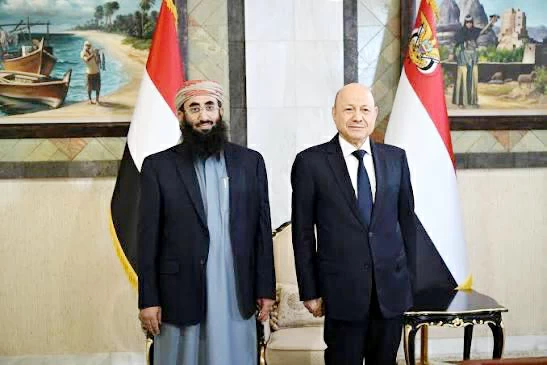
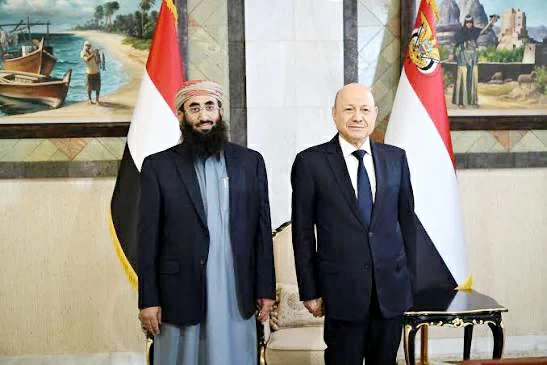
وصف وزير الأوقاف والإرشاد في الحكومة اليمنية الشيخ تركي عبدالله الوادعي، العلاقة بين اليمن والسعودية بالقوية، وقال، إنها تشكل نموذجاً متفرداً للتكامل بين بلدين تجمعهما روابط الدين والعادات والتقاليد الواحدة والتاريخ والجغرافيا، ويتقاسمان المصير المشترك الواحد، مستعرضاً العديد من مجالات التعاون بينهما والدعم السعودي الكبير المقدم لليمن في مختلف المجالات. وأكد لـ«عكاظ»، في حوار خاص، أهمية الدور الكبير الذي تضطلع به وزارته انطلاقاً من مسؤولياتها الحكومية في إدارة الشأن الديني في الجمهورية اليمنية، والإشراف على المساجد ودور العبادة باعتبارها مؤسسات تربوية واجتماعية يتجاوز دورها إقامة الصلاة، وتشمل بناء الوعي وتهذيب السلوك وترسيخ قيم الصدق والتكافل الاجتماعي.
وتحدث وزير الأوقاف والإرشاد اليمني عن كثير من المواضيع المهمة، وفي ما يلي نص الحوار:
• ما هي أبرز أولوياتكم خلال المرحلة القادمة؟
•• بداية نشكر لكم في صحيفة «عكاظ» اهتمامكم بالملف اليمني، وعلى وجه التحديد نشاط وزارة الأوقاف والإرشاد، واسمح لي أن أبدأ هذا الحوار بتأكيد موقفنا الثابت والداعم إلى جانب الأشقاء في المملكة العربية السعودية تجاه ما تتعرض له من مؤامرات وتحديات محدقة بالمنطقة.
نحن في وزارة الأوقاف والإرشاد نتحرك وفق مجموعة من الأولويات التي فرضتها طبيعة المرحلة التي يمر بها اليمن.
الأولوية الأولى، تتمثل في إعادة تفعيل مؤسسات الوزارة وتعزيز حضورها في المحافظات المحررة، ولذلك نقوم بدور كبير في إعادة بناء رسالة الوزارة بما يضمن قيامها بواجبها في الإرشاد الديني وإدارة المساجد والأوقاف وفق إطار مؤسسي واضح.
الأولوية الثانية، تتعلق بملف حماية الأوقاف واستعادة ممتلكاتها، وهو ملف إستراتيجي؛ لأن الأوقاف تمثل رافداً اقتصادياً وخيرياً مهماً في المجتمع اليمني، فالوزارة تعمل على تطوير قاعدة بيانات للأصول الوقفية وتحديث عمليات الحصر والتوثيق، مع تفعيل المسار القانوني لاستعادة أي ممتلكات تم الاعتداء عليها خلال سنوات الحرب.
أما الأولوية الثالثة، فهي تعزيز خطاب الاعتدال والوسطية في المساجد والمنابر، ومحاربة الأفكار المتطرفة والضالة والمظاهر الدخيلة على المجتمع اليمني.
مسؤوليتنا أن يبقى المسجد منبراً للهداية والتوعية وبناء الإنسان. كما نولي اهتماماً كبيراً بقطاع الحج والعمرة؛ لأن خدمة الحجاج والمعتمرين اليمنيين مسؤولية مباشرة للوزارة، ونسعى باستمرار لتطوير مستوى الخدمات المقدمة لهم رغم الظروف الاستثنائية التي تمر بها البلاد.
ومن أولوياتنا أيضاً، الاهتمام بتحفيظ القرآن الكريم، وحفظ السنة النبوية الصحيحة، وتعزيز حضورهما على المستوى المحلي والدولي.
️العلاقة بين اليمن والمملكة
• حدثنا عن العلاقة بين السعودية واليمن وكيف تنظرون إليها؟
•• العلاقة بين البلدين علاقة راسخة ضاربة في التاريخ، أساسها الروابط الدينية والاجتماعية والجوار الجغرافي والمصير المشترك.
والمملكة لعبت خلال العقود الماضية دوراً محورياً في دعم اليمن سياسياً واقتصادياً وإنسانياً وعسكرياً، كما فتحت أبوابها لملايين اليمنيين للعمل والإقامة، وقدمت – ولا تزال – دعماً كبيراً للحكومة الشرعية للحفاظ على أمن واستقرار اليمن من المخاطر المحدقة بالمنطقة.
في المجال الديني تحديداً، هناك تعاون وثيق بين الجهات المختصة في البلدين، خصوصاً في ملف الحج والعمرة، حيث تبدي المملكة تفهماً كبيراً للظروف التي يمر بها اليمنيون وتعمل على تسهيل إجراءاتهم في مختلف المراحل، وهذه العلاقة تمثل نموذجاً للتكامل بين بلدين يجمعهما الدين والتاريخ والنسب والجوار.
• ما هي المهام التي تضطلع بها وزارة الأوقاف والإرشاد؟
•• وزارة الأوقاف والإرشاد هي الجهة الحكومية المسؤولة عن إدارة الشأن الديني في الجمهورية اليمنية. تشمل مهامها الأساسية الإشراف على المساجد ودور العبادة وتنظيم الخطاب الديني عبر الأئمة والخطباء والدعاة، إضافة إلى إدارة أموال وأصول الأوقاف واستثمارها وفق شروط الواقفين. كما تضطلع الوزارة بتنظيم شؤون الحج والعمرة لليمنيين، إلى جانب برامج تحفيظ القرآن الكريم والأنشطة الدعوية والإرشادية. وتضم الوزارة عدة قطاعات رئيسية من بينها قطاع الأوقاف وقطاع الإرشاد وقطاع الحج والعمرة وقطاع تحفيظ القرآن الكريم وقطاع الاستثمار والوصايا التي تهدف إلى إدارة الوصايا الشرعية وتنمية موارد الوقف لخدمة المجتمع.
• ماذا عن وضع أموال وممتلكات الأوقاف وهل لديكم حصر شامل لها؟
•• الأوقاف في اليمن تمتلك تاريخاً طويلاً وتمثل جزءاً مهماً من البنية الاقتصادية والاجتماعية للمجتمع اليمني، فلا تكاد تجد قرية أو سهلاً أو وادياً أو جبلاً أو جزيرة أو منطقة في اليمن إلا وجدت وقفاً فيها تشمل أراضي وعقارات وممتلكات خصصها الواقفون عبر القرون لخدمة المساجد والتعليم والعمل الخيري وغيرها.
الوزارة تعمل حالياً على تحديث عمليات الحصر والتوثيق لهذه الممتلكات، وبناء قاعدة بيانات دقيقة للأصول الوقفية، إضافة إلى تطوير آليات الاستثمار الوقفي لتحويل هذه الأصول إلى مصادر دخل مستدامة تدعم العمل الخيري والتنموي.
خلال سنوات الانقلاب حدثت اعتداءات كبيرة طالت ممتلكات الوقف بسبب انعدام مؤسسات الدولة في بعض المناطق، كما حدثت تجاوزات في المحافظات المحررة، ولذلك اتخذت الوزارة مساراً قانونياً لاستعادة هذه الحقوق بالتنسيق مع الجهات القضائية والسلطات المحلية. أما في المناطق الغير الخاضعة للشرعية فالوضع أكثر تعقيداً، حيث تمت مصادرة الأوقاف وهذا انتهاك واضح لطبيعة الوقف ومقاصده الشرعية.
• ماذا عن أوضاع المساجد وحلقات تحفيظ القرآن؟
•• المساجد في المحافظات الخاضعة للحكومة الشرعية تخضع لإشراف الوزارة عبر مكاتب الأوقاف في المحافظات.
المسجد في اليمن لا يزال يؤدي دوره الشرعي في إقامة الشعائر وتعليم القرآن الكريم، وهناك العديد من المساجد التي تحتضن حلقات تحفيظ القرآن الكريم للناشئة والشباب، وهو نشاط تحرص الوزارة على دعمه وتوسيعه؛ لأنه يمثل أساساً في بناء الوعي الديني الصحيح.
أما العاملون في المساجد من أئمة وخطباء ومرشدين، فهم يقومون بجهود كبيرة رغم الظروف الاقتصادية الصعبة التي تمر بها البلاد، والوزارة تسعى إلى تحسين أوضاعهم وتوفير برامج تدريب وتأهيل مستمرة لهم.
️رسالة المسجد في المجتمع
• ما هي رسالة المسجد في المجتمع؟
•• المسجد في الإسلام عموماً يمثل مؤسسة تربوية واجتماعية متكاملة، تتجاوز أدواره إقامة الصلاة لتشمل تربية الإنسان وبناء الوعي الأخلاقي في المجتمع، فالمسجد يرسخ قيم الصدق والأمانة والتكافل والرحمة ويعزز روح الأخوة بين الناس.
كما أن المسجد يلعب دوراً مهماً في معالجة كثير من الظواهر الاجتماعية عبر خطاب ديني متوازن يربط بين العبادة والسلوك اليومي للإنسان.
️الوسطية والاعتدال ومواجهة التطرف
• ماذا عن دور الوزارة في نشر ثقافة السلام ومواجهة التطرف؟
•• الوزارة تعمل على تعزيز خطاب ديني معتدل يقوم على الوسطية والاعتدال ويركز على القيم الإسلامية الجامعة من خلال المساجد والبرامج الدعوية والتوعوية، وتسعى الوزارة إلى نشر ثقافة التسامح والتعايش بين أبناء المجتمع، مع مواجهة خطاب الكراهية والتطرف، كما يجري تدريب الأئمة والخطباء على معالجة القضايا الاجتماعية والإنسانية في خطبهم وبرامجهم الإرشادية عبر معهد الإرشاد والتوجيه بالعاصمة المؤقتة عدن.
• ماذا عن دوركم في مواجهة الأفكار الدخيلة على تعاليم وقيم الدين؟
•• مواجهة التطرف تبدأ ببناء خطاب شرعي علمي متوازن، فالفكر يواجه بفكر صحيح العقيدة على منهاج السنة والسلف الصالح.
الوزارة تعمل على دعم العلماء والدعاة، وتطوير برامج التدريب والتأهيل للأئمة والخطباء، إضافة إلى إطلاق برامج توعوية تستهدف الشباب عبر المساجد ووسائل الإعلام. كما يجري دعم برامج تعليم القرآن الكريم والعلوم الشرعية لأنها تشكل الأساس في بناء وعي ديني صحيح لدى الأجيال الجديدة.
• ما طبيعة الدور الذي تضطلع به الوزارة في تنظيم الحج والعمرة؟
•• وزارة الأوقاف والإرشاد هي الجهة الحكومية المسؤولة عن تنظيم الحج والعمرة لليمنيين عبر قطاع الحج والعمرة وإداراته المختلفة، والوزارة تتولى إعداد الخطط التنظيمية لموسم الحج، واختيار الشركات والمكاتب المعتمدة لتنظيم الرحلات، إضافة إلى الإشراف على البعثة اليمنية التي تعمل ميدانياً داخل الأراضي المقدسة لخدمة الحجاج.
وفي إطار الاستعدادات المبكرة للمواسم القادمة، قامت الوزارة باعتماد عشرات المنشآت المعتمدة لتنظيم الحج في مختلف المحافظات لضمان تنظيم عملية التسجيل وحماية حقوق الحجاج. كما يتم تحديد تكاليف الحج وفق دراسة ميدانية للخدمات المقدمة للحجاج في الأراضي المقدسة بما يضمن الشفافية وجودة الخدمة.
• ما أبرز التحديات التي تواجه الوزارة في هذا المجال؟
•• التحديات متعددة، في مقدمتها ظروف الحرب، إضافة إلى صعوبات التنقل بين المحافظات ورغم ذلك تبذل الوزارة جهوداً كبيرة لتسهيل الإجراءات وضمان حصول الحجاج اليمنيين على أفضل خدمة ممكنة بالتنسيق مع الأشقاء في المملكة العربية السعودية.
• ما هي طبيعة التعاون بين اليمن والمملكة في ملف الحج؟
•• هناك تعاون وثيق ومستمر بين وزارة الأوقاف والإرشاد في اليمن والجهات المختصة بالحج في المملكة العربية السعودية، فالجهات السعودية تقدم تسهيلات كبيرة للحجاج اليمنيين، وتبدي تفهماً واضحاً للظروف الاستثنائية التي تمر بها البلاد.
كما يتم التنسيق المباشر بين الجانبين في كل موسم حج لضمان تنظيم الرحلات وتسهيل الإجراءات للحجاج.
• كيف تنظرون إلى نجاح السعودية في إدارة موسم الحج؟
•• السعودية تقدم تجربة فريدة في إدارة الحشود وتنظيم موسم الحج. كل عام نشهد تطوراً كبيراً في البنية التحتية والخدمات المقدمة للحجاج، سواء في النقل أو الإسكان أو الخدمات الصحية والأمنية. إدارة ملايين الحجاج من مختلف دول العالم بهذا المستوى من التنظيم تمثل إنجازاً عالمياً يعكس حجم الجهود التي تبذلها المملكة لخدمة ضيوف الرحمن.
حاجة اليمن إلى خطاب جامع
• كلمة أخيرة تودون قولها من خلال هذا الحوار؟
•• اليمن بحاجة اليوم إلى خطاب ديني جامع، يعزز قيم الأخوة ويحصّن المجتمع من الصراعات الطائفية والفكر المتطرف والأفكار الدخيلة. كما أتوجه بالشكر للمملكة العربية السعودية قيادةً وشعباً على ما تقدمه من دعم مستمر لليمن ولليمنيين في مختلف المجالات، وعلى جهودها الكبيرة في خدمة ضيوف الرحمن.
The Minister of Awqaf and Guidance in the Yemeni government, Sheikh Turki Abdullah Al-Wad’i, described the relationship between Yemen and Saudi Arabia as strong, stating that it represents a unique model of integration between two countries bound by ties of religion, shared customs and traditions, history, and geography, sharing a common destiny. He reviewed many areas of cooperation between them and the significant Saudi support provided to Yemen in various fields. In a special interview with “Okaz,” he emphasized the important role his ministry plays based on its governmental responsibilities in managing religious affairs in the Republic of Yemen, overseeing mosques and places of worship as educational and social institutions that go beyond merely conducting prayers, including building awareness, refining behavior, and instilling values of honesty and social solidarity.
The Yemeni Minister of Awqaf and Guidance discussed many important topics, and below is the text of the interview:
• What are your main priorities for the upcoming phase?
•• First, we thank you at “Okaz” newspaper for your interest in the Yemeni file, specifically the activities of the Ministry of Awqaf and Guidance. Allow me to start this interview by reaffirming our steadfast and supportive position alongside our brothers in the Kingdom of Saudi Arabia regarding the conspiracies and challenges facing the region.
We at the Ministry of Awqaf and Guidance operate according to a set of priorities dictated by the nature of the phase Yemen is going through.
The first priority is to reactivate the ministry’s institutions and enhance its presence in the liberated governorates. Therefore, we are playing a significant role in rebuilding the ministry’s message to ensure it fulfills its duties in religious guidance and managing mosques and endowments within a clear institutional framework.
The second priority relates to the file of protecting endowments and recovering their properties, which is a strategic file; because endowments represent an important economic and charitable resource in Yemeni society. The ministry is working on developing a database for endowment assets and updating the processes of inventory and documentation, while activating the legal pathway to recover any properties that have been violated during the years of war.
The third priority is to promote a discourse of moderation and centrism in mosques and platforms, combating extremist and misguided ideas and foreign manifestations in Yemeni society.
It is our responsibility to ensure that the mosque remains a platform for guidance, awareness, and human development. We also pay great attention to the pilgrimage and Umrah sector because serving Yemeni pilgrims and Umrah performers is a direct responsibility of the ministry, and we continuously strive to improve the level of services provided to them despite the exceptional circumstances the country is going through.
Among our priorities is also the interest in memorizing the Holy Quran and preserving the authentic Sunnah, and enhancing their presence at both local and international levels.
️The relationship between Yemen and the Kingdom
• Tell us about the relationship between Saudi Arabia and Yemen and how you view it?
•• The relationship between the two countries is a deep-rooted one in history, based on religious, social, and geographical ties, as well as a shared destiny.
Over the past decades, the Kingdom has played a pivotal role in supporting Yemen politically, economically, humanitarianly, and militarily. It has opened its doors to millions of Yemenis for work and residence, and it has provided—and continues to provide—a significant amount of support to the legitimate government to maintain Yemen’s security and stability against the dangers threatening the region.
In the religious field specifically, there is close cooperation between the relevant authorities in both countries, especially in the pilgrimage and Umrah file, where the Kingdom shows great understanding of the circumstances faced by Yemenis and works to facilitate their procedures at various stages. This relationship represents a model of integration between two countries united by religion, history, lineage, and proximity.
• What are the tasks undertaken by the Ministry of Awqaf and Guidance?
•• The Ministry of Awqaf and Guidance is the governmental body responsible for managing religious affairs in the Republic of Yemen. Its main tasks include overseeing mosques and places of worship, organizing religious discourse through imams, preachers, and callers to Islam, in addition to managing the funds and assets of endowments and investing them according to the conditions set by the founders. The ministry also organizes the affairs of pilgrimage and Umrah for Yemenis, along with programs for memorizing the Holy Quran and various guiding and advocacy activities. The ministry includes several main sectors, including the endowments sector, the guidance sector, the pilgrimage and Umrah sector, the Quran memorization sector, and the investment and wills sector, which aims to manage legal wills and develop endowment resources to serve the community.
• What about the status of endowment funds and properties? Do you have a comprehensive inventory of them?
•• Endowments in Yemen have a long history and represent an important part of the economic and social structure of Yemeni society. You can hardly find a village, plain, valley, mountain, island, or area in Yemen without an endowment that includes lands, properties, and assets designated by founders over the centuries for the service of mosques, education, charitable work, and more.
The ministry is currently working on updating the processes of inventory and documentation for these properties and building an accurate database of endowment assets, in addition to developing mechanisms for endowment investment to transform these assets into sustainable income sources that support charitable and developmental work.
During the years of the coup, significant violations occurred against endowment properties due to the absence of state institutions in some areas, and there were also abuses in the liberated governorates. Therefore, the ministry has taken a legal path to recover these rights in coordination with judicial authorities and local authorities. As for the areas not under the control of the legitimate government, the situation is more complicated, as endowments have been confiscated, which is a clear violation of the nature of the endowment and its legitimate purposes.
• What about the status of mosques and Quran memorization circles?
•• Mosques in the governorates under the legitimate government are supervised by the ministry through the endowments offices in the governorates.
The mosque in Yemen still performs its legal role in conducting rituals and teaching the Holy Quran, and there are many mosques that host Quran memorization circles for youth and children, which is an activity that the ministry is keen to support and expand; because it represents a foundation in building correct religious awareness.
As for the workers in mosques, including imams, preachers, and guides, they are making great efforts despite the difficult economic conditions the country is experiencing, and the ministry seeks to improve their conditions and provide continuous training and qualification programs for them.
️The message of the mosque in society
• What is the message of the mosque in society?
•• The mosque in Islam generally represents a comprehensive educational and social institution, transcending its roles of conducting prayers to include the education of individuals and building moral awareness in society. The mosque instills values of honesty, trustworthiness, solidarity, and mercy, and enhances the spirit of brotherhood among people.
Moreover, the mosque plays an important role in addressing many social phenomena through a balanced religious discourse that connects worship with daily human behavior.
️Moderation and centrism in confronting extremism
• What is the ministry’s role in promoting a culture of peace and confronting extremism?
•• The ministry works to promote a moderate religious discourse based on centrism and moderation, focusing on the inclusive Islamic values through mosques and advocacy and awareness programs. The ministry seeks to spread a culture of tolerance and coexistence among community members while confronting hate speech and extremism. Imams and preachers are trained to address social and humanitarian issues in their sermons and guidance programs through the Guidance and Orientation Institute in the temporary capital, Aden.
• What about your role in confronting ideas that contradict the teachings and values of religion?
•• Confronting extremism begins with building a balanced, legitimate, and scientific discourse. Ideas are countered with correct beliefs based on the methodology of the Sunnah and the righteous predecessors.
The ministry works to support scholars and preachers, develop training and qualification programs for imams and preachers, in addition to launching awareness programs targeting youth through mosques and media outlets. Programs for teaching the Holy Quran and Islamic sciences are also supported because they form the foundation for building correct religious awareness among the new generations.
• What is the nature of the ministry’s role in organizing pilgrimage and Umrah?
•• The Ministry of Awqaf and Guidance is the governmental body responsible for organizing pilgrimage and Umrah for Yemenis through the pilgrimage and Umrah sector and its various departments. The ministry prepares organizational plans for the pilgrimage season, selects accredited companies and offices to organize trips, and supervises the Yemeni delegation that operates on the ground within the holy lands to serve the pilgrims.
As part of the early preparations for the upcoming seasons, the ministry has approved dozens of accredited establishments to organize pilgrimage in various governorates to ensure the organization of the registration process and protect the rights of pilgrims. The costs of pilgrimage are determined based on a field study of the services provided to pilgrims in the holy lands, ensuring transparency and quality of service.
• What are the main challenges facing the ministry in this area?
•• The challenges are numerous, foremost among them the conditions of war, in addition to difficulties in transportation between governorates. Despite this, the ministry makes significant efforts to facilitate procedures and ensure that Yemeni pilgrims receive the best possible service in coordination with our brothers in the Kingdom of Saudi Arabia.
• What is the nature of cooperation between Yemen and the Kingdom regarding pilgrimage?
•• There is close and ongoing cooperation between the Ministry of Awqaf and Guidance in Yemen and the relevant pilgrimage authorities in the Kingdom of Saudi Arabia. The Saudi authorities provide significant facilitation for Yemeni pilgrims and show clear understanding of the exceptional circumstances the country is going through.
Direct coordination occurs between both sides in every pilgrimage season to ensure the organization of trips and facilitate procedures for the pilgrims.
• How do you view Saudi Arabia’s success in managing the pilgrimage season?
•• Saudi Arabia provides a unique experience in managing crowds and organizing the pilgrimage season. Every year, we witness significant developments in infrastructure and services provided to pilgrims, whether in transportation, housing, or health and security services. Managing millions of pilgrims from various countries around the world at this level of organization represents a global achievement that reflects the magnitude of the efforts made by the Kingdom to serve the guests of the Most Merciful.
Yemen’s need for a comprehensive discourse
• Any final words you would like to say through this interview?
•• Yemen today needs a comprehensive religious discourse that enhances values of brotherhood and fortifies society against sectarian conflicts, extremist ideologies, and foreign ideas. I also extend my thanks to the Kingdom of Saudi Arabia, its leadership, and its people for their continuous support for Yemen and Yemenis in various fields, and for their significant efforts in serving the guests of the Most Merciful.