أشادت الأمم المتحدة بالإنجاز البيئي الكبير الذي حققته المملكة العربية السعودية عبر إعادة تأهيل مليون هكتار من الأراضي المتدهورة، معتبرة ذلك نموذجاً عالمياً ينسجم مع توجهاتها لحماية البيئة واستعادة النظم البيئية حتى في أصعب الظروف.
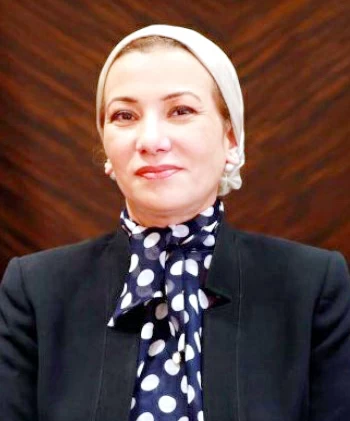
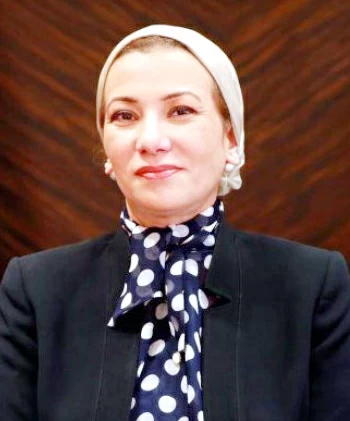
وأكدت الأمين التنفيذي لاتفاقية الأمم المتحدة لمكافحة التصحر الدكتورة ياسمين فؤاد، أن المملكة تواصل دورها الريادي من خلال مبادرات دولية رائدة مثل مبادرة الشرق الأوسط الأخضر، والمبادرة العالمية للأراضي، إضافة إلى دورها في رئاسة مؤتمر الأطراف، مما أسهم في رفع الطموح الدولي وتعزيز العمل الجماعي.
وأوضحت أن استعادة الأراضي ليست مجرد قضية بيئية، بل تعد إنجازاً تنموياً وإنسانياً يعزز الأمن الغذائي، ويدعم الاقتصادات المحلية، ويوفر فرص العمل، ويسهم في مواجهة تحديات عالمية مثل تغيّر المناخ والاستقرار في المناطق الهشة.
وأضافت أن الوصول إلى مليون هكتار يمثل رسالة قوية بأن الحلول موجودة وأن العمل المشترك قادر على تحويل التحديات إلى فرص، مشيدة بالشراكة بين الحكومة والقطاع الخاص والمجتمع المدني.
كما أكدت أن المملكة قدمت نموذجاً متقدماً في استعادة النظم البيئية عبر حلول قائمة على الطبيعة، وتوظيف الابتكار، وتكامل السياسات، ضمن إطار مبادرة السعودية الخضراء التي تعتمد منهجيات علمية دقيقة لتعزيز التنوع الحيوي واستدامة الموارد.
واختتمت بالتأكيد على أن هذا الإنجاز يمثل خطوة مهمة في مسار طويل يتطلب استمرار الالتزام وتوسيع الشراكات، باعتبار استعادة الأراضي استثماراً في الإنسان والاستقرار ومستقبلاً أكثر استدامة للجميع.
The United Nations praised the significant environmental achievement made by the Kingdom of Saudi Arabia through the rehabilitation of one million hectares of degraded land, considering it a global model that aligns with its efforts to protect the environment and restore ecosystems even in the most challenging conditions.
The Executive Secretary of the United Nations Convention to Combat Desertification, Dr. Yasmin Fouad, affirmed that the Kingdom continues its pioneering role through leading international initiatives such as the Green Middle East Initiative and the Global Land Initiative, in addition to its role in presiding over the Conference of the Parties, which has contributed to raising international ambition and enhancing collective action.
She explained that land restoration is not just an environmental issue, but a developmental and humanitarian achievement that enhances food security, supports local economies, provides job opportunities, and contributes to addressing global challenges such as climate change and stability in fragile areas.
She added that reaching one million hectares represents a strong message that solutions exist and that collaborative efforts can turn challenges into opportunities, praising the partnership between the government, the private sector, and civil society.
She also confirmed that the Kingdom has provided an advanced model in restoring ecosystems through nature-based solutions, the use of innovation, and policy integration, within the framework of the Saudi Green Initiative, which relies on precise scientific methodologies to enhance biodiversity and resource sustainability.
She concluded by emphasizing that this achievement represents an important step in a long journey that requires continued commitment and expanded partnerships, considering land restoration an investment in people, stability, and a more sustainable future for all.