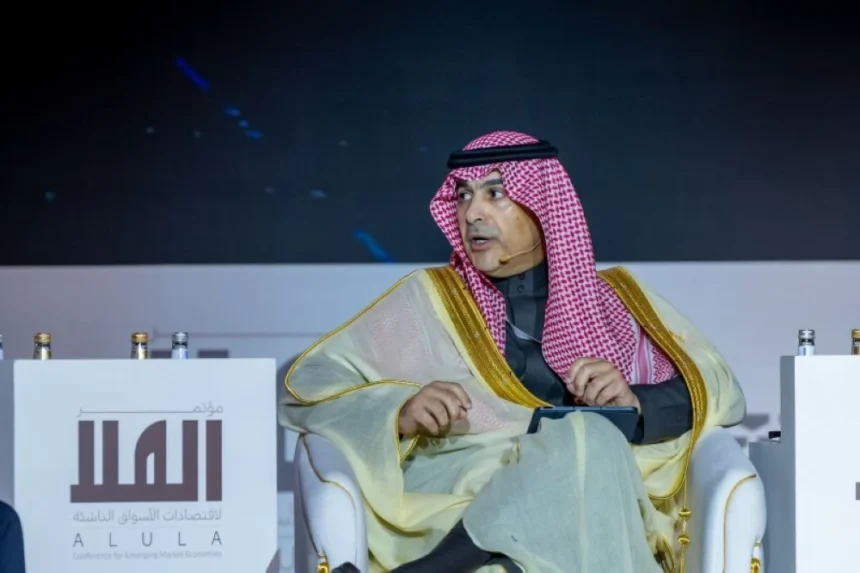
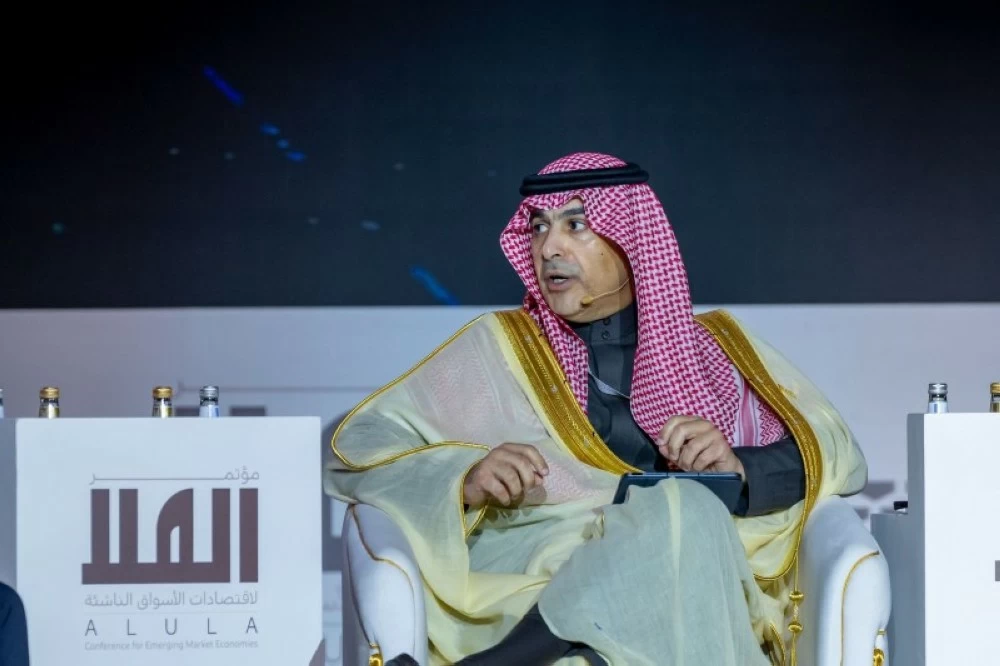
حذّر محافظ البنك المركزي السعودي أيمن السياري من تصاعد صدمات العالم التي تضرب النظام المالي العالمي، مؤكداً أنها لم تعد أحداثاً طارئة أو ظرفية، بل تحوّلت إلى صدمات متعددة الأبعاد وأكثر تكراراً، ما يعكس حالة عدم يقين هيكلية تفرض تحديات غير مسبوقة على الاقتصادات، خصوصاً الناشئة منها.
وأوضح السياري، خلال مشاركته في «مؤتمر العلا للاقتصادات الناشئة»، أن هذه الحالة تعود إلى أربعة عوامل رئيسية، تشمل التجزؤ الجيوسياسي، والتسارع الكبير في التطورات التكنولوجية، ولا سيما الذكاء الاصطناعي، وتقلبات أسعار السلع، إلى جانب النمو المتسارع للوساطة المالية غير المصرفية.
وأشار إلى أن آليات انتقال السياسات النقدية التقليدية بدأت تُظهر مؤشرات ضعف، مع تراجع دور القنوات المصرفية التقليدية، في وقت تجاوزت فيه أصول الوساطة المالية غير المصرفية 51 في المائة من إجمالي الأصول المالية العالمية، ما زاد من حساسية الأسواق لتقلبات السيولة، ورفع وتيرة الضغوط الناجمة عن طلبات تغطية الهوامش، وخصومات الضمانات، وعمليات خفض المديونية المتزامنة.
وبيّن أن الصدمات التي تواجه النظام المالي العالمي غالباً ما تكون خارجية بالنسبة للاقتصادات الناشئة، التي تعاني في الأصل تحديات داخلية تفاقم حدة التقلبات، لافتاً إلى أن هذه الاقتصادات تواجه هشاشة هيكلية ومؤسسية تقلل من قدرتها على امتصاص الصدمات، في ظل تصاعد التوترات الجيوسياسية، وتجزؤ التجارة، وارتفاع مستويات الدين وتكاليفه.
وأوضح أن التمييز بين الاقتصادات الأكثر مرونة وتلك الأكثر هشاشة يعتمد على عاملين رئيسيين؛ أولهما وجود أطر سياسات محلية متماسكة، نقدية ومالية وتنظيمية، تدعم الاستجابات المعاكسة للدورات الاقتصادية، وتحد من تقلب تدفقات رؤوس الأموال، وثانيهما توفر «ممتصات صدمات» فعالة، وفي مقدمتها احتياطيات كافية من النقد الأجنبي، إضافة إلى عمق الأسواق المالية، بما يشمل أسواق الدين ورأس المال وأسواق النقد.
وتطرق السياري إلى تجربة المملكة، مشيراً إلى اعتمادها على هوامش احتياطية أسهمت في الحفاظ على الاستقرار المالي واستقرار الأسواق، وأبرزت أهمية السياسات المعاكسة للدورات الاقتصادية في الحد من التقلبات، موضحاً أن تراكم الاحتياطيات خلال فترات النمو يُستخدم استراتيجياً لدعم ميزان المدفوعات والتخفيف من أثر تقلبات أسعار السلع.
وأضاف أن ربط الريال السعودي بالدولار الأمريكي أسهم في ترسيخ استقرار الأسعار، لافتاً إلى أن متوسط معدل التضخم في المملكة خلال السنوات الخمس الماضية ظل دون مستوى 3 في المائة.
وأكد السياري أن التعاون الدولي يظل عاملاً محورياً في مواجهة مواطن الضعف المستجدة، مشيراً إلى التقدم الذي حققه صانعو السياسات عالمياً، وأهمية تبادل الخبرات لتعزيز الجاهزية الرقابية والتنظيمية ودعم الاستقرار المالي العالمي.
واختتم محافظ البنك المركزي السعودي كلمته بالتأكيد على ثلاث أولويات للتعاون الدولي، تشمل تعزيز تبادل البيانات عبر الحدود لدعم الرقابة وتقييم مواطن الضعف، وتحقيق قدر أكبر من المواءمة والتشغيل البيني في تبني التقنيات الناشئة بما يحفظ الاستقرار المالي، وتسريع تبادل المعرفة لتحديث الأطر الرقابية والإشرافية.
The Governor of the Saudi Central Bank, Ayman Al-Sayari, warned of the escalating shocks from around the world that are hitting the global financial system, emphasizing that they are no longer just emergency or circumstantial events, but have transformed into multidimensional and more frequent shocks, reflecting a structural uncertainty that imposes unprecedented challenges on economies, especially emerging ones.
Al-Sayari explained, during his participation in the “AlUla Conference on Emerging Economies,” that this situation is attributed to four main factors, including geopolitical fragmentation, the rapid acceleration of technological developments, particularly artificial intelligence, fluctuations in commodity prices, and the accelerating growth of non-bank financial intermediation.
He pointed out that the mechanisms for transmitting traditional monetary policies have begun to show signs of weakness, with the role of traditional banking channels declining, at a time when non-bank financial intermediation assets have exceeded 51 percent of total global financial assets, increasing market sensitivity to liquidity fluctuations and raising the frequency of pressures resulting from margin coverage requests, collateral discounts, and concurrent debt reductions.
He indicated that the shocks facing the global financial system are often external to emerging economies, which already suffer from internal challenges that exacerbate the severity of fluctuations, noting that these economies face structural and institutional fragility that reduces their ability to absorb shocks amid rising geopolitical tensions, fragmented trade, and high levels of debt and its costs.
He clarified that the distinction between the most resilient economies and those that are more fragile depends on two main factors; the first is the existence of coherent local policy frameworks—monetary, fiscal, and regulatory—that support counter-cyclical responses and limit the volatility of capital flows, and the second is the availability of effective “shock absorbers,” foremost among them sufficient foreign exchange reserves, in addition to the depth of financial markets, including debt, capital, and money markets.
Al-Sayari touched on the experience of the Kingdom, pointing out its reliance on reserve margins that contributed to maintaining financial stability and market stability, highlighting the importance of counter-cyclical policies in reducing fluctuations, explaining that the accumulation of reserves during growth periods is strategically used to support the balance of payments and mitigate the impact of commodity price fluctuations.
He added that the peg of the Saudi riyal to the US dollar has contributed to cementing price stability, noting that the average inflation rate in the Kingdom over the past five years has remained below 3 percent.
Al-Sayari affirmed that international cooperation remains a pivotal factor in addressing emerging vulnerabilities, pointing to the progress made by policymakers globally and the importance of exchanging experiences to enhance regulatory and supervisory readiness and support global financial stability.
He concluded his speech by emphasizing three priorities for international cooperation, which include enhancing cross-border data exchange to support oversight and assess vulnerabilities, achieving greater alignment and interoperability in adopting emerging technologies to preserve financial stability, and accelerating knowledge exchange to update regulatory and supervisory frameworks.