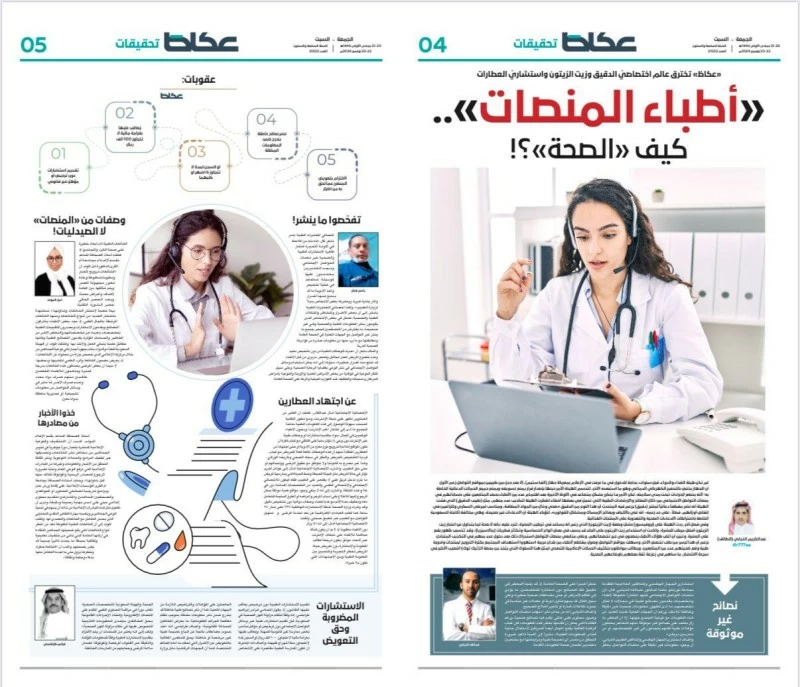
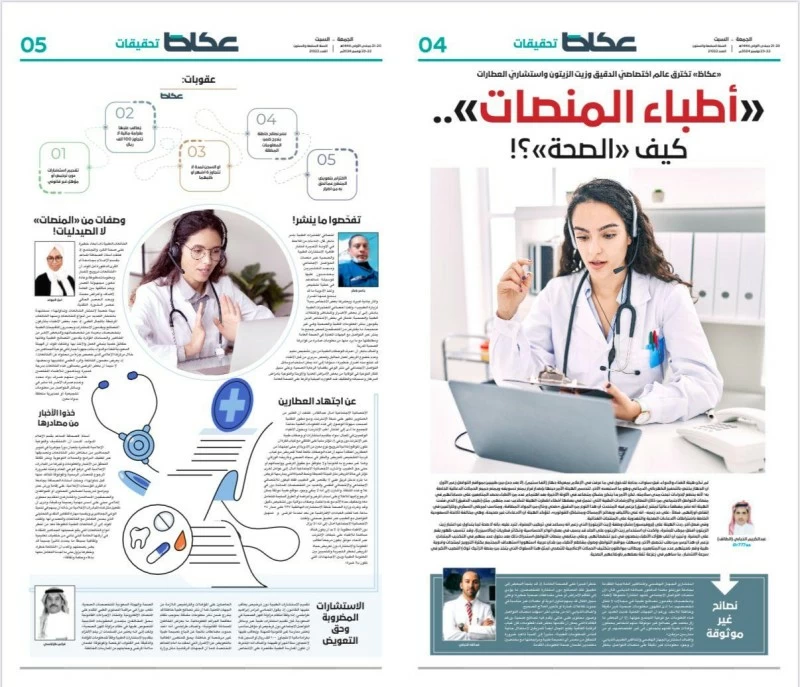
أعاد الجدل الطبي الذي اشتعل على منصات التواصل الاجتماعي حول أدوية الكوليسترول، مساء أمس الأول، التذكير بما تناولته «عكاظ» في تحقيقها المنشور في نوفمبر 2024 بعنوان «أطباء المنصات.. كيف الصحة؟»، والذي حذّر من مخاطر النقاشات الطبية غير المنضبطة وتأثيرها المحتمل على صحة المرضى.
وقد تفاقم الجدل بعد تداول لقاء لاستشاري أمراض التنفس اللواء الدكتور عبدالعزيز السيف، دعا فيه إلى التوقف عن استخدام أدوية الكوليسترول، معتبراً أنها غير ضرورية، ومحذراً من احتمال تسببها في مشكلات بالعضلات والذاكرة، مؤكداً أنه لا يصفها لمرضاه.
أدوية تؤدي إلى جلطات
في المقابل، ردّ الباحث في أمراض السرطان الدكتور فهد الخضيري، عبر منصة «X»، محذّراً من أن إيقاف هذه الأدوية قد يؤدي إلى جلطات وانسداد الشرايين، مستشهداً بحالة مريض توقّف عن العلاج فأصيب بمضاعفات خطيرة. وأوضح، أن الكبد ينتج ما بين 75 و80% من الكوليسترول في الدم، بينما لا تتجاوز نسبة ما يأتي من الغذاء 20%، وأن العوامل الوراثية تلعب دوراً أساسياً في ارتفاعه، ما يجعل العلاج الدوائي ضرورياً في كثير من الحالات وفق التقييم الطبي.
كما شارك استشاري أمراض القلب الدكتور خالد النمر في النقاش، مؤكداً عبر «X»، أن حبوب الكوليسترول لا تسبب الزهايمر كما يُشاع، بل تشير الدراسات إلى أن استخدام أدوية الستاتين يرتبط بانخفاض خطر الإصابة بالزهايمر والخرف بنسبة تراوح بين 15 و25%. وأضاف، أن عدم السيطرة على الكوليسترول الضار يزيد احتمالية الإصابة بهذه الأمراض، مشيراً إلى أن أدوية الستاتين والإنسولين واللقاحات وأدوية الضغط تُعد من العلاجات التي تسهم في خفض الوفيات، وتحرص الدول على تعزيز الالتزام بها.
آمنة ومعتمدة دولياً ومحلياً
من جانبها، أكدت وزارة الصحة، عبر موقعها الرسمي، أن أدوية الكوليسترول، بما فيها الستاتين، آمنة ومعتمدة دولياً ومحلياً من الهيئة العامة للغذاء والدواء، وتُستخدم للوقاية من أمراض القلب والجلطات وتقليل المضاعفات لدى المصابين بارتفاع الكوليسترول أو الأمراض المزمنة المرتبطة به.
تجريم تقديم الاستشارات دون ترخيص
وفي السياق ذاته، أوضح المحامي فراس طرابلسي، أن نظام مزاولة المهن الصحية في السعودية يجرّم تقديم الاستشارات الطبية دون ترخيص، ويعاقب عليها بغرامة تصل إلى 100 ألف ريال أو السجن لمدة تصل إلى ستة أشهر أو كليهما. كما أشار إلى أن نشر معلومات طبية مضللة قد يعرّض صاحبها للمساءلة وفق نظام مكافحة الجرائم المعلوماتية، إضافة إلى حق المتضررين في المطالبة بالتعويض عند وقوع الضرر.
The medical debate that erupted on social media platforms regarding cholesterol medications, the evening before last, reminded us of what “Okaz” discussed in its investigation published in November 2024 titled “Platform Doctors… How’s Health?”, which warned of the dangers of uncontrolled medical discussions and their potential impact on patient health.
The controversy intensified after a video circulated featuring respiratory diseases consultant Major General Dr. Abdulaziz Al-Saif, who called for a halt to the use of cholesterol medications, considering them unnecessary and warning of their potential to cause muscle and memory problems, affirming that he does not prescribe them to his patients.
Medications Leading to Strokes
In response, cancer researcher Dr. Fahd Al-Khudairi replied via the “X” platform, warning that stopping these medications could lead to strokes and arterial blockages, citing the case of a patient who stopped treatment and suffered serious complications. He explained that the liver produces between 75% and 80% of cholesterol in the blood, while the contribution from food does not exceed 20%, and that genetic factors play a fundamental role in its elevation, making pharmaceutical treatment necessary in many cases according to medical assessment.
Cardiologist Dr. Khalid Al-Nimr also participated in the discussion, confirming via “X” that cholesterol pills do not cause Alzheimer’s as rumored, but studies indicate that the use of statin medications is associated with a 15% to 25% reduction in the risk of developing Alzheimer’s and dementia. He added that uncontrolled harmful cholesterol increases the likelihood of developing these diseases, noting that statins, insulin, vaccines, and blood pressure medications are among the treatments that contribute to reducing mortality, and countries are keen to promote adherence to them.
Safe and Internationally and Locally Approved
For its part, the Ministry of Health confirmed through its official website that cholesterol medications, including statins, are safe and internationally and locally approved by the General Authority for Food and Drug, and are used to prevent heart diseases and strokes and to reduce complications in patients with high cholesterol or related chronic diseases.
Criminalizing Providing Consultations Without a License
In the same context, lawyer Firas Tarablsi clarified that the Health Professions Practice System in Saudi Arabia criminalizes providing medical consultations without a license, punishable by a fine of up to 100,000 riyals or imprisonment for up to six months, or both. He also pointed out that publishing misleading medical information could expose the publisher to accountability under the Anti-Cyber Crimes Law, in addition to the right of the harmed parties to claim compensation in the event of damage.