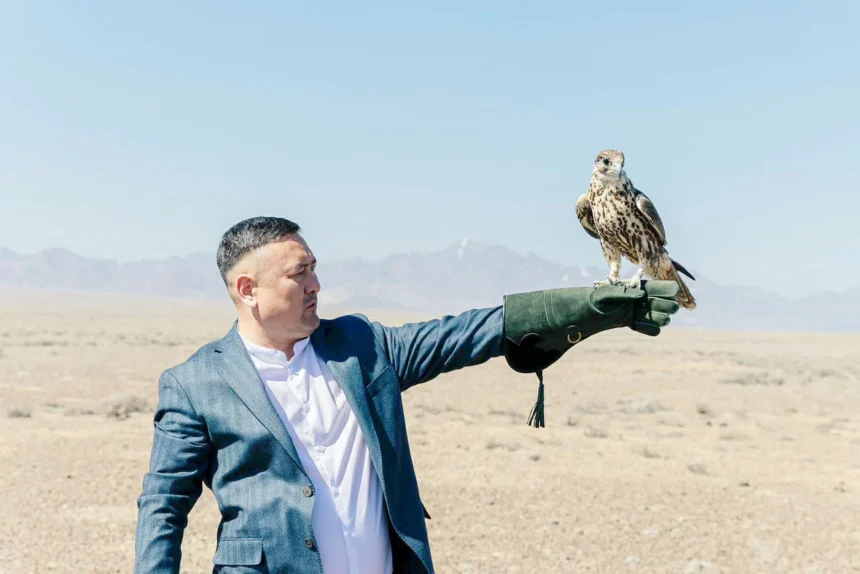
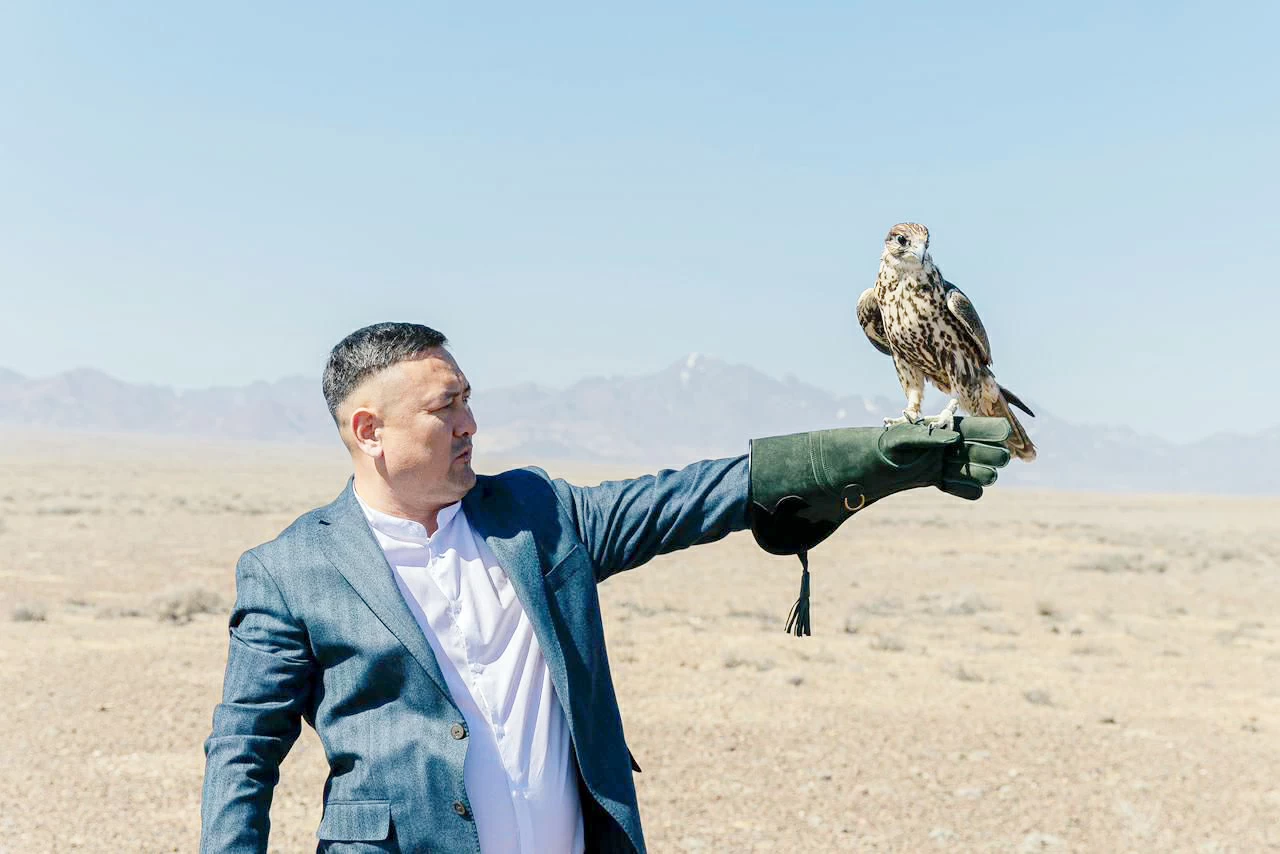
حامت الصقور السعودية في سماء دولة كازاخستان ضمن المسار الدولي لبرنامج هدد، الذي ينفذه نادي الصقور السعودي، والذي أطلق عدداً من الصقور من نوع (الحر) في جمهورية كازاخستان، استمراراً للجهود العلمية المتكاملة التي تستهدف إعادة توطين الصقور في موائلها الطبيعية، وتعزيز استقرارها وتكاثرها في الطبيعة.
وجرى تنفيذ الإطلاق في محمية ألتين إيميل الوطنية بكازاخستان، التي تم اختيارها وفق معايير بيئية وعلمية دقيقة، شملت ملاءمة البيئة الطبيعية، واتساع الموائل المفتوحة، ووفرة الفرائس، إلى جانب موقعها الذي يمثل موطناً طبيعياً للصقور خلال موسم التكاثر.
وشهد موقع الإطلاق حضور عدد من المسؤولين والمختصين من الجانبين السعودي والكازاخستاني، إذ ألقى نائب الرئيس التنفيذي لنادي الصقور السعودي أحمد الحبابي كلمة، أوضح فيها أنه استجابة للتحديات التي تواجه الصقور، لا سيما الصقر الحر الذي يعد من الكائنات الفطرية المهددة بالانقراض، أطلق نادي الصقور السعودي برنامج «هدد»، الذي يهدف إلى تعزيز استدامة الصقور ودعم الجهود البيئية التي تسهم في تكاثر الصقور في الطبيعة من خلال مسار محلي لإطلاق الشاهين الجبلي والوكري في بيئاتها داخل المملكة، ومسار دولي لإطلاق الصقور من نوعي الحر والشاهين البحري دولياً في بيئاتها خارج المملكة.
وأكد الحبابي، أهمية التعاون القائم بين الجهات المعنية في المملكة وجمهورية كازاخستان، مشيراً إلى أنه في ظل التحديات التي تواجه الصقور في الطبيعة جاء برنامج هدد استجابةً عمليةً وعلميةً لإعادة الصقور إلى مواطنها الطبيعية، تعزيزاً للتوازن الفطري ودعماً لاستدامة أنواع الصقور المهددة بالانقراض.
من جانبه، قدم محافظ منطقة كيربولاق جونس بيكوف جنت أومير بيكوف، شكره للمملكة العربية السعودية التي أعادت الحياة لسماء محمية ألتين إيميل بإطلاق الصقور، ودعمها الكريم لحمايتها من الانقراض، مشيراً إلى أن ذلك يعد هدية ثمينة للأجيال القادمة.
The Saudi falcons soared in the skies of Kazakhstan as part of the international path of the Hudad program, implemented by the Saudi Falcon Club, which released several falcons of the (Hur) type in the Republic of Kazakhstan. This continues the comprehensive scientific efforts aimed at reintroducing falcons into their natural habitats and enhancing their stability and reproduction in the wild.
The release took place in the Altai Mountains National Reserve in Kazakhstan, which was chosen based on precise environmental and scientific criteria, including the suitability of the natural environment, the expanse of open habitats, and the abundance of prey, along with its location, which represents a natural habitat for falcons during the breeding season.
The launch site witnessed the presence of several officials and specialists from both the Saudi and Kazakh sides. Ahmad Al-Habbabi, the Deputy CEO of the Saudi Falcon Club, delivered a speech in which he explained that in response to the challenges facing falcons, particularly the Hur falcon, which is considered a threatened species, the Saudi Falcon Club launched the “Hudad” program. This program aims to enhance the sustainability of falcons and support environmental efforts that contribute to the reproduction of falcons in nature through a local path for releasing the mountain peregrine and the lanner falcon in their environments within the Kingdom, and an international path for releasing the Hur and the marine peregrine falcons internationally in their environments outside the Kingdom.
Al-Habbabi emphasized the importance of the cooperation between the relevant parties in the Kingdom and the Republic of Kazakhstan, noting that in light of the challenges facing falcons in nature, the Hudad program came as a practical and scientific response to reintroducing falcons to their natural habitats, enhancing ecological balance, and supporting the sustainability of endangered falcon species.
For his part, the Governor of the Kirov Region, Jons Bekov Jent Umir Bekov, expressed his gratitude to the Kingdom of Saudi Arabia for bringing life back to the skies of the Altai Mountains Reserve by releasing the falcons and its generous support to protect them from extinction, pointing out that this is a precious gift for future generations.