
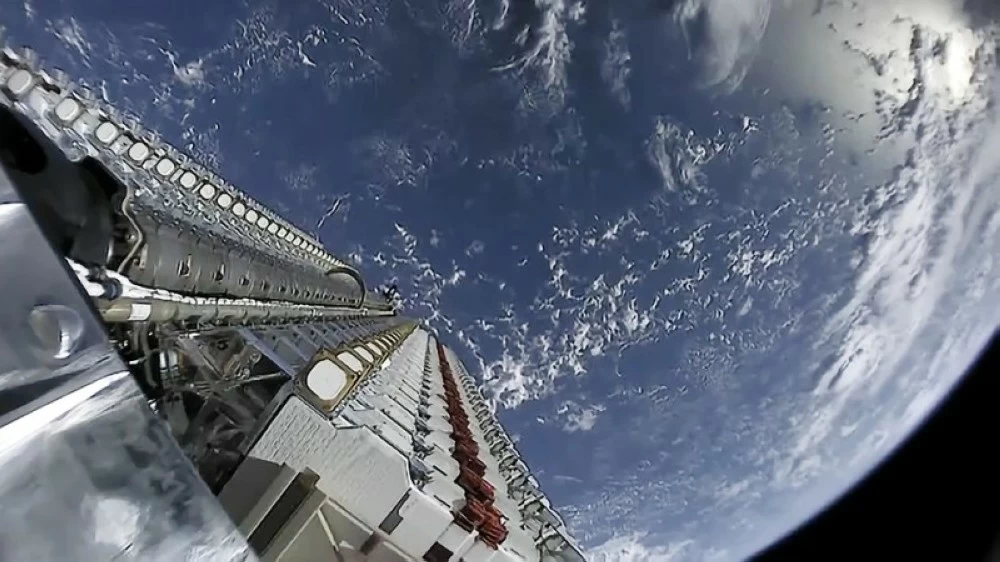
كشفت الصين أخيرا عن منظومة صاروخية متطورة مضادة للأقمار الصناعية، قادرة على استهداف شبكات فضائية حيوية مثل ستارلينك، في تطور قد يعيد رسم موازين الصراع حول تايوان ويضع قدرات الردع الفضائي الأميركية وحلفائها تحت اختبار حقيقي.
سلاح بلا انفجار
ووفقًا لصحيفة آسيا تايمز، يمثل نظام TPG1000C نقلة نوعية في تقنيات الموجات الدقيقة عالية الطاقة (HPM)، حيث يعتمد على تعطيل الأنظمة الفضائية والإلكترونية دون تدمير مادي مباشر، ما يجعله سلاحًا غير حركي عالي التأثير.
منصة متنقلة فائقة القوة
تم تطوير النظام في معهد شمال غرب التكنولوجيا النووية بمدينة شيآن، ويزن نحو خمسة أطنان بطول يقارب أربعة أمتار، مع قابلية نشره على الشاحنات والسفن والطائرات، بل وحتى في الفضاء مستقبلاً.
طاقة غير مسبوقة
يستطيع TPG1000C توليد طاقة تصل إلى 20 جيجاوات لمدة 60 ثانية، مع إطلاق أكثر من 3000 نبضة كهرومغناطيسية في تشغيل واحد، متجاوزًا بفارق كبير قدرات الأنظمة السابقة المحدودة النطاق والتأثير.
كيف يعطّل العدو؟
تعتمد أسلحة HPM على رفع الجهد والتيار داخل الدوائر الإلكترونية بشكل مدمر، ما يؤدي إلى تعطيل دائم أو تدمير كامل للمكونات الحساسة، بدل الاكتفاء بالتشويش المؤقت.
تايوان في قلب الاستهداف
قد يلعب هذا السلاح دورًا حاسمًا في أي تحرك عسكري صيني ضد تايوان، عبر شل مراكز القيادة والسيطرة، ومنشآت الرادار، وأنظمة الدفاع الصاروخي، إضافة إلى شبكات الطاقة والاتصالات.
حرب أنظمة لا معارك
من المتوقع تنسيق هذه الضربات مع هجمات سيبرانية مكثفة، في إطار انتقال الصين من مفهوم معدات ضد معدات إلى نظام ضد نظام، ضمن عقيدة حرب الأنظمة متعددة المجالات (MDPW) التي تدمج البر والبحر والجو والفضاء والمجالين السيبراني والكهرومغناطيسي.
الرد الغربي
تمتلك الولايات المتحدة وحلفاؤها تقنيات للحد من هذا التهديد، مثل الملاحة بالقصور الذاتي الكمومي، والساعات الذرية، ومقاييس الجاذبية والمغناطيسية، لتقليل الاعتماد على إشارات GPS القابلة للتشويش.
معادلة الردع الجديدة
ويرى خبراء أن التركيز يجب أن ينصب على المرونة والتكرار والوعي الفضائي بدل محاولة إحباط كل هجوم على حدة، مع اعتماد ثلاث إستراتيجيات ردع:
ردع بالإنكار، وردع مختلط، وردع هجومي، جميعها تقوم على إبقاء خيارات الرد متعددة المجالات وتعزيز التعاون مع الحلفاء لضمان استقرار الفضاء.
China has finally unveiled an advanced anti-satellite missile system capable of targeting vital space networks like Starlink, in a development that could reshape the balance of conflict over Taiwan and put the space deterrence capabilities of the United States and its allies to a real test.
Weapon without an explosion
According to Asia Times, the TPG1000C system represents a qualitative leap in high-power microwave (HPM) technologies, as it relies on disrupting space and electronic systems without direct physical destruction, making it a high-impact non-kinetic weapon.
Super-powerful mobile platform
The system was developed at the Northwest Institute of Nuclear Technology in Xi’an, weighing about five tons and measuring nearly four meters in length, with the capability to be deployed on trucks, ships, and aircraft, and even in space in the future.
Unprecedented energy
The TPG1000C can generate power of up to 20 gigawatts for 60 seconds, releasing over 3,000 electromagnetic pulses in a single operation, significantly surpassing the limited range and impact of previous systems.
How does it disrupt the enemy?
HPM weapons rely on raising voltage and current within electronic circuits destructively, leading to permanent disruption or complete destruction of sensitive components, rather than merely causing temporary jamming.
Taiwan at the heart of targeting
This weapon could play a crucial role in any Chinese military move against Taiwan, by incapacitating command and control centers, radar facilities, missile defense systems, as well as power and communication networks.
War of systems, not battles
These strikes are expected to be coordinated with intensive cyberattacks, as China transitions from a concept of equipment against equipment to a system against system, within the multi-domain warfare doctrine (MDPW) that integrates land, sea, air, space, and the cyber and electromagnetic domains.
Western response
The United States and its allies possess technologies to mitigate this threat, such as quantum inertial navigation, atomic clocks, and gravity and magnetic sensors, to reduce reliance on GPS signals that can be jammed.
The new deterrence equation
Experts believe that the focus should be on resilience, redundancy, and space awareness rather than attempting to thwart every attack individually, employing three deterrence strategies:
Denial deterrence, mixed deterrence, and offensive deterrence, all of which are based on keeping multi-domain response options open and enhancing cooperation with allies to ensure stability in space.