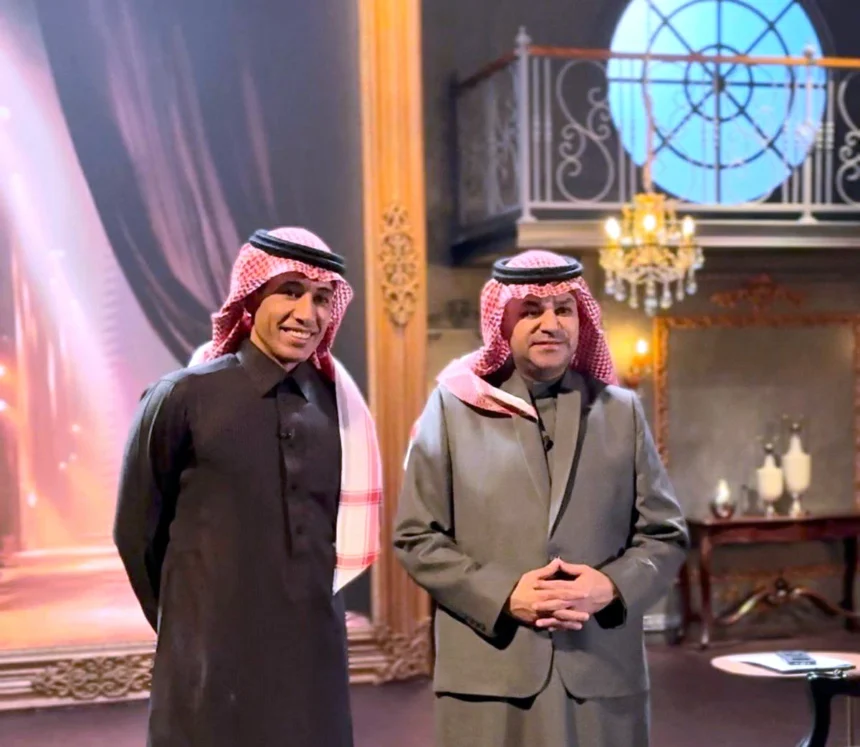
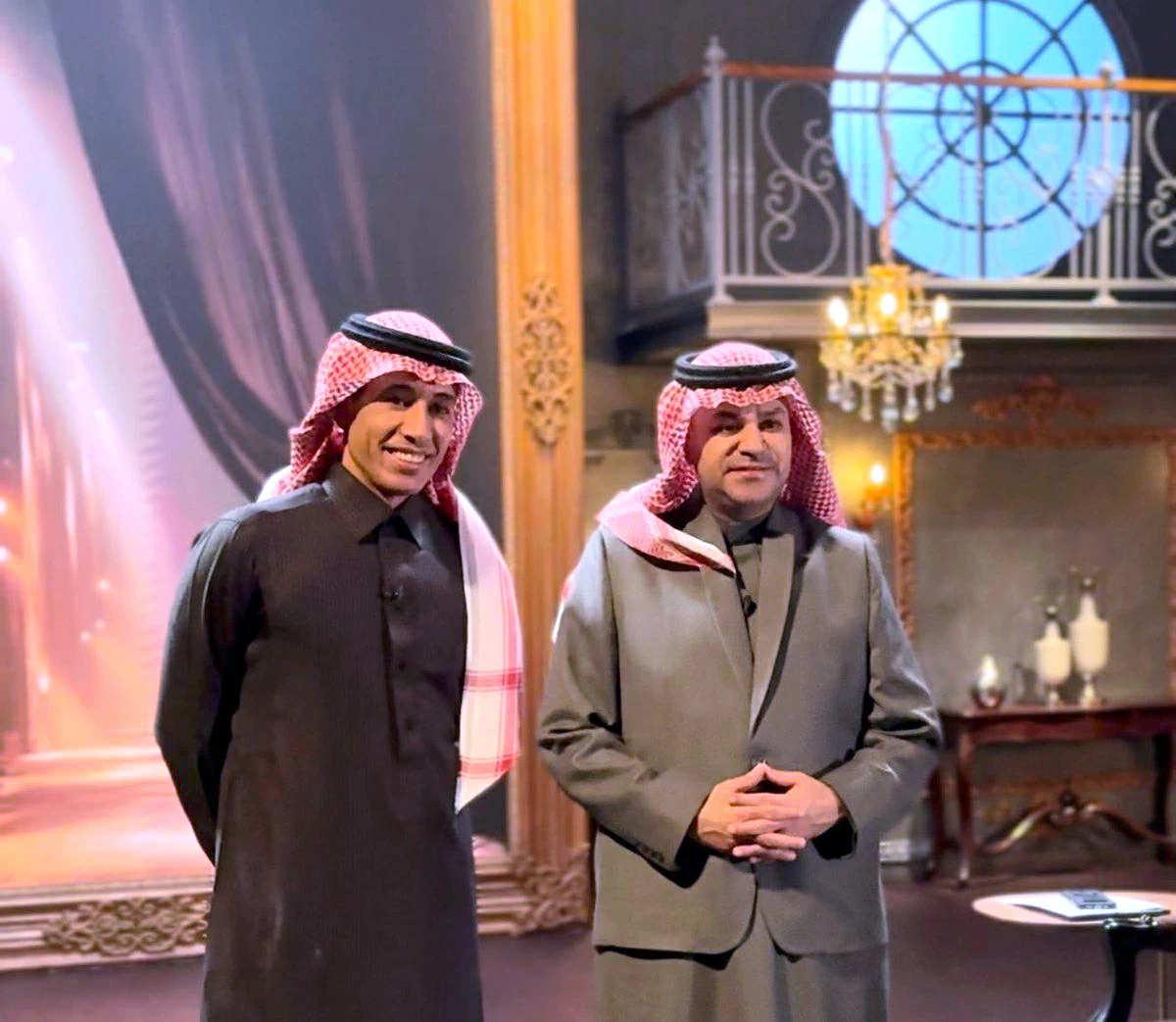
الصدى الذي أحدثته حلقات برنامج مسرح الحياة مع الزميل علي العلياني، امتد ليصبح مادة نقاش متداولة في المنصات الإعلامية ووسائل التواصل، بعدما تحولت بعض مقاطع الحلقات إلى لحظات حديث في الوسط الإعلامي وبين الجمهور.
هذا التفاعل ارتبط، في جانب كبير منه، بطريقة إدارة الحوار؛ إذ يعتمد أسلوباً يقوم على استحضار التجربة الإنسانية للضيف، لا الاكتفاء باستعراض مسيرته المهنية.
لذلك، بدت الحلقات أقرب إلى استعادة سيرة كاملة، تتقاطع فيها البدايات مع التحولات، والنجاحات مع المواقف التي صنعت مسار الضيف.
ومن بين الحلقات التي لاقت صدى واسعاً حلقة الإعلامي الرياضي بتال القوس، التي تحولت مقاطع منها إلى مادة تداول بين المتابعين، بعدما استعاد خلالها تاريخاً ثرياً ورؤى مختلفة.
وفي تلك الحلقة بدا العلياني حريصاً على إعادة القوس إلى تلك اللحظة الأولى في مسيرته؛ لحظة العمل الميداني بين المدرجات وغرف الملابس، حيث كان المراسل أقرب إلى نبض الحدث قبل أن يصبح جزءاً من صناعة الرأي الرياضي. ومن خلال هذا المسار السردي، انتقل الحوار تدريجياً من البدايات المهنية إلى قراءة التحولات التي شهدها الإعلام الرياضي في السعودية خلال السنوات الماضية.
هذه القدرة على إعادة الضيف إلى جذور تجربته هي ما يمنح البرنامج حضوره المختلف؛ فالعلياني لا يكتفي بإدارة الحوار، بل يقود الضيف إلى استعادة محطات قد تبدو بعيدة زمناً لكنها تفسّر كثيراً من ملامح حضوره اليوم.
ولهذا بدت أصداء «مسرح الحياة» أوسع من مجرد برنامج حواري؛ لأنها تعكس أسلوباً إعلامياً يقوم على الإصغاء العميق، وعلى طرح الأسئلة التي تعيد ترتيب القصة من بدايتها، حيث تبدأ الحكاية غالباً من تفصيلة صغيرة… لكنها تشرح المسار كله.
The echo created by the episodes of the “Theater of Life” program with colleague Ali Al-Alyani has extended to become a topic of discussion circulating in media platforms and social networks, after some clips from the episodes turned into moments of conversation in the media sphere and among the audience.
This interaction is largely linked to the way the dialogue is managed; it relies on a style that evokes the guest’s human experience rather than merely showcasing their professional journey.
Therefore, the episodes appeared to be more like a complete biography, where beginnings intersect with transformations, and successes with the moments that shaped the guest’s path.
Among the episodes that resonated widely is the one featuring sports journalist Batal Al-Qus, whose clips became widely shared among followers after he revisited a rich history and offered different perspectives.
In that episode, Al-Alyani seemed keen to take Al-Qus back to that first moment in his career; the moment of fieldwork between the stands and the locker rooms, where the reporter was closer to the pulse of the event before becoming part of the sports opinion-making process. Through this narrative path, the dialogue gradually shifted from professional beginnings to an exploration of the transformations witnessed by sports media in Saudi Arabia over the past years.
This ability to reconnect the guest to the roots of their experience is what gives the program its unique presence; for Al-Alyani does not merely manage the dialogue, but leads the guest to recall moments that may seem temporally distant yet explain many aspects of their presence today.
Thus, the echoes of “Theater of Life” appeared to be broader than just a talk show; they reflect a media style based on deep listening and on asking questions that rearrange the story from the beginning, where the tale often starts from a small detail… yet it explains the entire trajectory.