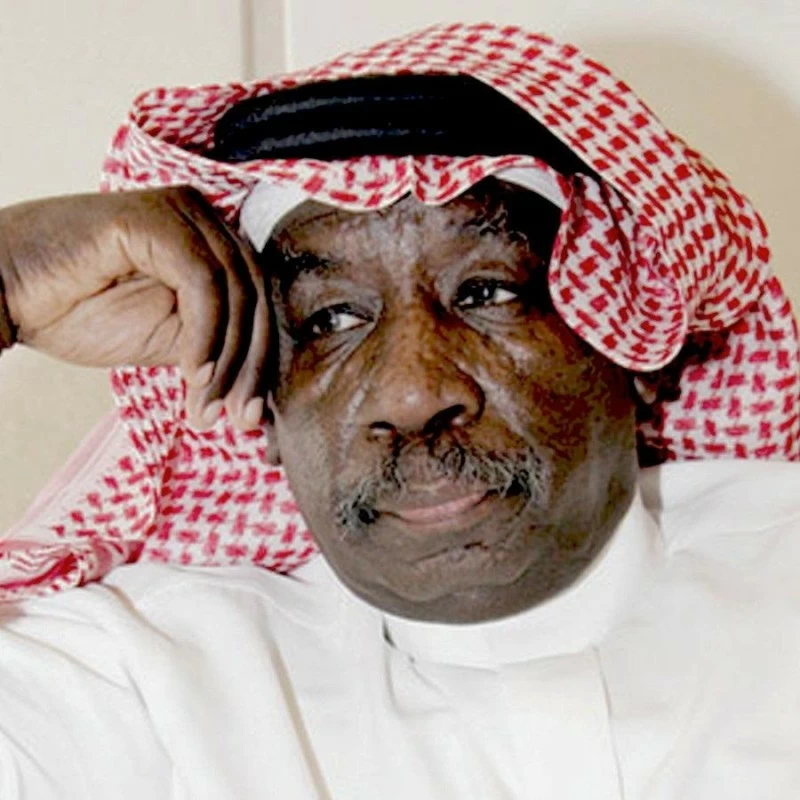
أعاد حديث للفنان سعد خضر إلى الواجهة اسم الراحل الدكتور عبدالرحمن الشبيلي أحد روّاد الإعلام السعودي، بعدما أثار جدلًا واسعًا برواية تعود إلى أكثر من خمسين عامًا، اعتبرتها أسرة الشبيلي إساءة صريحة لا تمتّ إلى سيرته بصلة.
القصة التي طُرحت في سياق استرجاع ذكريات قديمة وموقف تعرض له الفنان يحمل دلالة عنصرية متعالية–بحسب ما ذكر–تحولت سريعًا إلى عاصفة انتقاد، بعدما خرجت ابنته شادن الشبيلي بردّ حاد وصفت فيه ما قيل بأنه «هراء وافتراء وتطاول على القامات والأموات»، مؤكدة أن والدها لم يكن يومًا بذيء اللسان أو صاحب أسلوب فج، وأن مسيرته المهنية عُرفت بالأدب والرقي ومحاربة العنصرية ودعم المواهب الشابة.
وشددت على أن تاريخ الشبيلي في إدارة الإعلام وصناعة برامجه لا يمكن اختزاله في رواية فردية متناقضة، معتبرة أن البحث عن«الترند» لا يبرر المساس بسمعة من رحلوا، ولا ينسجم مع أخلاقيات المهنة.
موجة الغضب لم تتوقف عند الأسرة. الكاتب إدريس الدريس أكد أن من عرف الشبيلي يعرف فيه «الأدب الجم وعفة اللسان»، فيما قال الأكاديمي الدكتور عبدالواحد الحميد إن القصة تتناقض مع ما عرفه عنه طوال أكثر من أربعين عامًا من سلوك مهذب ونظافة يد ولسان وحرص على مساعدة الآخرين.
الجدل هنا يتجاوز خلافًا بين رواية وذاكرة بحسب كثيرين، إلى سؤال أعمق هل يملك الضيف سعد خضر حق سرد أي واقعة قديمة دون توثيق أو تدقيق؟!
استحضار أسماء الراحلين يفرض مسؤولية مضاعفة بين شهادة فردية متأخرة، ودفاع يستند إلى تاريخ طويل من العمل الإعلامي، تبقى المسألة محل جدل بين رواية لم تصمد أمام سيرة رجل ارتبط اسمه ببدايات الإعلام السعودي وريادته، وبين إنسان غائب عن هذه الدنيا ولا يملك حق الدفاع عن النفس، وفي كلتا الحالتين طالبوا سعد خضر بالاعتذار.. فهل يفعل؟!
A recent discussion by artist Saad Khadr has brought back to the forefront the name of the late Dr. Abdulrahman Al-Shubaily, one of the pioneers of Saudi media, after he sparked widespread controversy with a narrative dating back more than fifty years, which the Al-Shubaily family deemed a blatant insult that has no connection to his legacy.
The story, which was presented in the context of recalling old memories and an incident involving the artist that carries a condescending racial implication—according to what was mentioned—quickly turned into a storm of criticism, after his daughter Shaden Al-Shubaily responded sharply, describing what was said as “nonsense, slander, and an affront to the dignitaries and the deceased.” She emphasized that her father was never foul-mouthed or had a crude style, and that his professional career was known for its decency, sophistication, and fight against racism while supporting young talents.
She stressed that Al-Shubaily’s history in media management and program production cannot be reduced to a contradictory individual narrative, considering that the pursuit of “trending” does not justify harming the reputation of those who have passed away, nor does it align with the ethics of the profession.
The wave of anger did not stop with the family. Writer Idris Al-Drees confirmed that anyone who knew Al-Shubaily recognizes in him “immense decency and a pure tongue,” while academic Dr. Abdulwahid Al-Humaid stated that the story contradicts what he has known about him for over forty years of polite behavior, integrity, and a commitment to helping others.
The controversy here goes beyond a disagreement between a narrative and memory, according to many, to a deeper question: Does guest Saad Khadr have the right to recount any old incident without documentation or verification?!
Bringing up the names of the deceased imposes a dual responsibility between a delayed individual testimony and a defense based on a long history of media work, leaving the matter open to debate between a narrative that did not withstand the legacy of a man whose name is associated with the beginnings of Saudi media and its leadership, and a person who is absent from this world and cannot defend himself. In both cases, they called on Saad Khadr to apologize… will he do it?!