

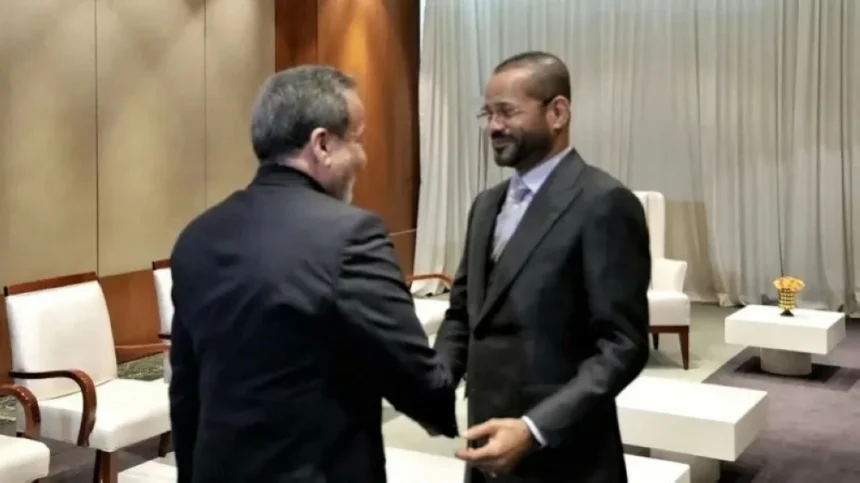
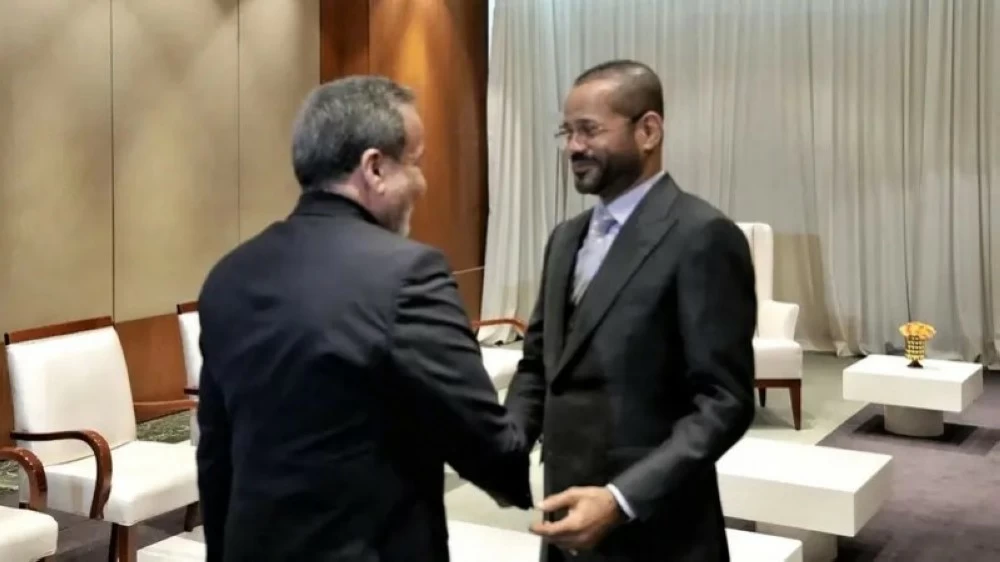
فيما انطلقت الجولة الثانية من المفاوضات الأمريكية – الإيرانية في جنيف اليوم (الثلاثاء)، بوساطة عمانية، جددت إيران التأكيد على موقفها الرافض للتفاوض حول القضايا الدفاعية، وفي مقدمتها صواريخها الباليستية، واستبعدت تقديم تنازلات.
وأكد مسؤول إيراني رفيع أن وفد بلاده لن يتفاوض حول المسائل الدفاعية بل حول الملف النووي فقط.
وشدد مساعد وزير الخارجية الإيراني للشؤون السياسية، مجيد تخت روانجي على ضرورة التيقظ، قائلاً: «علينا أن ننتبه حتى لا نُلدغ من الجحر ذاته مرتين»، وفق ما نقلت وسائل إعلام إيرانية.
وقال «إذا كان الطرف المقابل، يعتقد واهماً أنه يستطيع انتزاع تنازلات من إيران عبر الضغوط، فعلينا أن نثبت له عملياً أنه يعيش وهماً».
وأضاف نائب رئيس لجنة الأمن القومي والسياسة الخارجية في البرلمان الإيراني عباس مقتدایي: «نظرا إلى سجل المراوغة والخداع في السياسة الخارجية الأمريكية، يتعين على إيران الدخول في المفاوضات بدقة حتى لا تترتب أي مشكلات على البلاد».
واعتبر أن على الجانب الأمريكي رفع العقوبات، مؤكداً أن بلاده مستعدة أيضا لضبط نسبة التخصيب بما يتناسب مع الاتفاق، مقابل الامتيازات التي ستحصل عليها. ولفت إلى أن قوة إيران بعد حرب الـ 12 يوما لم تتراجع بل ازدادت، وفق قوله.
وكان روانجي قال في مقابلة مع هيئة الإذاعة البريطانية: إن بلاده مستعدة للنظر في تقديم تنازلات من أجل التوصل إلى اتفاق نووي مقابل رفع العقوبات. واعتبر أن الكرة الآن في ملعب أمريكا لإثبات رغبتها في إبرام اتفاق.
وعقد وزير الخارجية الإيراني عباس عراقجي والمبعوث الأمريكي الخاص ستيف ويتكوف مفاوضات غير مباشرة في السفارة العمانية، بحضور وزير الخارجية العماني بدر البو سعيدي، وفق ما أفاد التلفزيون الإيراني.
وكانت جولة أولى من المحادثات بين ممثلين عن إيران والولايات المتحدة عقدت في عُمان في السادس من فبراير، ووصفت بالإيجابية.
وتسعى واشنطن منذ سنوات إلى منع الحكومة الإيرانية من امتلاك أسلحة نووية. فيما أشارت طهران إلى استعدادها لتقييد برنامجها النووي مقابل رفع واشنطن العقوبات الاقتصادية القاسية.
As the second round of American-Iranian negotiations began today (Tuesday) in Geneva, mediated by Oman, Iran reiterated its refusal to negotiate on defense issues, primarily its ballistic missiles, and ruled out making concessions.
An Iranian senior official confirmed that his country’s delegation would not negotiate on defense matters but only on the nuclear file.
Iran’s Assistant Foreign Minister for Political Affairs, Majid Takht-Ravanchi, emphasized the need for vigilance, stating: “We must be careful not to be bitten by the same snake twice,” according to Iranian media reports.
He said, “If the other party mistakenly believes it can extract concessions from Iran through pressure, we must practically prove to them that they are living in a delusion.”
Abbas Moqtadaei, Deputy Chairman of the National Security and Foreign Policy Committee in the Iranian Parliament, added: “Given the record of evasion and deception in American foreign policy, Iran must enter negotiations with precision to avoid any problems for the country.”
He considered that the American side should lift sanctions, affirming that his country is also ready to adjust the enrichment level in accordance with the agreement, in exchange for the benefits it will receive. He pointed out that Iran’s strength after the 12-day war has not diminished but has increased, according to his statement.
Ravanchi had said in an interview with the BBC that his country is ready to consider making concessions to reach a nuclear agreement in exchange for lifting sanctions. He considered that the ball is now in America’s court to prove its willingness to conclude an agreement.
Iranian Foreign Minister Abbas Araghchi and U.S. Special Envoy Steve Biegun held indirect negotiations at the Omani embassy, with the presence of Omani Foreign Minister Badr Al-Busaidi, according to Iranian television.
A first round of talks between representatives of Iran and the United States was held in Oman on February 6 and was described as positive.
Washington has been trying for years to prevent the Iranian government from acquiring nuclear weapons, while Tehran has indicated its readiness to limit its nuclear program in exchange for the lifting of harsh economic sanctions by Washington.