


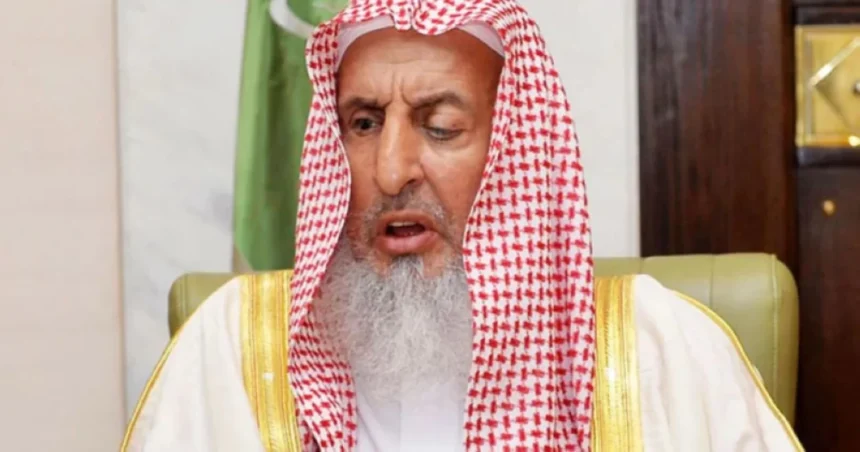
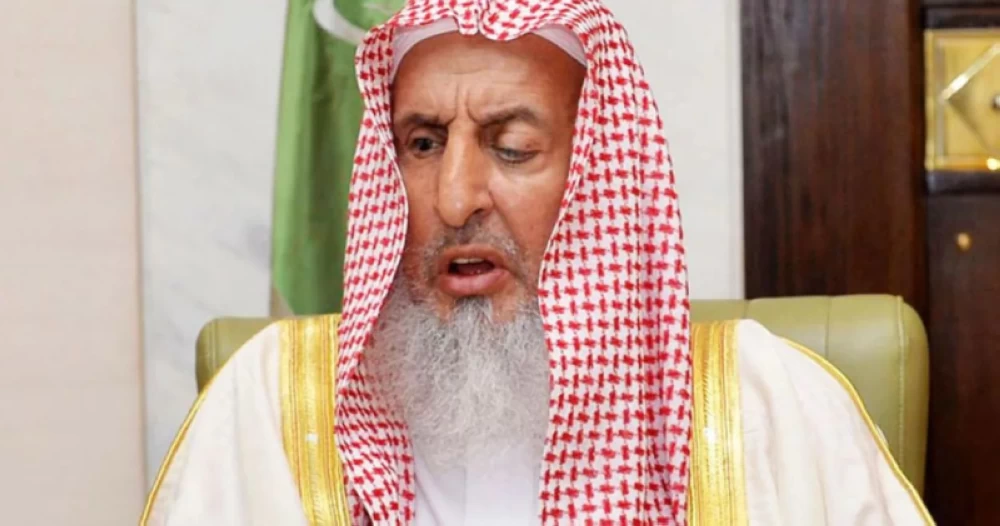
عاش الشيخ عبدالعزيز آل الشيخ في كنف العلم، رغم تيتّمه في وقت مبكر من عمره، فقد والده عام 1951 وهو لم يتجاوز الثامنة من عمره، وعكف على تلقي القرآن الكريم حتى أتم حفظه صغيراً، ليعقبه فقد بصره في العشرين من عمره، غير أن تلك العقبات لم توقفه عن نهل العلم من أطرافه قاطبة.
أصبح آل الشيخ ثالث مفتٍ عام في تاريخ المملكة، بعد الشيخ محمد بن إبراهيم آل الشيخ، والشيخ عبدالعزيز بن باز، (رحمهم الله).
وأمضى من عمره 35 عاماً خطيباً ليوم عرفة، حيث تشرئب الأعناق في ذلك اليوم طامعة في العفو من رب العباد.
ويعود تاريخ ولادة الشيخ عبدالعزيز آل الشيخ إلى نوفمبر من عام 1943 في مكة المكرمة، تلقى العلوم الشرعية على أيدي مجموعة من العلماء الكبار، مثل الشيخ محمد بن إبراهيم آل الشيخ، والشيخ عبدالعزيز بن باز، والشيخ عبدالعزيز الشثري.
وانخرط في دراسة العلوم الشرعية، على يد كبار علماء العصر في ذلك الوقت، لا سيما ممن سبقه بتولي منصب المفتي العام للسعودية، إذ قضى الكثير من الوقت في تلقي العلم على يد كلٍّ من الشيخ محمد بن إبراهيم آل الشيخ، والشيخ عبدالعزيز بن باز.
ورغم فقده بصره في العشرينات من عمره، لكن دأبه على طلب العلم، مكّنه من الانطلاق في حياة علمية وعملية زاخرة، جمعت بين طلب العلم على يد علماء عصره والالتحاق بالمدارس النظامية، إذ التحق بمعهد إمام الدعوة العلمي بالرياض عام 1374هـ، ثم بكلية الشريعة بالرياض التابعة لجامعة الإمام محمد بن سعود الإسلامية عام 1380هـ، وتخرج فيها متخصصاً في العربية وعلوم الشريعة عام 1383-1384هـ.
بدأ مسيرته بالتدريس
أهلته مسيرته في تلقي العلم، إلى تولي مهمات متعددة، بدأت بالعمل على التدريس منذ عام 1384هـ في معهد إمام الدعوة العلمي بالرياض لمدة ثماني سنوات، قبل أن ينتقل إلى كلية الشريعة بالرياض ليعمل فيها أستاذاً مساعداً عام 1399هـ، ثم أستاذاً مشاركاً عام 1400هـ، إضافة إلى التدريس بالمعهد العالي للقضاء، وخلال ذلك، تولى الإمامة والخطابة في جامع الشيخ محمد بن إبراهيم بدخنة بالرياض، ثم جامع الإمام تركي بن عبدالله.
وفي عام 1402هـ، عُين إماماً وخطيباً بمسجد نمرة بعرفة، وهو أشهر خطباء عرفة، فقد واظب على إلقاء خطبة عرفة على مدى 35 عاماً، خلال الفترة من عام 1982 حتى 2015.
وفي عام 1407هـ أصبح عضواً في هيئة كبار العلماء، وعضواً متفرغاً في اللجنة الدائمة للبحوث العلمية والإفتاء عام 1412هـ. وفي عام 1416هـ، صدر أمر ملكي بتعيينه نائباً للمفتي العام للمملكة، ثم عُين مفتياً عاماً ورئيساً لهيئة كبار العلماء ورئيساً للرئاسة العامة للبحوث العلمية والإفتاء بمرتبة وزير في 29 محرم 1420هـ بعد وفاة المفتي السابق عبدالعزيز بن باز.
Sheikh Abdulaziz Al Sheikh lived in the embrace of knowledge, despite being orphaned at an early age, having lost his father in 1951 when he was not yet eight years old. He dedicated himself to memorizing the Holy Quran and completed it at a young age, only to lose his sight at the age of twenty. However, these obstacles did not stop him from seeking knowledge from all its sources.
Al Sheikh became the third Grand Mufti in the history of the Kingdom, following Sheikh Muhammad bin Ibrahim Al Sheikh and Sheikh Abdulaziz bin Baz (may Allah have mercy on them).
He spent 35 years of his life as the preacher on the Day of Arafah, a day when many people yearn for forgiveness from the Lord of the worlds.
Sheikh Abdulaziz Al Sheikh was born in November 1943 in Mecca. He received religious education from a group of prominent scholars, such as Sheikh Muhammad bin Ibrahim Al Sheikh, Sheikh Abdulaziz bin Baz, and Sheikh Abdulaziz Al Shathri.
He engaged in studying religious sciences under the guidance of the great scholars of his time, especially those who preceded him in holding the position of Grand Mufti of Saudi Arabia, spending much time learning from both Sheikh Muhammad bin Ibrahim Al Sheikh and Sheikh Abdulaziz bin Baz.
Despite losing his sight in his twenties, his dedication to seeking knowledge enabled him to embark on a rich academic and practical life, combining the pursuit of knowledge under the scholars of his era with enrollment in formal schools. He joined the Imam Muhammad bin Saud Islamic University in Riyadh in 1374 AH, and then the College of Sharia in Riyadh, graduating with a specialization in Arabic and Sharia sciences in 1383-1384 AH.
He began his career in teaching
His journey in acquiring knowledge qualified him for various responsibilities, starting with teaching at the Imam Muhammad bin Saud Islamic University in Riyadh from 1384 AH for eight years, before moving to the College of Sharia in Riyadh to work as an assistant professor in 1399 AH, and then as an associate professor in 1400 AH. Additionally, he taught at the Higher Judicial Institute, and during this time, he held the position of imam and preacher at Sheikh Muhammad bin Ibrahim Mosque in Dakhna, and then at Imam Turki bin Abdullah Mosque.
In 1402 AH, he was appointed as the imam and preacher at Namira Mosque in Arafah, becoming one of the most famous preachers of Arafah. He consistently delivered the Arafah sermon for 35 years, from 1982 to 2015.
In 1407 AH, he became a member of the Council of Senior Scholars and a full-time member of the Permanent Committee for Scientific Research and Ifta in 1412 AH. In 1416 AH, a royal decree appointed him as the Deputy Grand Mufti of the Kingdom, and he was later appointed as the Grand Mufti, President of the Council of Senior Scholars, and President of the General Presidency for Scientific Research and Ifta with the rank of Minister on 29 Muharram 1420 AH after the death of the previous mufti, Abdulaziz bin Baz.