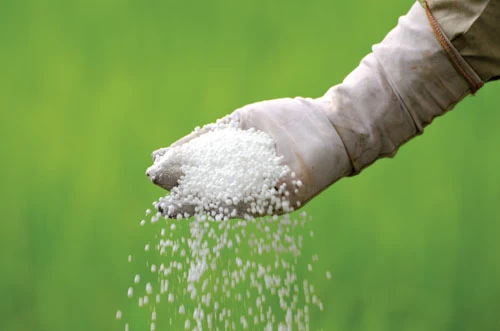
علّقت روسيا مؤقتاً صادرات نترات الأمونيوم، ما يضيق أكثر الإمدادات العالمية من مغذيات المحاصيل التي تعاني بالفعل من ضغوط بسبب حرب إيران.
وأفادت وكالة أنباء أن وزارة الزراعة أوقفت الصادرات خلال الفترة من 21 مارس إلى 21 أبريل، وذلك نقلاً عن بيان حكومي، مع استثناء الإمدادات الموردة بموجب الاتفاقيات الحكومية بين الدول.
وقالت الوزارة: «سيسمح تعليق الصادرات بإعطاء الأولوية لتوريد السوق المحلية خلال موسم الزراعة الربيعية، ويضمن إمدادها دون انقطاع وسط ارتفاع الطلب على صادرات الأسمدة النيتروجينية».
مخاطر الإمدادات
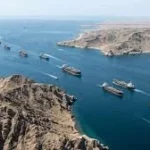
ويأتي هذا الإعلان في وقت تعرضت فيه تدفقات الأسمدة العالمية لاضطرابات بسبب الحرب مع إيران. كما أُغلق مضيق هرمز- وهو ممر بحري حيوي يربط الخليج العربي بالمحيط المفتوح- فعلياً منذ اندلاع النزاع في نهاية فبراير.
ويتعامل هذا الممر مع نحو ثلث تجارة الأسمدة العالمية. وتتفاقم مخاطر الإمدادات مع تقييد الصين، أكبر منتجة لمغذيات التربة، لصادراتها أيضاً.
ويزداد تأثير اختناقات الإمدادات لأن المزارعين في نصف الكرة الشمالي يرفعون عادة استخدام المغذيات خلال فترة الزراعة الربيعية. وقد يزيد هذا النقص من المنافسة على المخزونات المحدودة من الأسمدة، ما يرفع تكاليف المزارعين وينعكس في نهاية المطاف على ارتفاع أسعار الغذاء.
حصة تصدير
وتعد روسيا ثاني أكبر منتجة للأسمدة في العالم، وتمثل نحو 20% من تجارة المغذيات العالمية. وبلغ إنتاجها 28.9 مليون طن من الأسمدة النيتروجينية العام الماضي، لكنها قيدت بالفعل صادراتها لإعطاء الأولوية للإمدادات المحلية.
وحددت البلاد حصة تصدير بنحو 10.6 مليون طن من الأسمدة النيتروجينية، بما في ذلك نترات الأمونيوم، خلال الفترة من 1 ديسمبر 2025 وحتى مايو من العام الحالي.
وعادة ما تشكل اليوريا الحجم الأكبر من صادرات روسيا. وتأثرت القدرة الإنتاجية للأسمدة النيتروجينية في البلاد أيضاً بالحرب مع أوكرانيا، إذ تتعرض المصانع في كثير من الأحيان لهجمات بطائرات مسيّرة.
Russia has temporarily suspended ammonium nitrate exports, further tightening global supplies of crop nutrients that are already under pressure due to the Iran war.
The news agency reported that the Ministry of Agriculture halted exports from March 21 to April 21, citing a government statement, with the exception of supplies provided under government agreements between countries.
The ministry stated: “The suspension of exports will prioritize the supply of the domestic market during the spring planting season, ensuring its uninterrupted supply amid rising demand for nitrogen fertilizer exports.”
Supply Risks
This announcement comes at a time when global fertilizer flows have been disrupted due to the war with Iran. The Strait of Hormuz—a vital maritime passage linking the Arabian Gulf to the open ocean—has effectively been closed since the outbreak of the conflict at the end of February.
This passage handles about one-third of global fertilizer trade. Supply risks are exacerbated by China, the largest producer of soil nutrients, also restricting its exports.
The impact of supply bottlenecks is increasing as farmers in the Northern Hemisphere typically ramp up nutrient use during the spring planting period. This shortage may intensify competition for limited fertilizer stocks, raising farmers’ costs and ultimately reflecting in higher food prices.
Export Quota
Russia is the second-largest producer of fertilizers in the world, accounting for about 20% of global nutrient trade. Its production reached 28.9 million tons of nitrogen fertilizers last year, but it has already restricted its exports to prioritize domestic supplies.
The country has set an export quota of about 10.6 million tons of nitrogen fertilizers, including ammonium nitrate, from December 1, 2025, until May of this year.
Urea typically constitutes the largest share of Russia’s exports. The country’s nitrogen fertilizer production capacity has also been affected by the war with Ukraine, as factories are often subjected to drone attacks.