

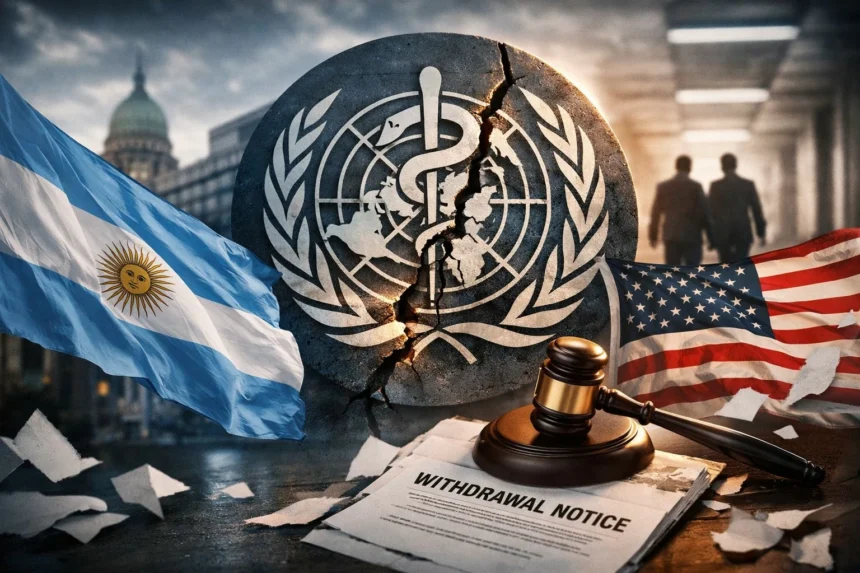
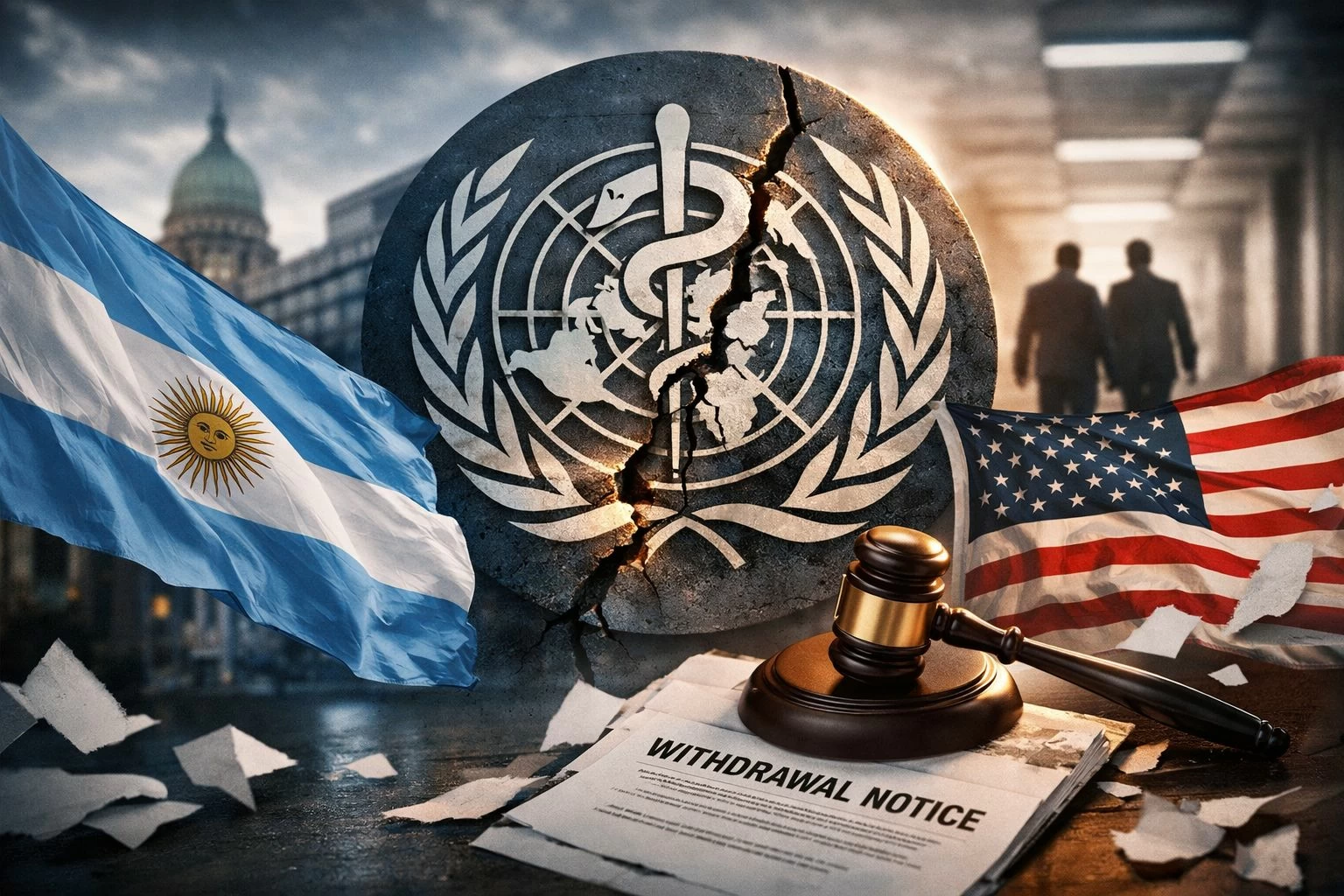
في تطور يعمّق الجدل حول مستقبل الحوكمة الصحية الدولية، دخل قرار الأرجنتين الانسحاب من منظمة الصحة العالمية حيّز التنفيذ رسمياً، لتصبح ثاني دولة بعد الولايات المتحدة تسلك هذا المسار خلال فترة قصيرة، في خطوة تعكس تصاعد النزعة السيادية في إدارة الملفات الصحية، وتضع المنظمة أمام اختبار سياسي ومالي بالغ الحساسية.
سيادة القرار الصحي
وأكد وزير الخارجية الأرجنتيني أن بلاده ماضية في إعادة صياغة علاقتها بالتعاون الصحي الدولي، بما يحفظ استقلال قرارها الوطني، مشيراً إلى أن بوينس آيرس ستواصل العمل مع شركائها عبر قنوات ثنائية وإقليمية، بدلاً من الارتباط بالأطر المؤسسية التقليدية.
ويعكس هذا التوجه تحوّلاً أوسع لدى بعض الدول، التي باتت تنظر إلى الشراكات الدولية من زاوية أكثر ارتباطاً بالسيادة الوطنية، وأقل التزاماً بالمنظومات متعددة الأطراف.
من واشنطن إلى بوينس آيرس
انسحاب الأرجنتين لا يبدو حدثاً معزولاً، بل يأتي في سياق دولي أكثر اتساعاً، بعدما سبقتها الولايات المتحدة إلى الخطوة نفسها مطلع عام 2026، ما يضاعف الضغوط على منظمة الصحة العالمية، ويفتح الباب أمام تساؤلات جدية بشأن قدرتها على الحفاظ على تماسكها المؤسسي ودورها القيادي في إدارة الأزمات الصحية العالمية.
تداعيات مالية وتشغيلية
ولا تقتصر تداعيات هذه الانسحابات على بُعدها السياسي فقط، بل تمتد إلى الجانب المالي والتشغيلي، إذ تعتمد المنظمة بدرجة كبيرة على مساهمات الدول الأعضاء. وتاريخياً، شكّلت الولايات المتحدة أحد أكبر الممولين للمنظمة، ما يجعل خروجها، ومعها دولة بحجم الأرجنتين سياسياً، تحدياً مضاعفاً لقدرة المنظمة على مواصلة برامجها بكفاءة.
اختبار لمستقبل المنظمة
والسؤال المطروح اليوم لم يعد مقتصراً على انسحاب دولتين، بل على ما إذا كان العالم يشهد بداية تراجع تدريجي في الثقة بالمنظمات متعددة الأطراف، أم أننا أمام إعادة تشكيل جديدة لنموذج التعاون الدولي، تقوم على شراكات أكثر مرونة وأقل التزاماً بالأطر التقليدية.
وبين دعوات السيادة الصحية والحاجة إلى تنسيق عالمي عابر للحدود، تقف منظمة الصحة العالمية أمام لحظة مفصلية، قد تُجبرها على مراجعة دورها وآليات عملها، وربما إعادة ابتكار نفسها لمواكبة عالم يتغير بسرعة.
In a development that deepens the debate over the future of international health governance, Argentina’s decision to withdraw from the World Health Organization has officially come into effect, making it the second country after the United States to take this path in a short period. This move reflects the rising trend of sovereignty in managing health issues and presents the organization with a highly sensitive political and financial test.
Sovereignty of Health Decisions
The Argentine Foreign Minister confirmed that his country is moving forward in reshaping its relationship with international health cooperation to preserve its national decision-making independence, noting that Buenos Aires will continue to work with its partners through bilateral and regional channels, rather than being tied to traditional institutional frameworks.
This trend reflects a broader shift among some countries, which have begun to view international partnerships from a perspective more closely linked to national sovereignty and less committed to multilateral systems.
From Washington to Buenos Aires
Argentina’s withdrawal does not appear to be an isolated event; rather, it comes in a broader international context, following the United States’ similar step at the beginning of 2026, which increases pressure on the World Health Organization and raises serious questions about its ability to maintain institutional cohesion and its leadership role in managing global health crises.
Financial and Operational Implications
The implications of these withdrawals are not limited to their political dimension but extend to financial and operational aspects, as the organization relies heavily on contributions from member states. Historically, the United States has been one of the largest funders of the organization, making its exit, along with a country the size of Argentina politically, a compounded challenge for the organization’s ability to continue its programs efficiently.
A Test for the Organization’s Future
The question now is no longer limited to the withdrawal of two countries, but whether the world is witnessing the beginning of a gradual decline in trust in multilateral organizations, or if we are facing a new reconfiguration of the international cooperation model, based on more flexible partnerships and less commitment to traditional frameworks.
Amid calls for health sovereignty and the need for global coordination that transcends borders, the World Health Organization stands at a pivotal moment that may force it to reassess its role and working mechanisms, and perhaps reinvent itself to keep pace with a rapidly changing world.