

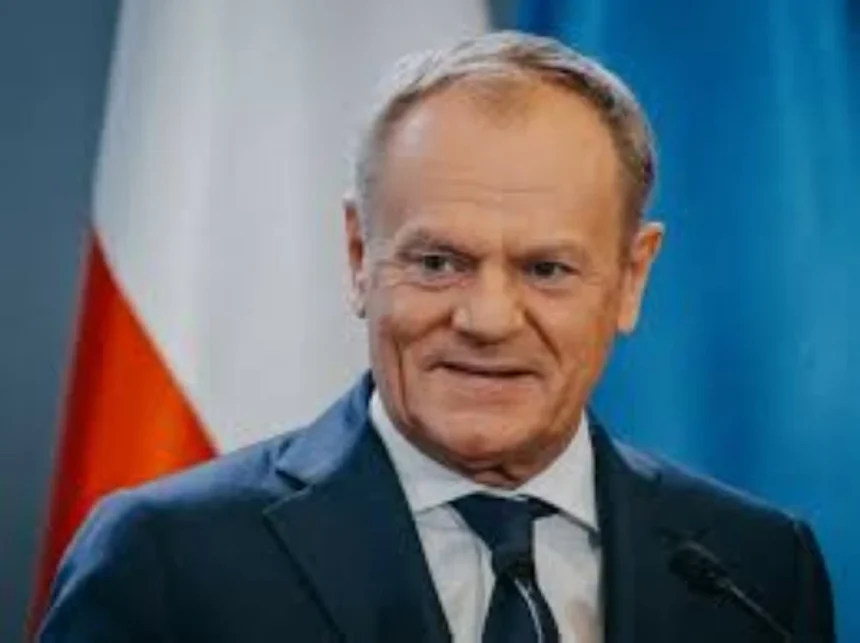
أعلن رئيس الوزراء البولندي دونالد توسك، أمس (الأربعاء)، أن بلاده لن تنضم حالياً إلى «مجلس السلام» الذي أطلقه الرئيس الأمريكي دونالد ترمب للإشراف على مرحلة ما بعد الحرب في قطاع غزة، وإدارة إعادة إعماره.
وقال توسك خلال جلسة حكومية: «في الظروف الحالية، لن تنضم بولندا إلى أعمال مجلس السلام. لدينا تحفظات وطنية جدية تتعلق بشكل المجلس وطبيعة عمله وصلاحياته. سنواصل دراسة الموضوع بعناية، لكن القرار الآن هو عدم المشاركة».
ويأتي الموقف البولندي في سياق سلسلة من الرفض أو التحفظات الأوروبية تجاه المبادرة الأمريكية، إذ سبق أن أعلنت دول عدة من بينها؛ فرنسا، إسبانيا، النرويج، كرواتيا، ألمانيا، السويد، رفضها الانضمام أو عدم قبول الدعوة، مشيرة إلى مخاوف تتعلق بشرعية المجلس، وعلاقته بالأمم المتحدة، وآليات اتخاذ القرار فيه، ومدى توازنه.
وأطلق الرئيس الأمريكي دونالد ترمب فكرة «مجلس السلام» خلال الأشهر الأخيرة من 2025، وتم التوقيع الرسمي على ميثاقه في إطار منتدى دافوس الاقتصادي العالمي في يناير 2026.
صلاحيات تتجاوز نطاق الأراضي الفلسطينية
ويهدف المجلس وفق الرواية الأمريكية إلى أن يكون آلية دولية متعددة الأطراف تشرف على إعادة إعمار غزة، وتدير مرحلة انتقالية بعد انتهاء العمليات العسكرية، وتضمن عدم عودة «حماس» إلى السيطرة على القطاع.
وبحسب موقع «أكسيوس»، يضم المجلس حالياً 27 عضواً، ومن المقرر عقد أول اجتماع له في 19 فبراير الجاري، لبحث سبل تنفيذ المرحلة الثانية من اتفاق وقف إطلاق النار في غزة، إلى جانب حشد التمويل اللازم لإعادة إعمار القطاع.
وأوضح ترمب أن المجلس ملتزم بضمان نزع السلاح من غزة وإعادة بنائها بشكل جميل، في إشارة إلى رؤية الإدارة الأمريكية لدوره المستقبلي.
وأنشئ المجلس في الأساس للإشراف على جهود إعادة الإعمار، إلا أن ميثاقه يتضمن صلاحيات تتجاوز نطاق الأراضي الفلسطينية، وهو ما أثار تشكيكاً من بعض الحلفاء الغربيين للولايات المتحدة، خصوصاً في ظل ما يتضمنه الميثاق من صلاحيات واسعة، من بينها منح الرئيس الأمريكي حق الاعتراض على قرارات المجلس، فضلاً عن اعتباره -من قبل منتقدين- إطاراً موازيا لمجلس الأمن الدولي.
وترى العديد من العواصم الأوروبية أن المجلس قد يشكل محاولة لتجاوز أو إضعاف دور الأمم المتحدة والقانون الدولي في إدارة الصراع الفلسطيني-الإسرائيلي.
Polish Prime Minister Donald Tusk announced yesterday (Wednesday) that his country will not currently join the “Peace Council” launched by U.S. President Donald Trump to oversee the post-war phase in the Gaza Strip and manage its reconstruction.
Tusk stated during a government session: “Under the current circumstances, Poland will not participate in the activities of the Peace Council. We have serious national reservations regarding the structure of the council, its nature of work, and its powers. We will continue to study the matter carefully, but the decision now is not to participate.”
The Polish stance comes in the context of a series of rejections or reservations from European countries regarding the American initiative, as several countries, including France, Spain, Norway, Croatia, Germany, and Sweden, have previously announced their refusal to join or accept the invitation, citing concerns about the legitimacy of the council, its relationship with the United Nations, its decision-making mechanisms, and its balance.
U.S. President Donald Trump proposed the idea of the “Peace Council” during the last months of 2025, and the official charter was signed within the framework of the World Economic Forum in Davos in January 2026.
Powers Beyond the Scope of Palestinian Territories
According to the American narrative, the council aims to be a multilateral international mechanism overseeing the reconstruction of Gaza, managing a transitional phase after the end of military operations, and ensuring that “Hamas” does not regain control of the territory.
According to Axios, the council currently includes 27 members, and its first meeting is scheduled for February 19 of this year to discuss ways to implement the second phase of the ceasefire agreement in Gaza, as well as to mobilize the necessary funding for the reconstruction of the area.
Trump clarified that the council is committed to ensuring the disarmament of Gaza and its beautiful reconstruction, referring to the U.S. administration’s vision for its future role.
The council was primarily established to oversee reconstruction efforts; however, its charter includes powers that extend beyond the scope of Palestinian territories, which has raised skepticism among some of the United States’ Western allies, especially given the broad powers included in the charter, such as granting the U.S. president the right to veto council decisions, as well as being considered—by critics—a parallel framework to the United Nations Security Council.
Many European capitals view the council as a potential attempt to bypass or undermine the role of the United Nations and international law in managing the Israeli-Palestinian conflict.