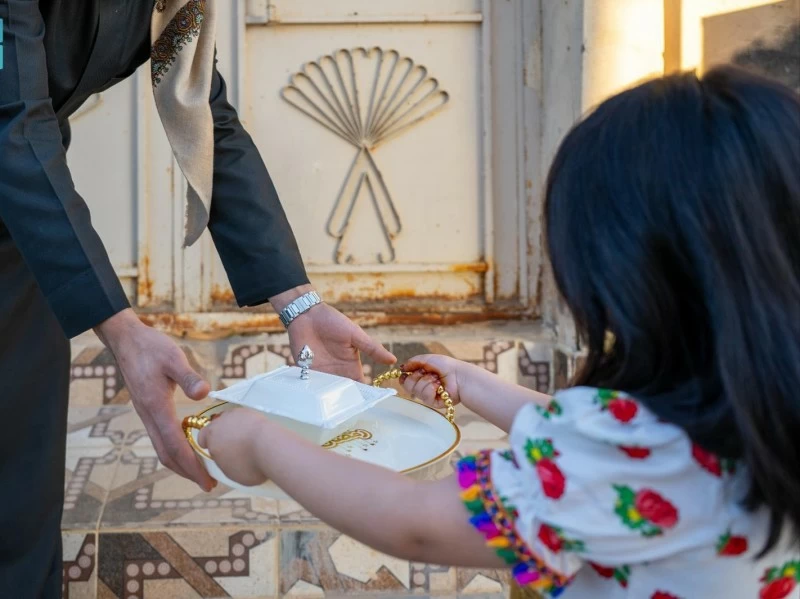
ارتبط شهر رمضان المبارك في ذاكرة أهالي منطقة الحدود الشمالية بعادات اجتماعية عكست معاني التكافل والمشاركة، من أبرزها تبادل طعام الإفطار بين الجيران قبيل أذان المغرب، في ما يُعرف محلياً بـ«الطُّعمة».
وتعود هذه العادة إلى بدايات تشكّل التجمعات السكنية في المنطقة، حين كانت الموارد محدودة، فغدت المشاركة في الطعام سلوكاً اجتماعياً لازماً، قبل أن تتحول إلى تقليد متوارث يعكس أخلاق المجتمع المحلي وروح التآزر بين أفراده.
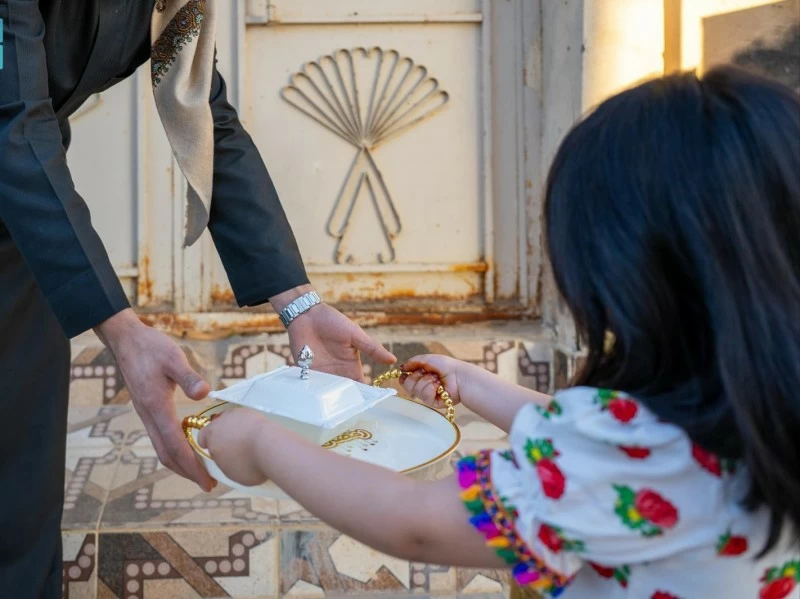
ويحرص الأهالي على إرسال جزء مما أُعدّ للإفطار إلى البيوت المجاورة دون تكلّف، تعزيزاً للتقارب بين الأسر، فيما يؤدي الأطفال دوراً في إيصال الطعام، بما يسهم في ترسيخ قيم الانتماء والتواصل.
ورغم تغيّر أنماط الحياة، ما تزال هذه العادة حاضرة في مجتمع المنطقة، محافظة على جوهرها الاجتماعي وقيمها الأصيلة.
The blessed month of Ramadan is associated in the memory of the people of the Northern Borders region with social customs that reflect the meanings of solidarity and sharing, the most prominent of which is the exchange of iftar food among neighbors just before the Maghrib call to prayer, locally known as “the Ta’ama.”
This custom dates back to the early formation of residential communities in the region, when resources were limited, making the sharing of food a necessary social behavior, before it evolved into a cherished tradition that reflects the morals of the local community and the spirit of cooperation among its members.
The residents are keen to send a portion of what they have prepared for iftar to neighboring homes without any formality, enhancing the closeness between families, while children play a role in delivering the food, contributing to the reinforcement of values of belonging and communication.
Despite changes in lifestyles, this custom remains present in the community of the region, preserving its social essence and original values.