حين تقترب رائحة شهر رمضان المبارك تشمر السيدات عن سواعدهن للاستعداد لاستقبال الشهر الكريم في طقوس تبعث الدفء للأسر، فضجيج التحضيرات لا يشبه أي ضجيج، ومن المعروف أن تحضير السفرة الحجازية لا يخلو من شوربة الحب، التي تجهز لها السيدات بجمله من «بهارات الشوربة» التي تمنح الطعام نكهة مختلفة ذات رائحة عبقة.
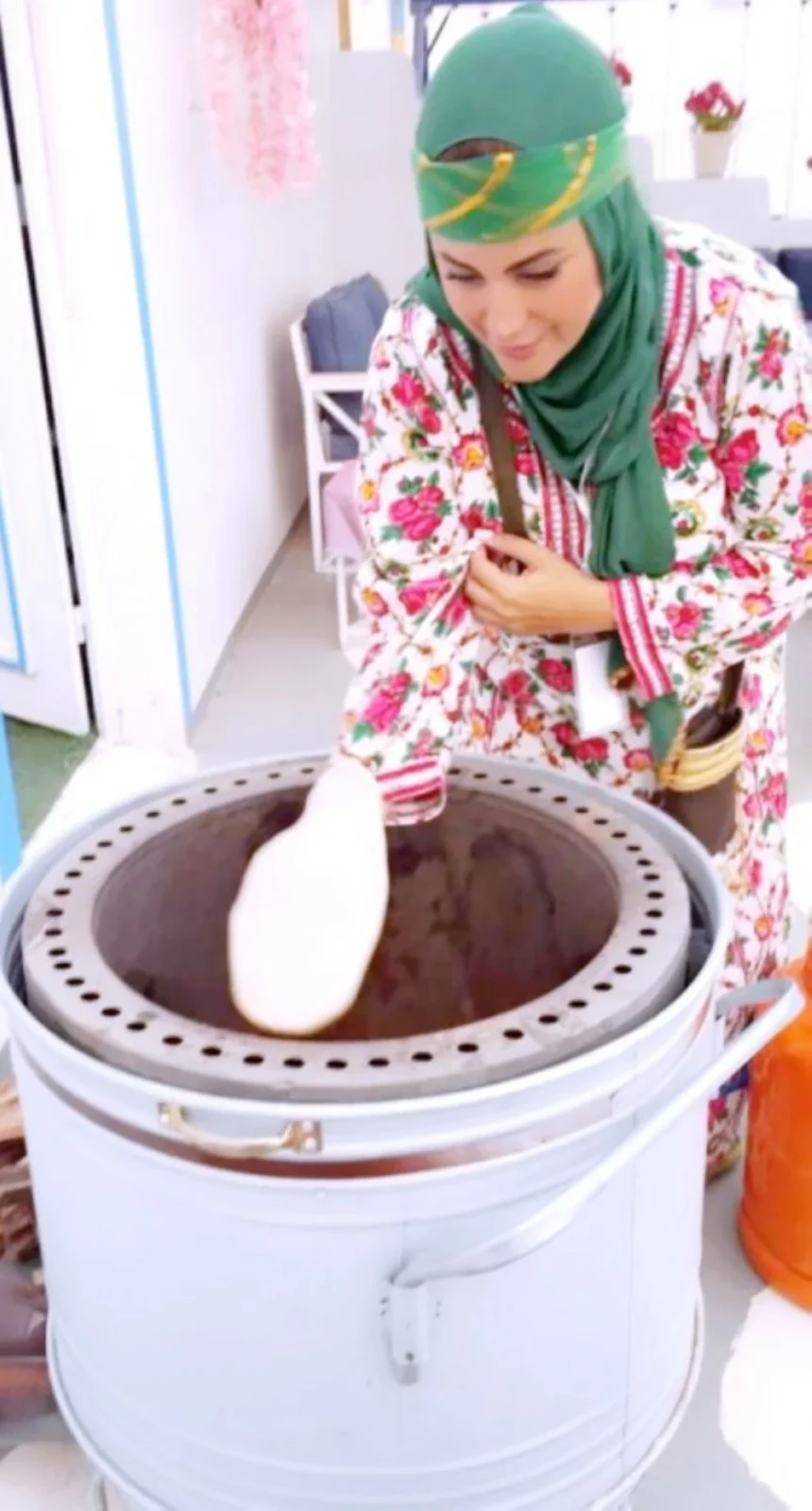
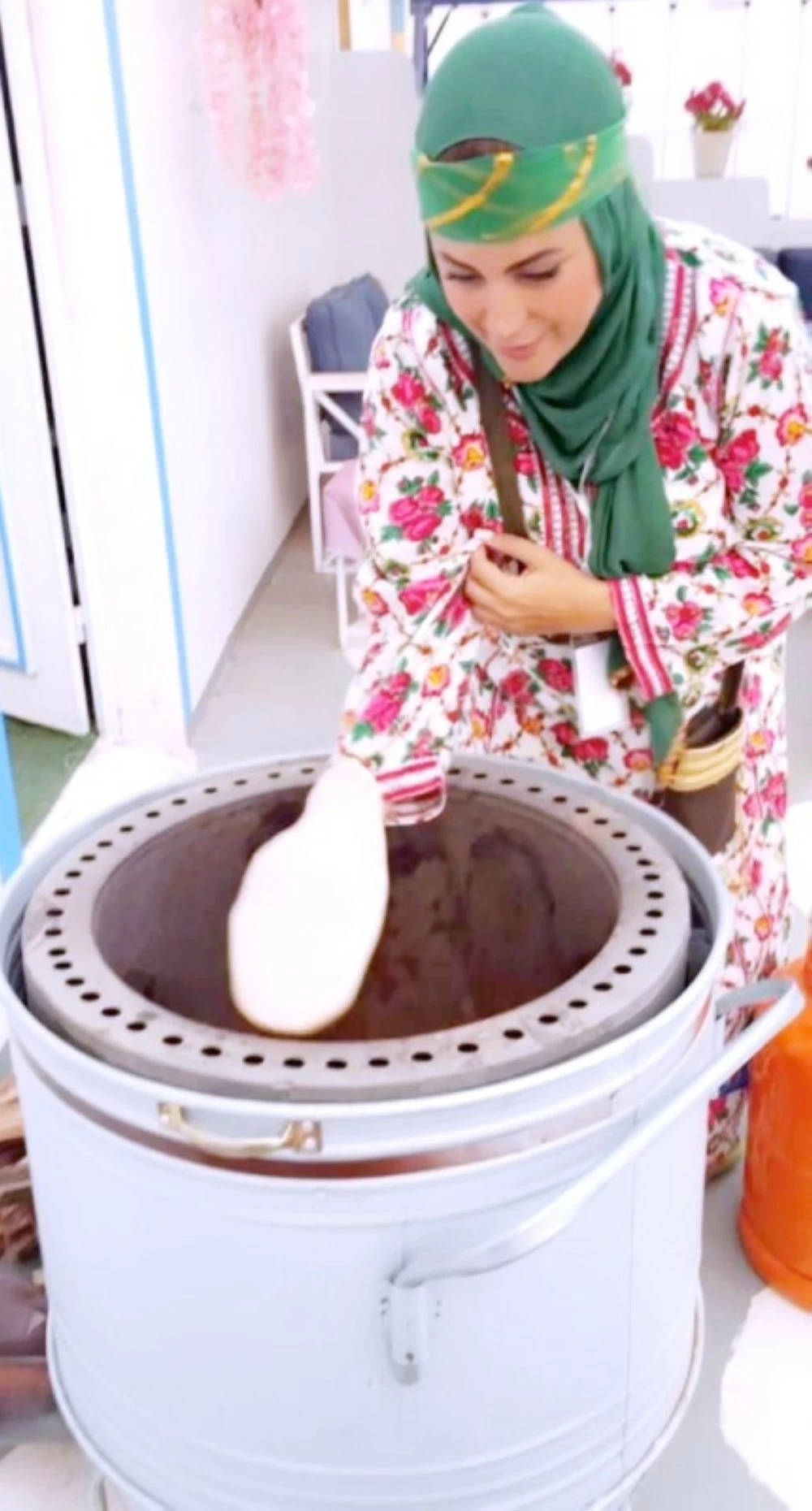
حول استعداد السيدات للسفرة الحجازية تقول رائدة الأعمال المختصة في الأكل الحجازي علا رجب لـ «عكاظ»: منذ بداية شهر شعبان تستعد ربات البيوت لتجهيز بهارات الشوربة والسمبوسك بغسل البهارات وتجفيفها وصرها في 30 صرة بعدد أيام رمضان، ثم شوربة الحب الحمرة باللحم الضأني وبهارات السمبوسك البلدي وعيش باللحم. كما تحرص المرأة على عجن عجينة السمبوسك يومياً طازجة استعداداً لرمضان، وتقوم ربيات البيوت بتجهيز مجلس العائلة لاستقبال الأهل على مائدة الإفطار في أول يوم رمضان، ولا تكتمل طقوس شهر الخير الا بتبخير دوارق الزمزم وكاسات التوتوا بالمستكة.
تضيف علا رجب: إن بعض الأسر تقوم بتجهيز التمور باللوز والسمسم وإعداد سمبوسك التمر وحفظ السمبوسك مفرزنة، وبالنسبة لمائدة السحور فتختلف بين الأسر؛ إذ يبتعدون عن الأكلات المسببة للحموضة والعطش.
وتستذكر علا رجب أيام الماضي الجميل بقولها: «كانت جدتي رحمها الله تحضر اللبن الزبادي المنزلي، وتجهز فتة الحليب، واليوم أيضاً بعض الأسر تجهز سُفراً للسحور بالأكلات المسبكة (الإيدامات) وتناولها بخبز الحب».
As the scent of the blessed month of Ramadan approaches, women roll up their sleeves to prepare for the reception of this holy month with rituals that bring warmth to families. The noise of the preparations is unlike any other, and it is well-known that preparing the Hijazi table is incomplete without the love soup, which women prepare with a mix of “soup spices” that give the food a distinct flavor and an aromatic scent.
Regarding the women’s preparations for the Hijazi table, the entrepreneur specializing in Hijazi cuisine, Ola Rajab, tells “Okaz”: Since the beginning of the month of Sha’ban, housewives start preparing soup spices and samosas by washing, drying, and grinding the spices into 30 bags corresponding to the days of Ramadan. Then, there is the red love soup with lamb and local samosa spices, along with bread and meat. Women also make sure to knead the samosa dough fresh daily in preparation for Ramadan, and housewives prepare the family gathering to welcome relatives at the iftar table on the first day of Ramadan. The rituals of this blessed month are not complete without the incense of Zamzam jars and Tootwa glasses with mastic.
Ola Rajab adds: Some families prepare dates with almonds and sesame and make date samosas, freezing the samosas for later use. As for the suhoor table, it varies among families; they tend to avoid foods that cause acidity and thirst.
Ola Rajab reminisces about the beautiful days of the past, saying: “My grandmother, may she rest in peace, used to prepare homemade yogurt and make milk fatteh. Today, some families also prepare tables for suhoor with stewed dishes (eidamats) and eat them with love bread.”