

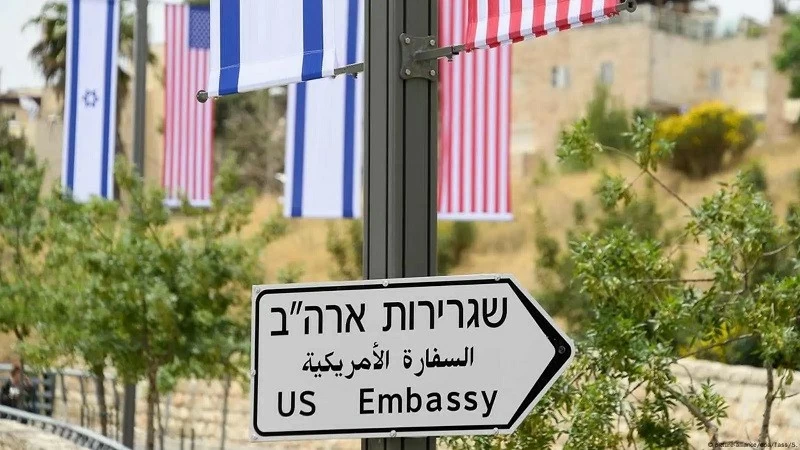
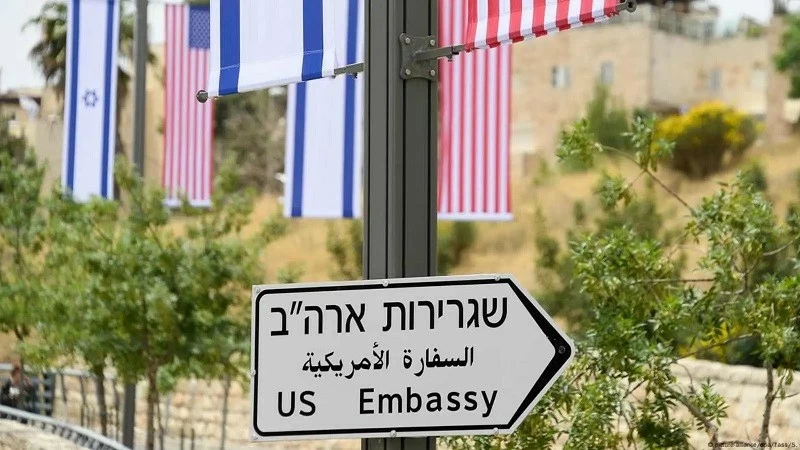
أعلنت السفارة الأمريكية في القدس، أن فرقها القنصلية ستقدم خدمات جوازات السفر الروتينية داخل مستوطنة إفرات في الضفة الغربية المحتلة، يوم الجمعة 27 فبراير، في سابقة هي الأولى من نوعها في تاريخ التعامل الدبلوماسي الأمريكي.
وأوضحت السفارة عبر منشور على منصة «إكس» أن هذه الخدمات تأتي ضمن جهودها للوصول إلى جميع المواطنين الأمريكيين في الخارج، مشيرة إلى أن فرقاً قنصلية ستتواجد ليوم واحد فقط في إفرات جنوب بيت لحم، التي تضم عدداً كبيراً من المقيمين الأمريكيين.
وأضافت أن خدمات مماثلة ستُقدم في الأشهر القادمة في مستوطنة بيتار عيليت القريبة، إلى جانب مدينة رام الله وبعض المدن داخل إسرائيل مثل حيفا ونتانیا وبيت شمش، مشيرة إلى أن خدمات التأشيرات لغير الأمريكيين ستبقى مقتصرة على القدس وتل أبيب.
ووصفت السفارة الحدث بأنه «خدمات متنقلة» وليس افتتاح مكتب دائم، إلا أن وسائل إعلام إسرائيلية مثل القناة 14 وتايمز أوف إسرائيل اعتبرت الخطوة تغييراً جوهرياً في الموقف الأمريكي، واعترافاً ضمنياً بالسيادة الإسرائيلية على أراضٍ يعتبرها القانون الدولي محتلة.
يأتي الإعلان في سياق سياسة إدارة الرئيس دونالد ترمب الداعمة لإسرائيل، والتي شهدت سابقاً نقل السفارة إلى القدس 2018 والاعتراف بسيادة إسرائيل على الجولان 2019، وتسهيلات أخرى في الضفة الغربية.
وتُعتبر المستوطنات الإسرائيلية في الضفة الغربية بما فيها القدس الشرقية غير قانونية بموجب القانون الدولي، وفقاً لاتفاقية جنيف الرابعة التي تحظر نقل سكان الدولة المحتلة إلى الأراضي المحتلة، وقرارات مجلس الأمن الدولي أبرزها القرار 2334 لعام 2016 الذي أكد عدم شرعيتها وطالب بوقف البناء.
ويُجمع العالم العربي والإسلامي عبر جامعة الدول العربية ومنظمة التعاون الإسلامي على اعتبار المستوطنات انتهاكاً صارخاً للحقوق الفلسطينية وأحد أبرز العقبات أمام حل الدولتين. وتُصنفها كـ«جريمة حرب» في العديد من البيانات الرسمية، وتُطالب بمقاطعتها اقتصادياً وسياسياً.
كما تعتبر الأمم المتحدة والاتحاد الأوروبي ومعظم دول العالم باستثناء عدد محدود المستوطنات غير شرعية، وتدعو إلى إزالتها أو وقف توسعها، حيث فرض الاتحاد الأوروبي تسمية «منتجات المستوطنات» بشكل منفصل، كما أصدرت محكمة العدل الدولية حكماً بأن الجدار والمستوطنات غير قانونيين.
The American embassy in Jerusalem announced that its consular teams will provide routine passport services inside the Efrat settlement in the occupied West Bank on Friday, February 27, marking a first-of-its-kind event in the history of American diplomatic dealings.
The embassy clarified through a post on the “X” platform that these services are part of its efforts to reach all American citizens abroad, noting that consular teams will be present for one day only in Efrat, south of Bethlehem, which has a large number of American residents.
It added that similar services will be offered in the coming months in the nearby Beitar Illit settlement, as well as in Ramallah and some cities within Israel such as Haifa, Netanya, and Beit Shemesh, indicating that visa services for non-Americans will remain limited to Jerusalem and Tel Aviv.
The embassy described the event as “mobile services” rather than the opening of a permanent office, but Israeli media outlets such as Channel 14 and the Times of Israel considered the move a fundamental shift in the American stance and an implicit recognition of Israeli sovereignty over lands that international law deems occupied.
This announcement comes in the context of the policy of President Donald Trump’s administration, which supports Israel and previously witnessed the relocation of the embassy to Jerusalem in 2018 and the recognition of Israeli sovereignty over the Golan Heights in 2019, along with other facilitation measures in the West Bank.
Israeli settlements in the West Bank, including East Jerusalem, are considered illegal under international law, according to the Fourth Geneva Convention, which prohibits the transfer of the occupying state’s population to the occupied territories, and United Nations Security Council resolutions, most notably Resolution 2334 of 2016, which affirmed their illegitimacy and called for a halt to construction.
The Arab and Islamic world, through the Arab League and the Organization of Islamic Cooperation, unanimously views the settlements as a blatant violation of Palestinian rights and one of the main obstacles to a two-state solution. They classify it as a “war crime” in many official statements and call for economic and political boycotts against them.
The United Nations, the European Union, and most countries around the world, with a few exceptions, also consider the settlements illegal and call for their removal or a halt to their expansion, with the European Union imposing the designation of “settlement products” separately, and the International Court of Justice issuing a ruling that the wall and settlements are illegal.