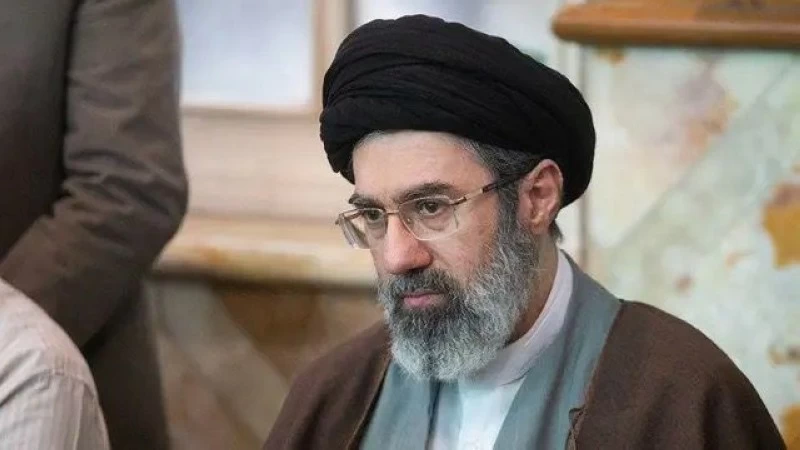
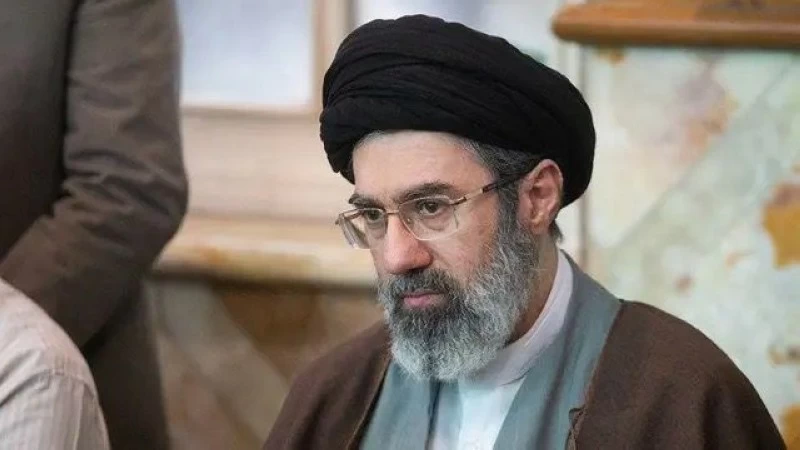
تتجه الأنظار في إيران إلى قرار مرتقب لمجلس خبراء القيادة بشأن اختيار المرشد الأعلى الجديد للبلاد، بعد أن أنهى أعضاء المجلس عملية تصويت سرية مكتوبة، في ظل ظروف استثنائية فرضتها التطورات الأمنية التي شهدتها طهران وقم خلال الأيام الماضية.
اجتماع «القيادة المؤقتة» لبحث آلية الاختيار
وكانت وكالة الأنباء الإيرانية قد أكدت أن مجلس القيادة المؤقت عقد اجتماعاً برئاسة الرئيس مسعود بزشكيان، جرى خلاله بحث آلية عقد اجتماع مجلس خبراء القيادة، الهيئة الدستورية المخولة باختيار المرشد الأعلى في البلاد.
وبحسب ما نقلته وسائل إعلام إيرانية اليوم (السبت)، فإن عملية التصويت الكتابي والمختوم من قبل أعضاء المجلس قد انتهت قبل ساعات قليلة، وسط توقعات بإعلان اسم المرشد المنتخب خلال الساعات القادمة، دون الكشف عن هويته حتى الآن.
تصويت غير حضوري بسبب القصف
وأوضحت التقارير أن الظروف الأمنية حالت دون عقد اجتماع حضوري للمجلس خلال الأيام الماضية، بعد تعرض مكتب مجلس خبراء القيادة في مدينة قم، إضافة إلى المبنى القديم للمجلس التشريعي في منطقة باستور بطهران – حيث تُعقد عادة جلسات المجلس – للقصف.
وفي ضوء ذلك، تقرر عقد جلسة المجلس وإجراء عملية التصويت عبر وسائل افتراضية، مع اعتماد آلية تصويت مكتوبة ومختومة لضمان توثيق أصوات الأعضاء.
توثيق الأصوات تحسباً لأي جدل مستقبلي
وأشارت المصادر إلى أن المجلس حرص على جمع الأصوات بشكل كتابي ومختوم من جميع الأعضاء خلال الأيام الماضية،لتفادي أي شبهات مستقبلية حول شرعية عملية الاختيار، وكذلك لحفظ السجل التاريخي لعملية انتخاب المرشد الجديد.
دعوة دينية للإسراع في الحسم
وفي السياق ذاته، نقلت وكالة «تسنيم» رسالة من المرجع الديني آية الله مكارم الشيرازي إلى أعضاء مجلس خبراء القيادة، دعا فيها إلى الإسراع في اختيار مرشد أعلى جديد للبلاد.
وأكد الشيرازي في رسالته أن سرعة حسم هذا الملف «أمر ضروري في ظل حالة الارتباك السياسي المستمرة»، مشيراً إلى أن اتخاذ القرار في الوقت المناسب من شأنه أن يعزز السلطة الوطنية ويسهم في تنظيم شؤون البلاد بشكل أفضل.
مجلس الخبراء.. الهيئة المخولة باختيار المرشد
ويضم مجلس خبراء القيادة في إيران 88 رجل دين، وهو الهيئة الدستورية المسؤولة عن اختيار المرشد الأعلى ومراقبة أدائه، ويأتي انعقاد المجلس هذه المرة في ظروف استثنائية بعد تعرض مبانٍ مرتبطة به لغارات جوية خلال الحرب، ما أثّر على آلية اجتماعاته التقليدية
ترمب يرفض مجتبى خامنئي
من جانبه، كشف الرئيس الأمريكي دونالد ترمب، مساء الخميس الماضي، أن مجتبي خامنئي، نجل المرشد الراحل علي خامنئي، هو المرشح الأوفر حظاً للخلافة، لكنه أكد أن النتيجة «غير مقبولة»، واصفاً إياه بـ«الشخصية الضعيفة» التي تضيّع الوقت، مشدداً على حاجة واشنطن إلى شخص «يجلب السلام والانسجام إلى إيران».
وعبر ترمب عن رغبته في «الانخراط شخصياً» في اختيار قائد إيران الجديد، مؤكداً أن بلاده لن تقبل بزعيم يواصل سياسات المرشد الراحل علي خامنئي، معتبراً أن الاستمرار في تلك السياسات سيجبر الولايات المتحدة على العودة إلى الحرب خلال 5 سنوات.
All eyes in Iran are on an anticipated decision by the Assembly of Experts regarding the selection of a new Supreme Leader for the country, after the members of the assembly completed a written secret voting process, under exceptional circumstances imposed by the security developments that Tehran and Qom have witnessed in recent days.
Meeting of the “Temporary Leadership” to Discuss Selection Mechanism
The Iranian news agency confirmed that the temporary leadership council held a meeting chaired by President Masoud Bezhakian, during which the mechanism for convening the Assembly of Experts was discussed, the constitutional body authorized to choose the Supreme Leader in the country.
According to Iranian media reports today (Saturday), the written and sealed voting process by the members of the assembly ended a few hours ago, with expectations of announcing the name of the elected leader in the coming hours, without revealing his identity so far.
Remote Voting Due to Bombing
Reports indicated that security conditions prevented a physical meeting of the assembly in recent days, after the office of the Assembly of Experts in Qom, in addition to the old building of the legislative council in the Pasdaran area of Tehran – where the council sessions are usually held – were subjected to bombing.
In light of this, it was decided to hold the assembly session and conduct the voting process through virtual means, adopting a written and sealed voting mechanism to ensure the documentation of the members’ votes.
Documenting Votes in Anticipation of Future Controversy
Sources indicated that the assembly was keen to collect votes in a written and sealed manner from all members over the past days, to avoid any future suspicions regarding the legitimacy of the selection process, as well as to preserve the historical record of the election of the new leader.
Religious Call to Expedite the Decision
In this context, the “Tasnim” agency conveyed a message from the religious authority Ayatollah Makarem Shirazi to the members of the Assembly of Experts, urging them to expedite the selection of a new Supreme Leader for the country.
Shirazi emphasized in his message that the swift resolution of this issue is “essential in light of the ongoing political confusion,” pointing out that making the decision at the right time would enhance national authority and contribute to better organizing the affairs of the country.
The Assembly of Experts… The Body Authorized to Choose the Leader
The Assembly of Experts in Iran consists of 88 clerics and is the constitutional body responsible for selecting the Supreme Leader and monitoring his performance. The assembly’s convening this time occurs under exceptional circumstances after buildings associated with it were subjected to airstrikes during the war, which affected its traditional meeting mechanisms.
Trump Rejects Mojtaba Khamenei
For his part, U.S. President Donald Trump revealed last Thursday evening that Mojtaba Khamenei, the son of the late Supreme Leader Ali Khamenei, is the most likely candidate for succession, but he asserted that the outcome is “unacceptable,” describing him as a “weak personality” who wastes time, stressing the need for Washington to have someone who “brings peace and harmony to Iran.”
Trump expressed his desire to “personally engage” in the selection of Iran’s new leader, emphasizing that his country would not accept a leader who continues the policies of the late Ali Khamenei, considering that continuing those policies would force the United States to return to war within five years.