


بدأت الأمانات في مختلف مناطق المملكة، تنفيذ توجه تنظيمي جديد يقضي بإيقاف نشاط غسيل السيارات اليدوي داخل محطات الوقود ومراكز الخدمة، وذلك عبر السماح للمغاسل القائمة بالاستمرار فقط حتى انتهاء رخصها الحالية، ثم إلزامها بالتحوّل إلى أنظمة الغسيل الأوتوماتيكي، وفق تعليمات وزارة الطاقة.
وفي منطقة حائل، أكدت الأمانة وقف إصدار أي رخص جديدة للمغاسل اليدوية داخل هذه المواقع، وقصر النشاط على الأنظمة الأوتوماتيكية بالكامل.
يأتي هذا التحوّل في إطار رفع جودة الخدمة وتسريعها، إلى جانب تقليل استهلاك المياه والطاقة. فالأنظمة الأوتوماتيكية تعتمد على تقنيات إعادة التدوير والتحكم في الكميات، ما يحد من الهدر ويعزز الاستدامة، إضافة إلى تحسين مستوى السلامة داخل المحطات ورفع كفاءة التشغيل.
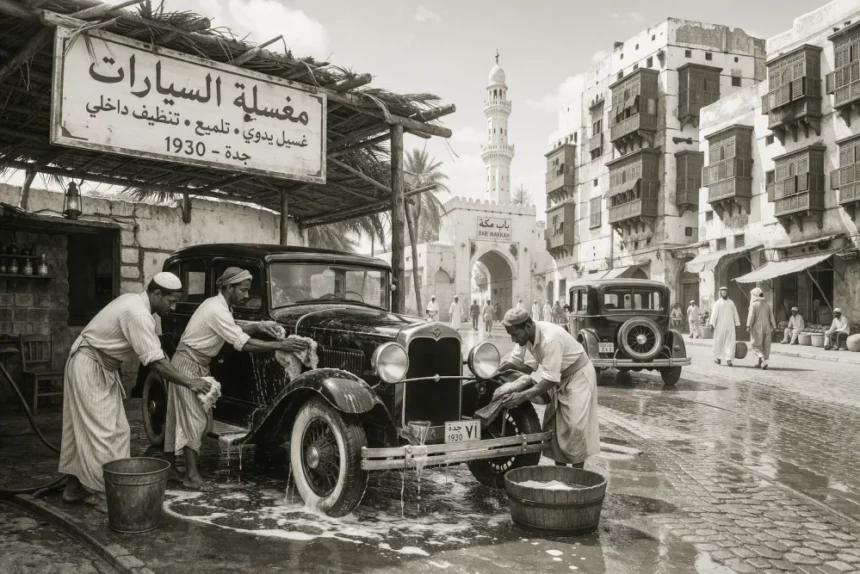
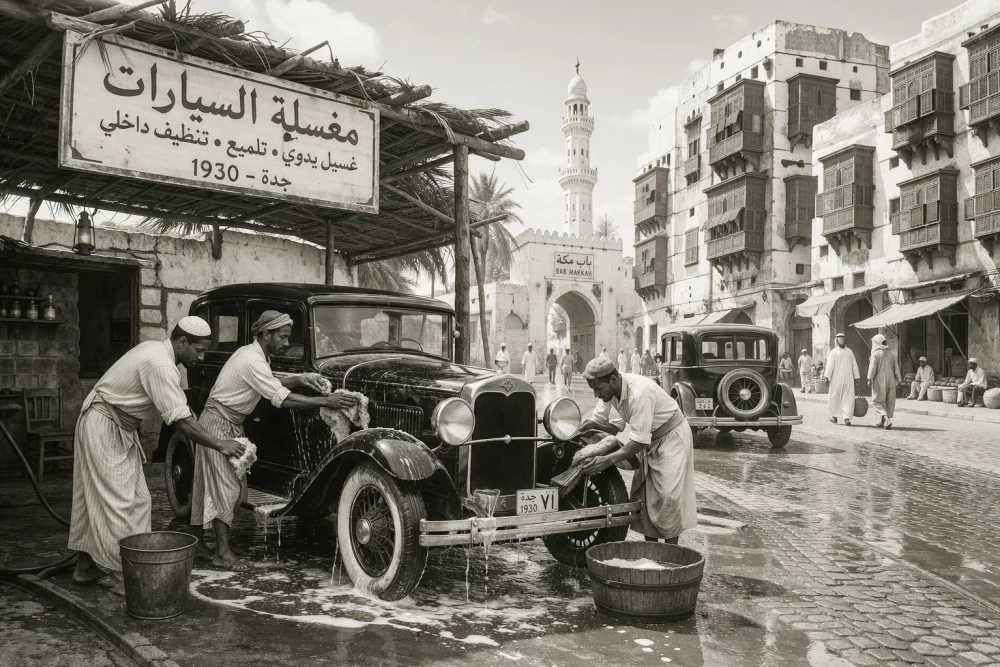
يمثل القرار نهاية مرحلة تاريخية بدأت منذ دخول السيارات إلى الحجاز في عشرينيات القرن الماضي، إذ كان الغسيل يُمارس بطرق بسيطة داخل البيوت والورش.
ومع انتشار السيارات في خمسينيات وستينيات القرن الماضي، أصبح الغسيل اليدوي خدمة أساسية، قبل أن يتحوّل في السبعينيات والثمانينيات إلى نشاط تجاري واسع داخل الأحياء ومحطات الوقود، ثم يدخل لاحقاً تحت مظلة التنظيم البلدي، لكن المتغيّرات البيئية والاقتصادية الحديثة لم تعد تمنح هذا النموذج القدرة على الاستمرار.
المغاسل اليدوية من أكثر الأنشطة استهلاكاً للمياه
كشفت دراسة نُشرت في أكتوبر 2024م، في مجلة Engineering, Technology & Applied Science Research، بمشاركة باحث من جامعة الحدود الشمالية، أن مغاسل السيارات تُعد من الأنشطة عالية الاستهلاك للمياه؛ إذ قد يصل استهلاك المنشأة الواحدة إلى نحو 22.5 ألف لتر يومياً لغسل نحو 50 سيارة.
كما تحتوي المياه الناتجة على ملوثات تشمل الزيوت والشحوم والمواد الكيميائية، ما يجعل تصريفها دون معالجة مصدراً للتلوث البيئي.
وفي المقابل، تؤكد الدراسة إمكانية تقليل هذا الأثر عبر أنظمة معالجة منخفضة التكلفة قادرة على إزالة الملوثات بنسبة تصل إلى 100% لبعض العناصر، وإعادة استخدام المياه في عمليات الغسيل.
ويُقدَّر حجم سوق مغاسل السيارات في المملكة بنحو 1.57 مليار ريال، وفق شركة Ken Research، مدفوعاً بوجود أكثر من 15 مليون مركبة ونمو سنوي يقارب 5%.
وتشهد السوق تحوّلاً متسارعاً نحو الحلول الآلية والمتنقلة، مدعوماً بوعي بيئي متزايد لدى نحو 70% من السكان، واشتراطات تنظيمية فرضت منذ 2021م، إعادة تدوير ما لا يقل عن 70% من المياه المستخدمة.
ورغم وجود أكثر من 28 ألف سجل تجاري لنشاط غسيل وتشحيم السيارات حتى منتصف 2025م، يواجه القطاع تحديات مرتبطة بشح المياه، في ظل عجز مائي سنوي يُقدّر بنحو 3.5 مليار متر مكعب، ما يجعل المغاسل اليدوية ضمن الأنشطة الأكثر ضغطاً على الموارد.
The municipalities in various regions of the Kingdom have begun implementing a new regulatory direction that mandates the cessation of manual car washing activities within fuel stations and service centers. This is being done by allowing existing car washes to continue only until their current licenses expire, after which they will be required to transition to automatic washing systems, according to the instructions of the Ministry of Energy.
In the Hail region, the municipality confirmed the suspension of issuing any new licenses for manual car washes within these locations, limiting the activity entirely to automatic systems.
This shift comes as part of efforts to enhance and expedite service quality, in addition to reducing water and energy consumption. Automatic systems rely on recycling technologies and quantity control, which minimizes waste and promotes sustainability, in addition to improving safety levels within the stations and increasing operational efficiency.
The decision marks the end of a historical phase that began with the introduction of cars to Hijaz in the 1920s, when washing was practiced in simple ways within homes and workshops.
With the spread of cars in the 1950s and 1960s, manual washing became an essential service, before transforming in the 1970s and 1980s into a widespread commercial activity within neighborhoods and fuel stations, later coming under municipal regulation. However, modern environmental and economic changes no longer allow this model to continue.
Manual car washes are among the most water-consuming activities.
A study published in October 2024 in the journal Engineering, Technology & Applied Science Research, with the participation of a researcher from the Northern Borders University, revealed that car washes are considered high water-consuming activities; a single facility may consume about 22,500 liters daily to wash around 50 cars.
The resulting water contains pollutants including oils, greases, and chemicals, making its disposal without treatment a source of environmental pollution.
Conversely, the study confirms the possibility of reducing this impact through low-cost treatment systems capable of removing pollutants by up to 100% for certain elements and reusing water in washing processes.
The size of the car wash market in the Kingdom is estimated at about 1.57 billion riyals, according to Ken Research, driven by the presence of more than 15 million vehicles and an annual growth rate of approximately 5%.
The market is witnessing a rapid shift towards automated and mobile solutions, supported by increasing environmental awareness among about 70% of the population, and regulatory requirements imposed since 2021 to recycle at least 70% of the water used.
Despite the existence of more than 28,000 commercial registrations for car washing and lubrication activities by mid-2025, the sector faces challenges related to water scarcity, with an annual water deficit estimated at around 3.5 billion cubic meters, making manual washes among the activities that exert the most pressure on resources.