تابع قناة عكاظ على الواتساب
في عالم تمزقه النزاعات والحروب وتحتد فيه لغة التهديد، يبرز مصطلح «جريمة حرب» بوصفه أحد أهم المفاهيم التي يفترض أن تضبط سلوك الدول أثناء الحروب، وهذا المصطلح ليس مجرد تعبير سياسي أو إعلامي، بل هو توصيف قانوني دقيق تحكمه قواعد القانون الدولي، وعلى رأسها اتفاقيات جنيف التي وُضعت لحماية المدنيين وتقليل وحشية الصراعات المسلحة.
جرائم الحرب هي الانتهاكات الجسيمة اللإنسانية التي تُرتكب أثناء النزاعات المسلحة، وتشمل استهداف المدنيين بشكل مباشر، أو قصف الأهداف المدنية كالمنازل والمستشفيات والمنشآت الحيوية، وكذلك استخدام القوة بشكل غير متناسب مع طبيعة الأهداف، أو شن هجمات عشوائية لا تميّز بين هدف عسكري وآخر مدني، كما تشمل جرائم القتل والإبادة الجماعية والتعذيب والتهجير والإرهاب والاعتقال غير الشرعي والاضطهاد سواء تم ذلك على نحو فردي أو جماعي.
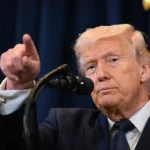
قبل أيام أثار تصريح الرئيس الأمريكي دونالد ترمب الذي حذر خلاله إيران من أن الولايات المتحدة قد تعيدها إلى العصر الحجري موجة من الجدل، فقد سارع الرئيس الإيراني بوصف هذا التصريح بأنه «جريمة حرب»، في محاولة لتوظيف هذا المصطلح في سياق سياسي وإعلامي، غير أن هذا الطرح يفتح الباب أمام تساؤلات جوهرية: هل يمكن اعتبار التهديد اللفظي جريمة حرب؟ أم أن الجريمة تتطلب وقوع فعل مادي على الأرض؟.
من الناحية النظرية يبدو أن التصريحات وحدها لا تعد جرائم حرب ما لم تقترن بأفعال أو تحريض مباشر على ارتكاب انتهاكات جسيمة، وبالتالي فإن استخدام هذا المصطلح في توصيف خطاب سياسي مهما كان حاداً أو صادماً قد يكون مبالغاً فيه كونه لم يتحوّل إلى سلوك عملي بالفعل، وهنا تبرز مفارقة لافتة تتعلق بمصداقية من يطلق هذا الاتهام، فالرئيس الإيراني الذي يُنظر إليه من قبل كثيرين على أنه لا يمتلك كامل الصلاحيات في ظل بنية سياسية معقدة تتحكم فيها مؤسسات أخرى، يطرح نفسه كمدافع وممثل للقانون الدولي، في حين أن بلاده قد تُتَّهم فعلاً بممارسات قد تندرج ضمن جرائم الحرب.
فعندما يتم استهداف دول لم تعلن الحرب على إيران كما حدث في حالات متعددة في منطقة الخليج، فإن ذلك يثير تساؤلات قانونية كثيرة، فالقانون الدولي يفرض احترام سيادة الدول ويحظر الاعتداء على أراضيها دون مبرر قانوني واضح، وإذا كانت هذه الهجمات تستهدف مناطق مدنية أو منشآت اقتصادية حيوية، فإنها قد ترقى إلى مستوى جرائم الحرب خاصة إذا أدت إلى إلحاق الضرر بالمدنيين.
كما أن استهداف منشآت مثل مصافي النفط أو البنية التحتية للطاقة يُعد انتهاكاً واضحاً وتناقضاً لا شك فيه في تصريحات الرئيس الإيراني، فهذه المنشآت مع أهميتها الاقتصادية تُعد في كثير من الحالات أهدافاً مدنية، واستهدافها يؤدي إلى أضرار واسعة النطاق تمس حياة السكان بشكل مباشر، سواء من خلال تعطيل الخدمات أو التسبّب في أزمات اقتصادية ومعيشية.
إن انتقائية الرئيس الإيراني في استخدام مصطلح «جريمة حرب» لا تعكس جهلاً بالمفهوم بقدر ما تكشف توظيفاً سياسياً له، فكيف يمكن لمن يدين تصريحاً بوصفه جريمة حرب أن يغضّ الطرف عن أفعال موثّقة على الأرض تمثّل انتهاكاً صارخاً لكل قواعد القانون الدولي؟ هذه الازدواجية لا يمكن تفسيرها إلا باعتبارها محاولة مكشوفة لتبرئة إيران حتى ولو كان الثمن تشويه الحقائق، فالقانون الدولي لا يُفصَّل على مقاس الدول، ولا يُستخدم كأداة دعائية تُستدعى عند الحاجة وتُهمَل عند الإدانة، إن هذا السلوك لا يسيء فقط إلى مصداقية الخطاب الإيراني فحسب، بل يضرب في العمق فكرة العدالة الدولية ذاتها، ويحوّل مفهوم «جريمة الحرب» من معيار أخلاقي وقانوني إلى شعار فارغ يُرفع حين يخدم المصالح ويُسقط حين يفضحها.
في النهاية تبقى جرائم الحرب قضية لا تحتمل التلاعب أو التسييس، فهي تمس حياة البشر بشكل مباشر وتتعلق بحقوق أساسية لا يمكن التنازل عنها، ومن هنا فإن أي حديث عن هذا المفهوم يجب أن يكون قائماً على الاتساق والمصداقية لا على الانتقائية والمصالح الضيقة، فالقانون الدولي ميزان للعدالة، وإذا اختل هذا الميزان فإن العالم سيدفع الثمن، ليس فقط في ساحات المعارك بل فيما يتعلق بفقدان الثقة في كل ما يمثل القانون والإنسانية.
In a world torn apart by conflicts and wars, where the language of threats intensifies, the term “war crime” emerges as one of the most important concepts that should regulate the behavior of states during wars. This term is not merely a political or media expression; it is a precise legal description governed by the rules of international law, foremost among them the Geneva Conventions, which were established to protect civilians and reduce the brutality of armed conflicts.
War crimes are serious inhumane violations committed during armed conflicts, including the direct targeting of civilians, bombing civilian targets such as homes, hospitals, and vital facilities, as well as using force disproportionately relative to the nature of the targets, or launching indiscriminate attacks that do not distinguish between military and civilian objectives. War crimes also include murder, genocide, torture, displacement, terrorism, unlawful detention, and persecution, whether carried out individually or collectively.
Recently, a statement by U.S. President Donald Trump, in which he warned Iran that the United States might return it to the Stone Age, sparked a wave of controversy. The Iranian president quickly described this statement as a “war crime,” attempting to employ this term in a political and media context. However, this raises fundamental questions: Can verbal threats be considered a war crime? Or does a crime require a physical act on the ground?
Theoretically, it seems that statements alone do not constitute war crimes unless they are accompanied by actions or direct incitement to commit serious violations. Therefore, using this term to describe political speech, no matter how harsh or shocking, may be exaggerated since it has not transformed into actual behavior. Here, an interesting paradox arises regarding the credibility of those making such accusations. The Iranian president, who is viewed by many as lacking full authority within a complex political structure controlled by other institutions, positions himself as a defender and representative of international law, while his country may indeed be accused of practices that fall under war crimes.
When states that have not declared war on Iran are targeted, as has happened multiple times in the Gulf region, it raises numerous legal questions. International law mandates respect for the sovereignty of states and prohibits aggression against their territories without a clear legal justification. If these attacks target civilian areas or vital economic facilities, they may rise to the level of war crimes, especially if they result in harm to civilians.
Additionally, targeting facilities such as oil refineries or energy infrastructure is a clear violation and an undeniable contradiction in the Iranian president’s statements. These facilities, despite their economic importance, are often considered civilian targets, and attacking them leads to widespread damage that directly affects the lives of the population, whether through service disruptions or causing economic and living crises.
The Iranian president’s selectivity in using the term “war crime” does not reflect ignorance of the concept as much as it reveals a political exploitation of it. How can someone who condemns a statement as a war crime turn a blind eye to documented actions on the ground that represent a blatant violation of all rules of international law? This duality can only be interpreted as an overt attempt to exonerate Iran, even at the cost of distorting the facts. International law is not tailored to the needs of states, nor is it used as a propaganda tool that is invoked when convenient and ignored when it condemns. This behavior not only undermines the credibility of Iranian discourse but also strikes at the very idea of international justice, transforming the concept of “war crime” from a moral and legal standard into an empty slogan raised when it serves interests and discarded when it exposes them.
In the end, war crimes remain an issue that cannot be manipulated or politicized; they directly affect human lives and relate to fundamental rights that cannot be compromised. Therefore, any discussion about this concept must be based on consistency and credibility, not selectivity and narrow interests. International law is a scale of justice, and if this scale is tipped, the world will pay the price, not only on the battlefields but also in terms of losing trust in everything that represents law and humanity.