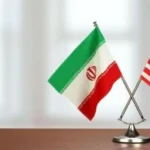


وسط توترٍ متصاعدٍ ومشهدٍ إقليميٍّ ودوليٍّ معقد، يترقّب العالم انعقاد الجولة الجديدة من المحادثات بين واشنطن وطهران، في محاولةٍ للحيلولة دون الوصول إلى حافة الهاوية واشتعال الحرب من جديد.
وفي هذا الإطار، تبدو المحادثات المرتقبة كمحاولة متبادلة لإدارة الصراع أكثر من كونها سعياً حقيقياً لتسوية شاملة، إذ إن الهدف الأمريكي الرئيسي يتبلور حول منع إيران من الاقتراب من العتبة النووية العسكرية، واحتواء سياساتها الإقليمية، مع تجنُّب الانزلاق لمواجهة عسكرية مباشرة قد تكون كُلفتها عالية داخلياً وخارجياً.
فيما تدخل إيران الجولة الجديدة، التي يمكن أن تكون مباشرةً للمرة الأولى، وسط أجواءٍ من الضغوط الاقتصادية الداخلية والعسكرية الخارجية، خصوصاً مع توالي وصول حاملات الطائرات والمدمرات والعتاد الأمريكي إلى المنطقة، الأمر الذي يحدُّ من قدرتها على المناورة.
ومن ثمَّ، فإن طهران تسعى إلى محاولة تخفيف التصعيد العسكري، والحصول على مكاسب اقتصادية حتى لو كانت جزئية، وإبعاد شبح الهجوم الأمريكي الذي باتت بعد حرب الـ12 يوماً الأخيرة تدرك تبعاته وانعكاساته السلبية.
ومن هنا، يبدو أن السيناريو الأرجح يتمثَّل في التوصل إلى تفاهمات محدودة، تركّز على خفض التصعيد، مع استمرار قنوات الحوار، إذ تبدو احتمالات التوصل إلى اتفاق شامل لمعالجة كل الملفات «ضعيفة»، لذا فإن خلاصة القول، ستكون الجولة المنتظرة بمثابة محطة للتهدئة ومنع الانفجار.
Amid escalating tensions and a complex regional and international scene, the world is awaiting the new round of talks between Washington and Tehran, in an attempt to prevent reaching the brink of disaster and reigniting war.
In this context, the upcoming talks appear to be more of a mutual attempt to manage the conflict rather than a genuine pursuit of a comprehensive settlement, as the main American objective crystallizes around preventing Iran from approaching the military nuclear threshold and containing its regional policies, while avoiding slipping into a direct military confrontation that could have high costs both domestically and internationally.
As Iran enters this new round, which could be direct for the first time, it does so amid pressures from internal economic challenges and external military threats, especially with the continuous arrival of American aircraft carriers, destroyers, and military equipment to the region, which limits its maneuverability.
Therefore, Tehran seeks to attempt to de-escalate military tensions, gain economic benefits even if partial, and distance itself from the specter of an American attack, the consequences and negative implications of which it has come to understand after the recent 12-day war.
From this perspective, it seems that the most likely scenario is to reach limited understandings focused on de-escalation, while maintaining channels of dialogue, as the chances of reaching a comprehensive agreement to address all issues seem “weak.” Thus, in summary, the anticipated round will serve as a station for calming tensions and preventing an explosion.