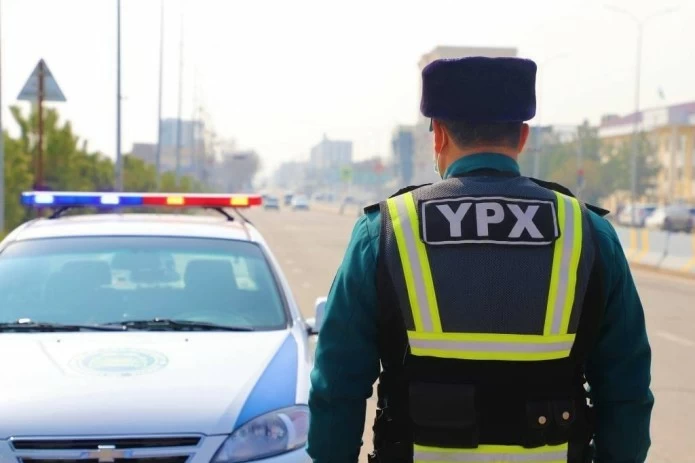
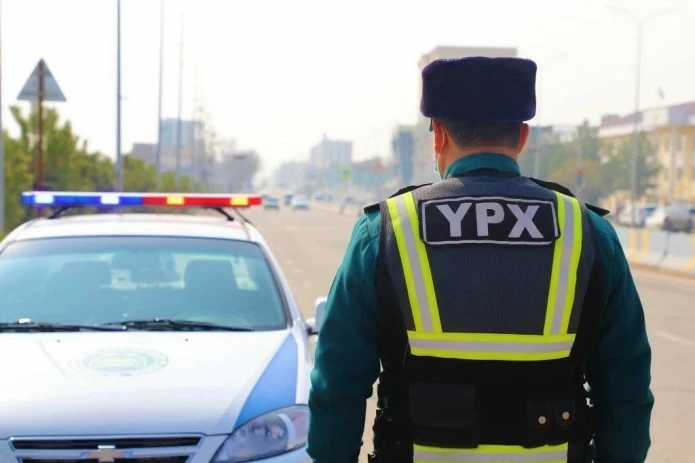
وقع رئيس أوزبكستان شوكت ميرضيائيف مرسوماً رئاسياً يحظر على المسؤولين والموظفين المدنيين استخدام السيارات الحكومية الرسمية يومين في كل شهر، ضمن حملة وطنية جديدة تحت عنوان «يوم بدون سيارة»، وذلك اعتباراً من 1 مايو القادم.
وينص المرسوم على تنظيم الحملة في اليوم العاشر واليوم الخامس والعشرين من كل شهر، تحت شعاري «يوم بدون سيارة» و«أسبوع بدون سيارة»، إذ يُفرض الحظر بشكل صارم على جميع الموظفين المدنيين في استخدام السيارات الرسمية خلال هذين اليومين، مع الحفاظ على رواتب السائقين كاملة في حال صادف اليوم يوم عمل.
ويأتي هذا القرار كجزء من مشروع وطني أوسع يحمل اسم «هواء نظيف»، بهدف تقليل التلوث البيئي، تحسين جودة الهواء في المدن، وتشجيع المواطنين والمسؤولين على تبني وسائل نقل أكثر استدامة.
كما تضمن المرسوم خطوات عملية أخرى لمكافحة التلوث، إذ سيتم قبل نهاية عام 2026 تقسيم أراضي العاصمة طشقند إلى مناطق بيئية متعددة، وسيُسمح بدخول السيارات إلى هذه المناطق وفق نظام تصنيف لوني للملصقات البيئية.
ووفقاً للتقسيم المرتقب إعلانه، سيتم وضع ملصق أحمر على السيارات الأعلى مستوى من انبعاثات العادم، واللون الأصفر للمستوى المتوسط، واللون الأخضر لأدنى مستوى انبعاثات، وستُفرض قيود على دخول السيارات ذات الملصقات الحمراء والصفراء إلى بعض المناطق، مع إمكانية دفع رسوم تعويضية سنوية في بعض الحالات.
وفي إطار تحديث أسطول المركبات وتشجيع التخلص من السيارات القديمة، أعلن المرسوم إطلاق برنامج «تريد-إن» اعتباراً من 1 أغسطس يتيح للأفراد والشركات تسليم سياراتهم المستهلكة مقابل تعويض جزئي عن فوائد القروض المخصصة لشراء مركبات جديدة، بهدف تسريع تجديد السيارات وتقليل الانبعاثات الضارة.
وتُعد أوزبكستان من الدول التي تواجه تحديات بيئية ملحوظة في المدن الكبرى، خصوصاً بسبب الازدحام المروري والاعتماد الكبير على السيارات القديمة ذات محركات الاحتراق الداخلي، ويأتي مشروع «هواء نظيف» ضمن جهود الرئيس ميرضيائيف لتحسين البيئة، تعزيز الاستدامة، ومواكبة المعايير البيئية الدولية.
The President of Uzbekistan, Shavkat Mirziyoyev, has issued a presidential decree prohibiting officials and civil servants from using official government cars two days each month, as part of a new national campaign titled “Car-Free Day,” starting from May 1st.
The decree stipulates that the campaign will be organized on the tenth and twenty-fifth days of each month, under the slogans “Car-Free Day” and “Car-Free Week,” with a strict ban imposed on all civil servants from using official cars during these two days, while ensuring that drivers receive their full salaries if the day coincides with a workday.
This decision is part of a broader national project named “Clean Air,” aimed at reducing environmental pollution, improving air quality in cities, and encouraging citizens and officials to adopt more sustainable modes of transportation.
The decree also includes other practical steps to combat pollution, as the capital city of Tashkent will be divided into multiple ecological zones before the end of 2026, and access for cars to these areas will be regulated according to a color-coded system for environmental stickers.
According to the anticipated classification to be announced, a red sticker will be placed on cars with the highest level of exhaust emissions, yellow for the medium level, and green for the lowest level of emissions. Restrictions will be imposed on the entry of cars with red and yellow stickers into certain areas, with the possibility of paying annual compensatory fees in some cases.
As part of updating the vehicle fleet and encouraging the disposal of old cars, the decree announces the launch of a “Trade-In” program starting from August 1st, allowing individuals and companies to hand over their worn-out cars in exchange for partial compensation on loans designated for purchasing new vehicles, aiming to accelerate the renewal of cars and reduce harmful emissions.
Uzbekistan is among the countries facing significant environmental challenges in major cities, particularly due to traffic congestion and a heavy reliance on old internal combustion engine vehicles. The “Clean Air” project is part of President Mirziyoyev’s efforts to improve the environment, promote sustainability, and align with international environmental standards.