دقّت ساعة الجنوب اللبناني، معلنةً دخول البلاد لحظة فاصلة لم تعرفها خلال حرب الإسناد. لم يكن إطلاق صواريخ «حزب الله» ليل الأحد الماضي، نحو شمالي إسرائيل، عملاً انتقامياً لمقتل المرشد الإيراني علي خامنئي، بل إعلان عملي بانتهاء المعادلة التي حكمت العلاقة بين الدولة اللبنانية والحزب على المستويات كافة، وإنهاء مفاعيل اتفاقية وقف إطلاق النار المعمول بها منذ 2024.
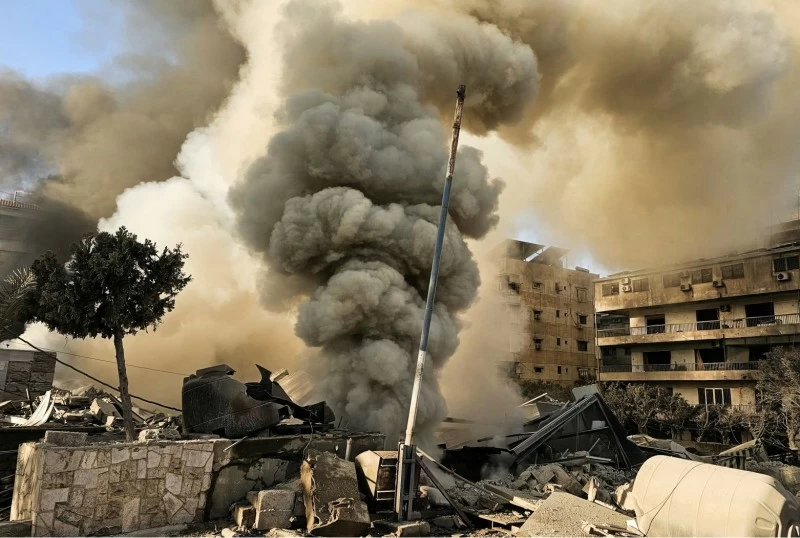
القرى والبلدات الواقعة على خط الليطاني أصبحت اليوم مسرحاً لتوتر عسكري غير مسبوق، بينما تتقدم إسرائيل بخطوات برية وإستراتيجية أكبر، وفق ما أكده وزير الدفاع الإسرائيلي يسرائيل كاتس، تشمل التوغل البري، إخلاء أكثر من 52 بلدة، طالت عمق الجنوب، في خطوة تتجاوز الاعتبارات الأمنية الآنية إلى إعادة رسم واقع ميداني جديد، بما يشبه احتلالاً مدروساً يهدف إلى فرض معادلة دائمة على الأرض.
في هذه اللحظة، ومع تشابك المعادلة العسكرية بالسياسية، يصبح السؤال الأكبر: ما الثمن الذي ستدفعه الدولة اللبنانية بفعل مقامرة «حزب الله» إذا استمر التصعيد؟
المشكلة لم تكن في اختلاف تقدير أو سوء قراءة، فما جرى بدّل قواعد اللعبة. المناخ اللبناني السياسي الذي سبق التصعيد كان يميل إلى تجنب انخراط «حزب الله» المباشر، والرهان كان على إبقاء البلاد خارج المواجهة الكبرى. لكن ما حدث أن الحزب اتخذ قرار إطلاق الصواريخ، وقلب المعادلة فارضاً واقعاً جديداً على الجميع، الحلفاء قبل الخصوم. هنا تحديداً بدأت اللحظة الفاصلة: لم يعد ممكناً الاستمرار في معادلة الغموض، ولا في الفصل النظري بين الدولة والسلاح.
رد فعل الحكومة كان غير مسبوق. قرار حظر النشاط العسكري والأمني للحزب لم يكن إجراءً تقنياً، بل إعلان سياسي بأن قرار الحرب والسلم لا يمكن أن يبقى خارج الشرعية. هذه الخطوة، مهما تأخر صدورها، وضعت خطاً فاصلاً للمرة الأولى بهذا الوضوح. لم تسقط الدولة، بل اضطرت إلى تعريف نفسها من جديد، وأن تقول إن ما فعله «حزب الله» خارج عن شرعيتها.
ولأن السياسة لا تجري في الفراغ، قرأت إسرائيل اللحظة بطريقة مختلفة تماماً. بالنسبة لها، ما حدث ليس مجرد فعل انتقامي، بل فرصة لإعادة تشكيل الواقع الحدودي وفق مخطط إستراتيجي مدروس. التوغل البري الذي بدأته ليس خطوة لحظية، بل جزء من خطة شاملة لضمان السيطرة على الجنوب ومنع أي تهديد مستقبلي على المستوطنات الحدودية، مع توسيع نطاق النفوذ وإعادة فرض المعادلة الأمنية بما يخدم مصالحها على الأرض. بهذا المعنى، لم يعد السؤال ما إذا كانت إسرائيل ستتوقف عند حدود الرد، بل أي واقع ستسعى إلى تثبيته على الأرض. فالتوغل البري حين يبدأ لا يكون خطوة معزولة، بل مقدمة لمسار سياسي وأمني متكامل. ومن هنا تتبلور ثلاثة مسارات محتملة لمستقبل الجنوب اللبناني، لكل منها كلفته وحدوده وتداعياته:
السيناريو الأول:
يتمثّل في تثبيت واقع ميداني دائم جنوب الليطاني. ليس بالضرورة عبر إعلان رسمي عن احتلال، بل من خلال انتشار طويل الأمد وتوسيع نطاق العمليات، ومنع عودة السكان إلى عدد كبير من البلدات بحجة الضرورات الأمنية. هذا النوع من الوقائع يصنع حقائق تتجاوز أي تفاوض لاحق، ويضع الدولة أمام أمر واقع جغرافي وأمني.
السيناريو الثاني:
يتعلق بطبيعة التفاوض نفسه. إسرائيل ستدفع باتجاه مفاوضات أمنية مباشرة، متحررة من الأطر السابقة، لفرض ترتيبات ملزمة تتعلق بانتشار الجيش اللبناني وحصرية كل أنوع السلاح. في ظل قرار الحظر الصادر عن الحكومة، يمكن لتل أبيب أن تقول إن المشكلة ليست مع الدولة، بل مع تنظيم أصبح خارج القانون اللبناني، ما يمنحها هامشاً أوسع للمطالبة بضمانات صارمة.
السيناريو الثالث:
فهو توسيع دائرة الضغط نحو البقاع، إذا رأت إسرائيل أن حسم الجنوب لا يكفي لتغيير المعادلة. نقل مركز الثقل إلى العمق يعني أن الحرب لن تبقى حدودية، وهذا الخيار يحمل مخاطر كبيرة على لبنان ككل، لكنه يبقى مطروحاً في الحسابات الإسرائيلية.
فرض ترتيبات مختلفة على لبنان
إلى جانب البُعد العسكري، هناك بعدٌ سياسيٌّ لا يقل خطورة. فقد تسعى إسرائيل إلى استثمار قرار الحكومة اللبنانية بحظر النشاط العسكري للحزب لتقول أمام المجتمع الدولي إن الدولة نفسها أقرت بوجود قوة مسلحة خارج شرعيتها، وإن المشكلة ليست عدواناً إسرائيلياً، بل عجز لبناني عن ضبط قرار الحرب والسلم داخل أراضيه. إذا ترسخ هذا الخطاب دولياً، فإن النقاش لن يتركز على وقف العمليات فقط، بل سيتحول إلى فرض ترتيبات مختلفة على لبنان كتقديم ضمانات إضافية، وتوسيع دور الرقابة الدولية جنوب الليطاني، وفرض قيود على حركته تحت عنوان الاستقرار.
الواقع الآن واضح: الجنوب اللبناني قد يتحول إلى ساحة تُرسم فيها توازنات جديدة، والمسألة لم تعد كيفية إدارة التصعيد، بل من يملك حق تحديد مستقبل الجنوب: الدولة، أم الوقائع التي تُفرض تحت النار؟
The clock has struck for southern Lebanon, announcing the country’s entry into a pivotal moment it has not known during the support war. The launch of rockets by “Hezbollah” last Sunday night towards northern Israel was not an act of revenge for the killing of Iranian leader Ali Khamenei, but a practical declaration of the end of the equation that governed the relationship between the Lebanese state and the party at all levels, and the termination of the effects of the ceasefire agreement in effect since 2024.
The villages and towns located along the Litani River have today become a stage for unprecedented military tension, while Israel advances with larger ground and strategic steps, as confirmed by Israeli Defense Minister Israel Katz, which include ground incursions, the evacuation of more than 52 towns, reaching deep into the south, in a move that goes beyond immediate security considerations to redraw a new field reality, resembling a calculated occupation aimed at imposing a permanent equation on the ground.
At this moment, with the intertwining of military and political equations, the biggest question becomes: what price will the Lebanese state pay due to Hezbollah’s gamble if the escalation continues?
The problem was not one of differing assessments or misreading; what happened changed the rules of the game. The Lebanese political climate prior to the escalation leaned towards avoiding direct involvement by Hezbollah, with hopes of keeping the country out of the major confrontation. However, what occurred was that the party made the decision to launch rockets, flipping the equation and imposing a new reality on everyone, allies and adversaries alike. This is precisely where the pivotal moment began: it was no longer possible to continue in the equation of ambiguity, nor in the theoretical separation between the state and the weapon.
The government’s reaction was unprecedented. The decision to ban the military and security activities of the party was not a technical measure, but a political declaration that the decision of war and peace cannot remain outside of legitimacy. This step, no matter how delayed its issuance, established a clear dividing line for the first time in such clarity. The state did not collapse; rather, it was forced to redefine itself and to say that what Hezbollah did is outside its legitimacy.
And because politics does not occur in a vacuum, Israel read the moment in a completely different way. For it, what happened is not just an act of revenge, but an opportunity to reshape the border reality according to a carefully studied strategic plan. The ground incursion it initiated is not a momentary step, but part of a comprehensive plan to ensure control over the south and prevent any future threat to the border settlements, while expanding its influence and re-imposing the security equation in a way that serves its interests on the ground. In this sense, the question is no longer whether Israel will stop at the limits of response, but what reality it will seek to establish on the ground. For when a ground incursion begins, it is not an isolated step, but a prelude to a comprehensive political and security path. From here, three potential paths for the future of southern Lebanon crystallize, each with its costs, limits, and implications:
Scenario One:
This involves establishing a permanent field reality south of the Litani. Not necessarily through an official declaration of occupation, but through a long-term presence and expansion of operations, preventing the return of residents to a large number of towns under the pretext of security necessities. This type of reality creates facts that transcend any subsequent negotiations and places the state before a geographical and security reality.
Scenario Two:
This relates to the nature of the negotiations themselves. Israel will push for direct security negotiations, free from previous frameworks, to impose binding arrangements regarding the deployment of the Lebanese army and the exclusivity of all types of weapons. In light of the ban issued by the government, Tel Aviv can argue that the problem is not with the state, but with an organization that has become outside Lebanese law, which gives it a broader margin to demand strict guarantees.
Scenario Three:
This involves expanding the pressure towards the Bekaa Valley if Israel sees that resolving the situation in the south is not enough to change the equation. Shifting the center of gravity to the interior means that the war will not remain confined to the borders, and this option carries significant risks for Lebanon as a whole, but it remains on the table in Israeli calculations.
Imposing Different Arrangements on Lebanon
Alongside the military dimension, there is a political dimension that is no less dangerous. Israel may seek to exploit the Lebanese government’s decision to ban the party’s military activity to argue before the international community that the state itself has acknowledged the existence of an armed force outside its legitimacy, and that the problem is not Israeli aggression, but Lebanese incapacity to control the decision of war and peace within its territory. If this discourse becomes entrenched internationally, the discussion will not focus solely on halting operations, but will shift to imposing different arrangements on Lebanon, such as providing additional guarantees, expanding the role of international oversight south of the Litani, and imposing restrictions on its movement under the banner of stability.
The reality now is clear: southern Lebanon may become a stage where new balances are drawn, and the question is no longer how to manage the escalation, but who has the right to determine the future of the south: the state, or the realities imposed under fire?