

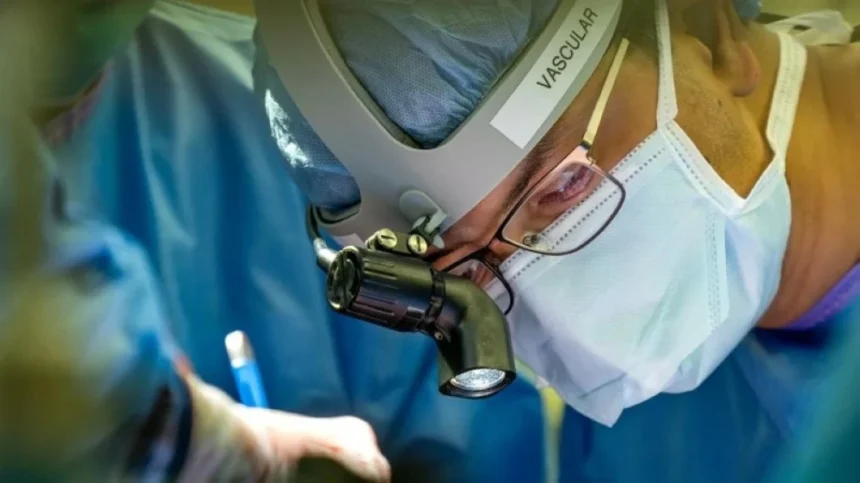
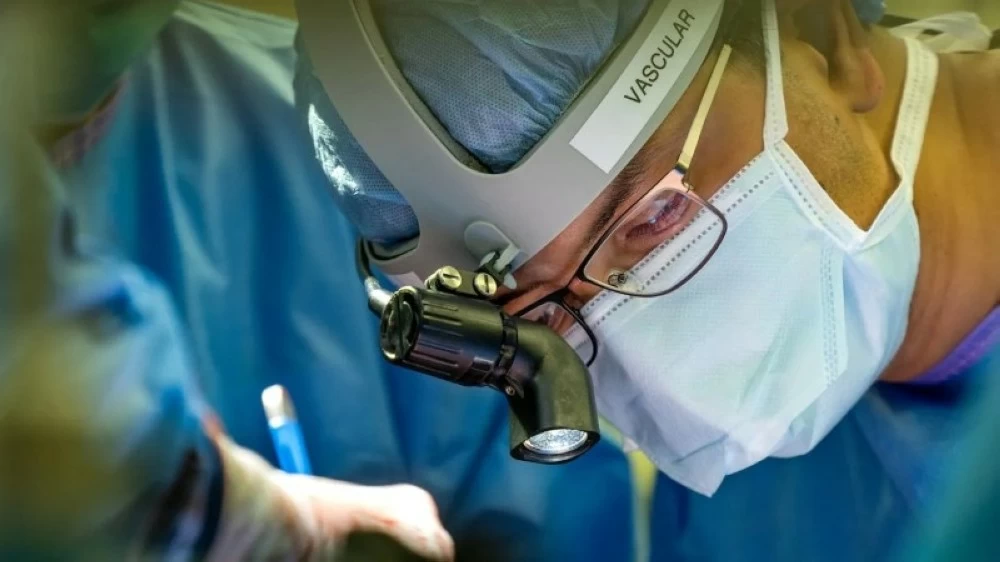
في إنجاز طبي غير مسبوق، تمكّن أطباء وجراحون في مستشفى نورث وسترن ميديسن بمدينة شيكاغو من إبقاء مريض في حالة حرجة على قيد الحياة لمدة 48 ساعة بعد إزالة رئتيه بالكامل، وفق ما أعلن المستشفى.
48 ساعة بلا رئتين
وكان المريض، بحسب شبكة «فوكس نيوز» وهو رجل يبلغ من العمر 33 عاماً من ولاية ميزوري، قد نُقل جواً إلى مستشفى نورث وسترن التذكاري في ربيع عام 2023 بعد إصابته بفشل رئوي حاد ناتج عن عدوى إنفلونزا، ومع تدهور حالته، تطورت الإصابة إلى التهاب رئوي شديد وتعفن دم (إنتان)، ما أدى إلى توقف قلبه واضطرار الفريق الطبي إلى إجراء الإنعاش القلبي الرئوي.
وقال رئيس جراحة الصدر المدير التنفيذي لمعهد نورث وسترن كانينغ لجراحة الصدر الدكتور أنكيت بهارات: إن المريض أصيب بعدوى رئوية شديدة مقاومة لجميع أنواع المضادات الحيوية، مضيفاً: «العدوى تسببت في تدمير أنسجة الرئتين بشكل كامل، ثم بدأت بالانتشار إلى باقي أنحاء الجسم».
وأوضح الأطباء أن إزالة الرئتين كانت الخيار الوحيد لوقف انتشار العدوى القاتلة، إلا أن هذا الإجراء ينطوي على خطر كبير يتمثل في فشل القلب الفوري، نظراً للدور الحيوي الذي تلعبه الرئتان في تخفيف الضغط عن الجانب الأيمن من القلب وتنظيم تدفق الدم.
وأضاف بهارات: «عند إزالة الرئتين، يضطر القلب إلى ضخ الدم في مواجهة مقاومة عالية، ما قد يؤدي إلى فشله بشكل فوري، كما أن غياب تدفق الدم الطبيعي من الرئتين إلى القلب الأيسر قد يؤدي إلى انهيار حجرات القلب أو تشكل جلطات قاتلة».
رئة صناعية كاملة لإنقاذ الحياة
ولمواجهة هذا التحدي، صمّم الفريق الطبي نظاماً مبتكراً أُطلق عليه اسم «نظام الرئة الاصطناعية الكاملة» (TAL)، تولّى وظائف تبادل الغازات (تزويد الجسم بالأكسجين والتخلص من ثاني أكسيد الكربون)، إلى جانب الحفاظ على تدفق الدم الطبيعي إلى القلب، بينما ظل المريض على أجهزة دعم الحياة.
وأوضح بهارات أن الابتكار الأبرز في هذا النظام يتمثّل في أنه يحافظ على الوظيفة الفيزيولوجية الطبيعية للقلب، إذ يسمح لتدفق الدم بأن ينظَّم ذاتياً بواسطة قلب المريض، بدلاً من فرضه عبر آلة خارجية.
وقال: «بعد يوم واحد فقط من إزالة الرئتين، بدأ تحسن ملحوظ في حالة المريض لأن مصدر العدوى أُزيل بالكامل».
وبعد مرور 48 ساعة، استقرت حالة المريض بما يكفي لإجراء زراعة رئتين مزدوجة ناجحة. وبعد مرور نحو عامين على العملية، عاد المريض إلى حياته الطبيعية.
وأكد بهارات أن حالة المريض الصحية ممتازة، موضحاً أنه يتمتع بوظائف رئوية جيدة، وقلب سليم، ويعيش باستقلالية كاملة دون قيود.
إنجاز طبي غير مسبوق
وأشار الفريق الطبي إلى أن هذه هي المرة الأولى التي يُستخدم فيها هذا النوع المحدد من الأنظمة بنجاح. ورغم أن محاولات سابقة لإزالة الرئتين مؤقتاً بانتظار الزراعة أُجريت في حالات نادرة، فإنها كانت تواجه مخاطر كبيرة تتعلق باضطراب تدفق الدم وتكوّن الجلطات.
وبيّن بهارات أن النظام الجديد يتميز بوجود تحويلة ذاتية التنظيم تحاكي الخصائص الفيزيائية الطبيعية للرئتين، إضافة إلى استخدام قناتين لإعادة الدم، ما يحافظ على تدفقه الطبيعي داخل حجرات القلب الأيسر.
وفي دراسة حالة نُشرت الأسبوع الماضي في مجلة Med التابعة لمجموعة Cell Press، كشف تحليل جزيئي للرئتين المستأصلتين عن وجود تندّبات واسعة وتلف شديد، ما يدعم الرأي القائل إن زراعة الرئة قد تكون الخيار الوحيد في بعض الحالات المتقدمة من متلازمة الضائقة التنفسية الحادة.
أمل جديد لمرضى الضائقة التنفسية
ويأمل الباحثون أن يشكّل نظام الرئة الاصطناعية الكاملة خياراً علاجياً لمرضى ينتظرون زراعة رئة، خصوصاً أولئك المصابين بمتلازمة الضائقة التنفسية الحادة المصحوبة بالتهاب رئوي نَخِري أو صدمة إنتانية.
وقال بهارات إن معدل الوفيات في هذه الفئة من المرضى يتجاوز 80%، وغالباً ما يُرفضون كمرشحين لزراعة الرئة بسبب شدة العدوى. وأضاف: «هذه التقنية تتيح لنا إزالة مصدر العدوى، تثبيت حالة المريض، ومنحه فرصة حقيقية للوصول إلى زراعة ناجحة».
وأشار إلى أن الهدف المستقبلي يتمثل في تطوير رئات اصطناعية قابلة للزرع بشكل دائم، تسمح للمرضى بالعيش لفترات طويلة، وليس فقط كحل مؤقت بانتظار الزراعة.
In an unprecedented medical achievement, doctors and surgeons at Northwestern Medicine in Chicago managed to keep a critically ill patient alive for 48 hours after completely removing his lungs, according to the hospital’s announcement.
48 Hours Without Lungs
The patient, according to Fox News, is a 33-year-old man from Missouri who was airlifted to Northwestern Memorial Hospital in the spring of 2023 after suffering from acute respiratory failure due to a flu infection. As his condition deteriorated, the infection progressed to severe pneumonia and sepsis, leading to cardiac arrest and the medical team having to perform cardiopulmonary resuscitation.
Dr. Ankit Bharat, the Chief of Thoracic Surgery and Executive Director of the Northwestern Canning Institute for Thoracic Surgery, stated that the patient had developed a severe lung infection resistant to all types of antibiotics, adding, “The infection completely destroyed the lung tissue and then began to spread to the rest of the body.”
The doctors explained that removing the lungs was the only option to stop the spread of the deadly infection, but this procedure carries a significant risk of immediate heart failure, given the vital role the lungs play in relieving pressure on the right side of the heart and regulating blood flow.
Bharat added, “When the lungs are removed, the heart has to pump blood against high resistance, which can lead to immediate failure. Additionally, the absence of normal blood flow from the lungs to the left heart can cause the heart chambers to collapse or lead to the formation of fatal clots.”
Complete Artificial Lung to Save Lives
To meet this challenge, the medical team designed an innovative system called the “Total Artificial Lung” (TAL), which took over the gas exchange functions (supplying the body with oxygen and removing carbon dioxide), while maintaining normal blood flow to the heart, as the patient remained on life support machines.
Bharat explained that the most significant innovation in this system is that it preserves the natural physiological function of the heart, allowing blood flow to be self-regulated by the patient’s heart, rather than being forced through an external machine.
He stated, “Just one day after the lungs were removed, there was a noticeable improvement in the patient’s condition because the source of the infection was completely removed.”
After 48 hours, the patient’s condition stabilized enough to successfully perform a double lung transplant. Nearly two years after the procedure, the patient returned to his normal life.
Bharat confirmed that the patient’s health is excellent, noting that he has good lung function, a healthy heart, and lives completely independently without restrictions.
Unprecedented Medical Achievement
The medical team pointed out that this is the first time this specific type of system has been successfully used. Although previous attempts to temporarily remove the lungs while waiting for a transplant have been conducted in rare cases, they faced significant risks related to blood flow disruption and clot formation.
Bharat explained that the new system features a self-regulating shunt that mimics the natural physical characteristics of the lungs, in addition to using two channels to return blood, which maintains its normal flow within the left heart chambers.
In a case study published last week in the Med journal from Cell Press, a molecular analysis of the removed lungs revealed extensive scarring and severe damage, supporting the view that lung transplantation may be the only option in some advanced cases of acute respiratory distress syndrome.
A New Hope for Patients with Respiratory Distress
Researchers hope that the Total Artificial Lung system will provide a treatment option for patients awaiting lung transplants, especially those suffering from acute respiratory distress syndrome associated with necrotizing pneumonia or septic shock.
Bharat stated that the mortality rate in this patient group exceeds 80%, and they are often rejected as candidates for lung transplantation due to the severity of the infection. He added, “This technology allows us to remove the source of the infection, stabilize the patient’s condition, and give them a real chance for a successful transplant.”
He noted that the future goal is to develop permanently implantable artificial lungs that allow patients to live for extended periods, not just as a temporary solution while waiting for a transplant.