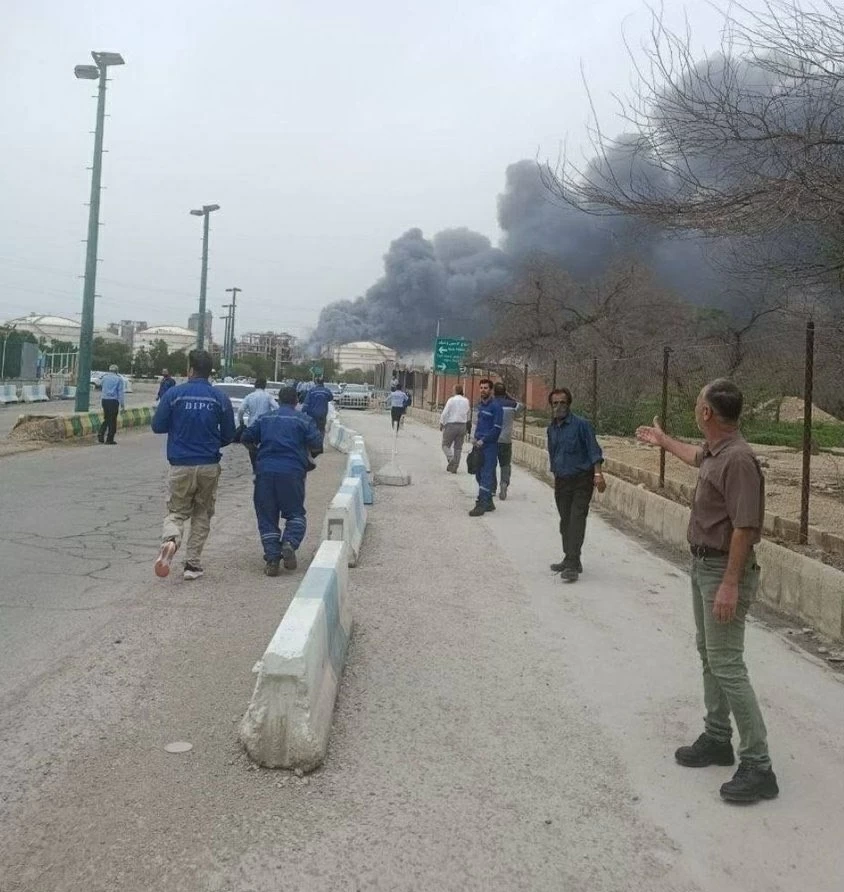
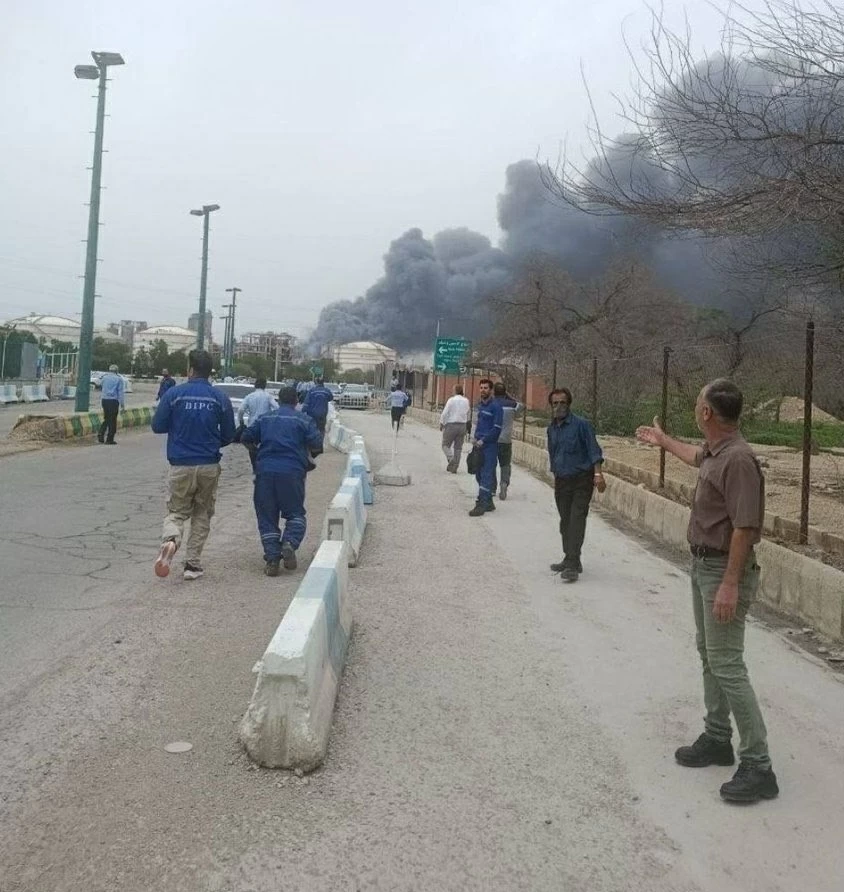
فيما أكدت هيئة البث الإسرائيلي أن أمريكا أبلغت إسرائيل رسمياً بأن المفاوضات مع إيران وصلت إلى طريق مسدود، أكدت وسائل إعلام أمريكية اليوم (السبت) أن جهود الوساطة مستمرة لكنها لم تتوصل إلى أي نتيجة تذكر.
وذكر موقع «إكسيوس» الأمريكي أن الجهود الدبلوماسية التي تقودها باكستان وتركيا ومصر للتوصل إلى اتفاق لوقف إطلاق النار بين الولايات المتحدة وإيران مقابل إعادة فتح مضيق هرمز مستمرة.
ونقل الموقع عن مصدرين مشاركين في المحادثات، أن المفاوضات غير المباشرة بين واشنطن وطهران جرت خلال الأيام العشرة الماضية عبر باكستان ومصر وتركيا، لكنها لم تحقق تقدماً يُذكر حتى الآن، فيما قال أحد المصدرين إن إيران رفضت حتى الآن أي مقترح لوقف إطلاق نار مؤقت، وطالبت بإنهاء دائم للحرب مع ضمانات واضحة بعدم شن الولايات المتحدة هجمات جديدة.
وأوضح الموقع أن المفاوضات يقودها نائب الرئيس الأمريكي جيه دي فانس، ورئيس البرلمان الإيراني محمد باقر قاليباف، بوساطة قائد الجيش الباكستاني عاصم منير، كما يشارك فيها مبعوث البيت الأبيض ستيف ويتكوف، ووزراء خارجية إيران وباكستان وتركيا ومصر، موضحاً أن الوسطاء يحاولون حالياً دفع الجانبين إلى عقد لقاء مباشر، لكن دون تحقيق اختراق يُذكر حتى الآن.
في الوقت ذاته، ذكرت هيئة البث الإسرائيلي أن احتمال التوصل إلى اتفاق بين واشنطن وطهران ضئيل جداً، مبينة أن أمريكا أبلغت إسرائيل رسمياً بأن المفاوضات مع إيران وصلت إلى طريق مسدود.
وأفادت الهيئة بأن أمريكا تتجه نحو التصعيد ما لم تحدث تطورات في اللحظات الأخيرة مع إيران، فيما قالت القناة 15 إن هناك توقعات إسرائيلية باستمرار الحرب لعدة أسابيع أخرى.
وأوضحت القناة الإسرائيلية أن إسرائيل تتوقع تلقي ضوء أخضر أمريكي لاستهداف منشآت الطاقة الإيرانية وأن الاستعدادات جارية لشن هجوم على تلك المنشآت.
وذكرت القناة أن رئيس الوزراء الإسرائيلي بنيامين نتنياهو صادق أمس على أهداف إضافية في إيران.
وقال رئيس الوزراء الإسرائيلي: «الهجوم على مصانع البتروكيماويات ضربة قوية للنظام الإيراني»، موضحاً أن قواته استهدفت المصانع البتروكميائية ومصانع الصلب في إيران.
While the Israeli Broadcasting Authority confirmed that America officially informed Israel that negotiations with Iran have reached a dead end, American media reported today (Saturday) that mediation efforts are ongoing but have not yielded any significant results.
The American website “Axios” reported that diplomatic efforts led by Pakistan, Turkey, and Egypt to reach a ceasefire agreement between the United States and Iran in exchange for reopening the Strait of Hormuz are continuing.
The site quoted two sources involved in the talks, stating that indirect negotiations between Washington and Tehran have taken place over the past ten days through Pakistan, Egypt, and Turkey, but have not made any significant progress so far. One of the sources mentioned that Iran has so far rejected any proposal for a temporary ceasefire and demanded a permanent end to the war with clear guarantees against new U.S. attacks.
The site clarified that the negotiations are led by U.S. Vice President J.D. Vance and Iranian Parliament Speaker Mohammad Baqer Qalibaf, with mediation from Pakistani Army Chief Asim Munir. The White House envoy Steve Wietkoff, along with the foreign ministers of Iran, Pakistan, Turkey, and Egypt, are also participating. It noted that the mediators are currently trying to push both sides to hold a direct meeting, but no significant breakthrough has been achieved so far.
At the same time, the Israeli Broadcasting Authority reported that the likelihood of reaching an agreement between Washington and Tehran is very slim, indicating that America has officially informed Israel that negotiations with Iran have reached a dead end.
The authority stated that America is heading towards escalation unless last-minute developments occur with Iran, while Channel 15 reported that there are Israeli expectations for the war to continue for several more weeks.
The Israeli channel explained that Israel expects to receive a green light from the U.S. to target Iranian energy facilities and that preparations are underway to launch an attack on those facilities.
The channel reported that Israeli Prime Minister Benjamin Netanyahu approved additional targets in Iran yesterday.
Israeli Prime Minister stated: “The attack on petrochemical plants is a strong blow to the Iranian regime,” explaining that his forces targeted petrochemical plants and steel factories in Iran.