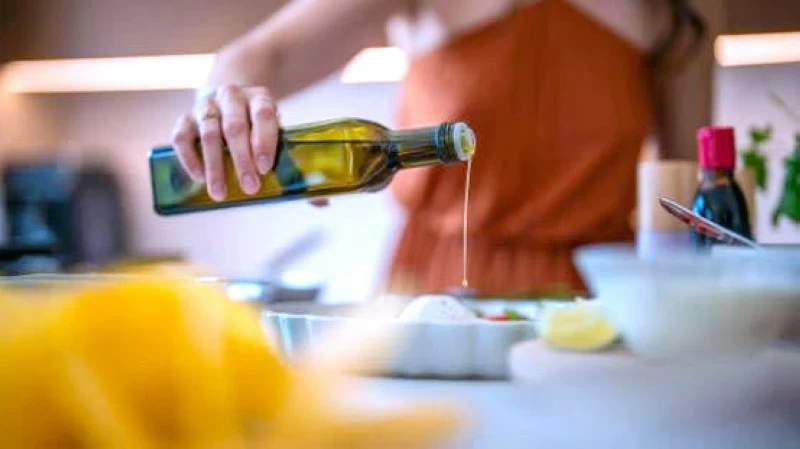
أعادت دراسات غذائية حديثة النقاش حول مدى تأثر زيت الزيتون بالحرارة، مؤكدة أن استخدامه في الطهي، بما في ذلك القلي والخبز، لا يؤدي بالضرورة إلى فقدان قيمته الغذائية كما يُشاع، وفق أبحاث منشورة في دورية Food Chemistry المتخصصة في كيمياء الأغذية وتحليل المركبات الغذائية تحت تأثير الحرارة.
وخلصت التحليلات المخبرية إلى أن زيت الزيتون البكر الممتاز يتمتع بتركيبة فريدة من الدهون الأحادية غير المشبعة، إضافة إلى مركبات فينولية ومضادات أكسدة تساهم في استقراره النسبي عند درجات الحرارة المنزلية المعتادة. وأظهرت النتائج أن تعريض الزيت لحرارة معتدلة ضمن نطاق الطهي اليومي لا يؤدي إلى تحلل سريع لمكوناته المفيدة مقارنة ببعض الزيوت النباتية الأخرى الغنية بالدهون المتعددة غير المشبعة.
الباحثون أشاروا إلى أن نقطة تدخين زيت الزيتون تجعله مناسباً لعدد واسع من الاستخدامات المنزلية، بما في ذلك التحمير السريع والخبز، مؤكدين أن التحلل الضار يحدث غالباً عند تجاوز درجات حرارة مرتفعة لفترات طويلة، وهو ما ينطبق على معظم أنواع الزيوت وليس زيت الزيتون تحديداً.
كما أظهرت بعض التجارب أن انتقال مركباته المضادة للأكسدة إلى الخضروات أثناء الطهي قد يعزز القيمة الغذائية للوجبة، بدل أن يقللها. ومع ذلك، شدد العلماء على ضرورة تجنّب إعادة استخدام الزيت مرات متعددة، لأن الأكسدة التراكمية قد تؤثر في الجودة والسلامة الغذائية.
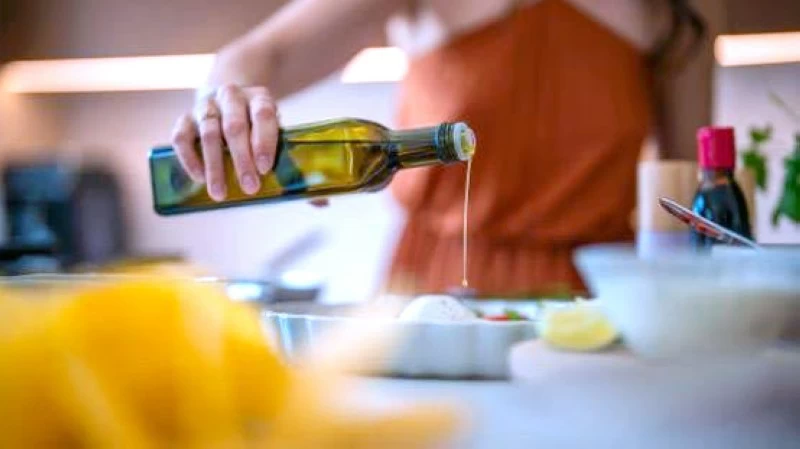
Recent nutritional studies have reignited the debate over the effects of heat on olive oil, confirming that its use in cooking, including frying and baking, does not necessarily lead to a loss of its nutritional value as commonly believed, according to research published in the journal Food Chemistry, which specializes in food chemistry and the analysis of food compounds under heat exposure.
Laboratory analyses concluded that extra virgin olive oil has a unique composition of monounsaturated fats, in addition to phenolic compounds and antioxidants that contribute to its relative stability at typical household temperatures. The results showed that exposing the oil to moderate heat within the range of daily cooking does not lead to a rapid breakdown of its beneficial components compared to some other vegetable oils rich in polyunsaturated fats.
The researchers noted that the smoke point of olive oil makes it suitable for a wide range of household uses, including quick frying and baking, emphasizing that harmful degradation often occurs when high temperatures are exceeded for prolonged periods, which applies to most types of oils and not specifically to olive oil.
Some experiments also showed that the transfer of its antioxidant compounds to vegetables during cooking may enhance the nutritional value of the meal, rather than diminish it. However, scientists stressed the importance of avoiding the reuse of oil multiple times, as cumulative oxidation may affect quality and food safety.