

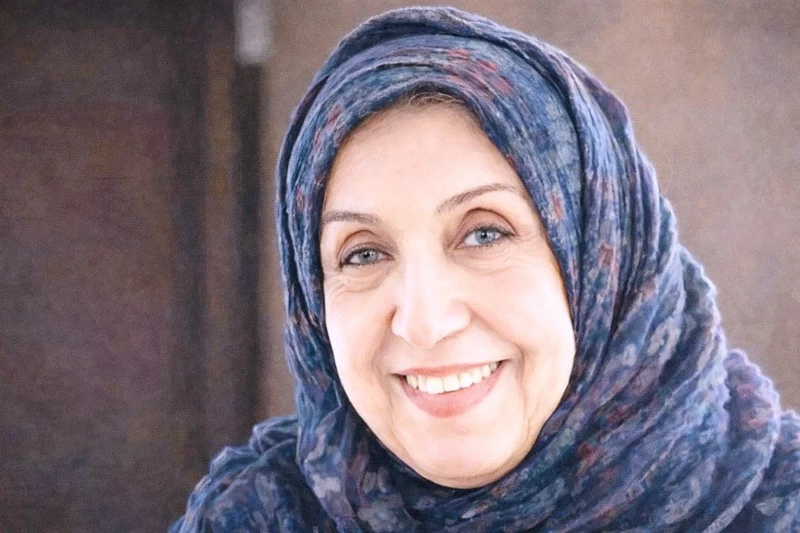
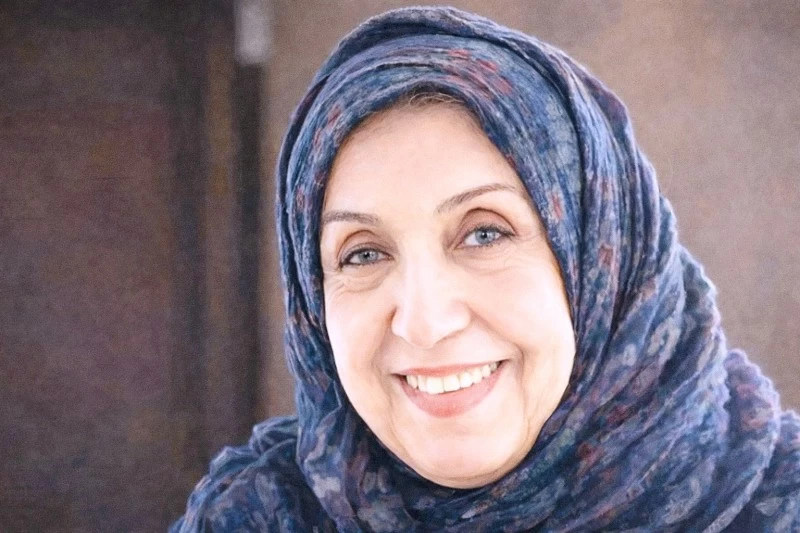
ليست كل السِّيَر تُروى بوصفها محطات زمنية، فبعضها يُقرأ باعتباره تأسيساً هادئاً لمسار علمي كامل. وفي هذه الزاوية، التي تُعنى باستعادة نماذج مضيئة من العلماء السعوديين الذين أسهموا في بناء المعرفة الحديثة، نقف أمام تجربة الدكتورة سميرة إبراهيم إسلام؛ اسمٌ ارتبط بعلم الأدوية، وبمرحلة مفصلية في ترسيخ البحث الصيدلاني داخل الجامعات السعودية.
حين نالت درجة الدكتوراه، كانت أول سعودية تبلغ هذه المرتبة العلمية، في وقت لم يكن الطريق إلى التخصصات الطبية الدقيقة ميسوراً كما هو اليوم. ذلك الإنجاز لم يكن حدثاً شخصياً معزولاً، بل لحظة تحوّل في مسار التعليم العالي النسائي في المملكة، وإشارة واضحة إلى أن الكفاءة العلمية قادرة على اختراق السقف الاجتماعي وبناء واقع جديد.
ثم جاءت الأستاذية في علم الأدوية لتمنح هذا التحوّل بعده المؤسِّس؛ إذ أصبحت أول السعوديين رجالاً ونساءً يحصلون على درجة الأستاذية في هذا التخصص. لم يكن اللقب نهاية مسار، بل بداية لمدرسة بحثية وطنية قائمة على القياس الدقيق للدواء، ودراسة فاعليته وسلامته، وربط النتائج المخبرية بالممارسة العلاجية.
نشرت نحو 75 بحثاً علمياً، من بينها 32 بحثاً في مجلات علمية محكّمة، عالجت موضوعات تتصل بقياس التراكيز الدوائية، والاستجابة العلاجية، وضبط الجرعات، ما أسهم في ترسيخ ثقافة علمية دقيقة داخل البيئة الجامعية السعودية، وجعل البحث الصيدلاني المحلي أكثر حضوراً وموثوقية.
وتولّت رئاسة وحدة قياس ومراقبة الأدوية في مركز الملك فهد للبحوث الطبية بجامعة الملك عبدالعزيز، حيث قادت جهوداً علمية لضبط جودة الأدوية وتحليلها وفق معايير مخبرية صارمة. كما شغلت منصب مستشار إقليمي في المكتب الإقليمي لمنظمة الصحة العالمية لبرنامج الأدوية الأساسية بين 1416هـ/1996 و1418هـ/1998، في موقع يعكس ثقة دولية بخبرتها وإسهامها في السياسات الدوائية.
امتدت خدمتها الأكاديمية من 1391هـ/1971 حتى 1424هـ/2003، وأسهمت في إعداد أجيال من الصيادلة والباحثين. وشاركت في لقاء الحوار الوطني السابع عام 1429هـ/2008، ونالت لقب «شخصية المنتدى» لعام 2013 من المنتدى العربي للبحث العلمي والتنمية المستدامة، الذي نظمته «الألكسو»، إضافة إلى ترشحها لجائزة المرأة والعلوم من «اليونسكو» ضمن 33 امرأة عالمياً.
بهذه المسيرة، لم تكن سميرة إسلام سابقةً زمنية فحسب، بل ركيزة علمية أسهمت في إعادة تعريف البحث الدوائي في المملكة، وتركت أثراً يتجاوز سيرتها إلى مؤسسات وأجيال كاملة.
Not all biographies are narrated as mere chronological milestones; some are read as a quiet foundation for a complete scientific journey. In this section, which focuses on recalling illuminating examples of Saudi scholars who contributed to building modern knowledge, we highlight the experience of Dr. Samira Ibrahim Islam; a name associated with pharmacology and a pivotal phase in establishing pharmaceutical research within Saudi universities.
When she earned her doctorate, she became the first Saudi woman to reach this academic rank, at a time when the path to precise medical specialties was not as accessible as it is today. This achievement was not an isolated personal event but a transformative moment in the trajectory of women’s higher education in the Kingdom, and a clear indication that scientific competence can break through social ceilings and create a new reality.
Then came her professorship in pharmacology, which gave this transformation its foundational dimension; she became the first among both Saudi men and women to obtain a professorship in this specialty. The title was not the end of a journey but the beginning of a national research school based on precise drug measurement, studying its efficacy and safety, and linking laboratory results to therapeutic practice.
She published around 75 scientific papers, including 32 papers in peer-reviewed scientific journals, addressing topics related to measuring drug concentrations, therapeutic responses, and dosage adjustments, which contributed to establishing a precise scientific culture within the Saudi university environment and made local pharmaceutical research more present and reliable.
She headed the Drug Measurement and Monitoring Unit at King Fahd Medical Research Center at King Abdulaziz University, where she led scientific efforts to ensure the quality and analysis of drugs according to strict laboratory standards. She also served as a regional consultant at the regional office of the World Health Organization for the Essential Drugs Program from 1416 AH/1996 to 1418 AH/1998, in a position that reflects international trust in her expertise and contributions to pharmaceutical policies.
Her academic service extended from 1391 AH/1971 to 1424 AH/2003, contributing to the training of generations of pharmacists and researchers. She participated in the seventh national dialogue meeting in 1429 AH/2008 and received the title of “Personality of the Forum” for 2013 from the Arab Forum for Scientific Research and Sustainable Development, organized by “ALECSO,” in addition to being nominated for the Women and Science Award from “UNESCO” among 33 women globally.
Through this journey, Samira Islam was not just a temporal pioneer but a scientific pillar that contributed to redefining pharmaceutical research in the Kingdom, leaving an impact that extends beyond her biography to institutions and entire generations.