تمور وبخور وعطور
اشتهرت السوق بأنواع البخور والعطور والتوابل والتمور والمكسرات، وتضم العديد من أسماء العطارين القدامى والأسر التجارية العريقة، الذين أسسوا تجارة العطارة بالمنطقة التاريخية، وعُرفت سوق العلوي بكونها الطريق الذي مشى فيه الخليفة عثمان بن عفان، واتجه إلى البحر، وصلى ركعتين في آخر سوق العلوي، وأعلن جدة مدخلاً رئيسياً للحجاج قبل 1400 عام، وبها يقع مسجد عثمان بن عفان أو مسجد الأبنوس، وهو مسجد أثري تاريخي، كما تحتضن السوق مسجد الشافعي، وهو أقدم مساجدها، وهو مسجد فريد في بنيانه وعمارته، ومسجد الباشا، ومسجد المعمار الذي يقع في شارع العلوي.
وسوق العلوي تربط الميناء بباب مكة، وكان الحجيج ينطلقون من الميناء إلى باب مكة عن طريق سوق العلوي، وفي عودتهم يدخلون من باب مكة إلى سوق العلوي ثم إلى الميناء، وذلك عندما كانت قوافل الجمال تستخدم في نقل الحجاج آنذاك.
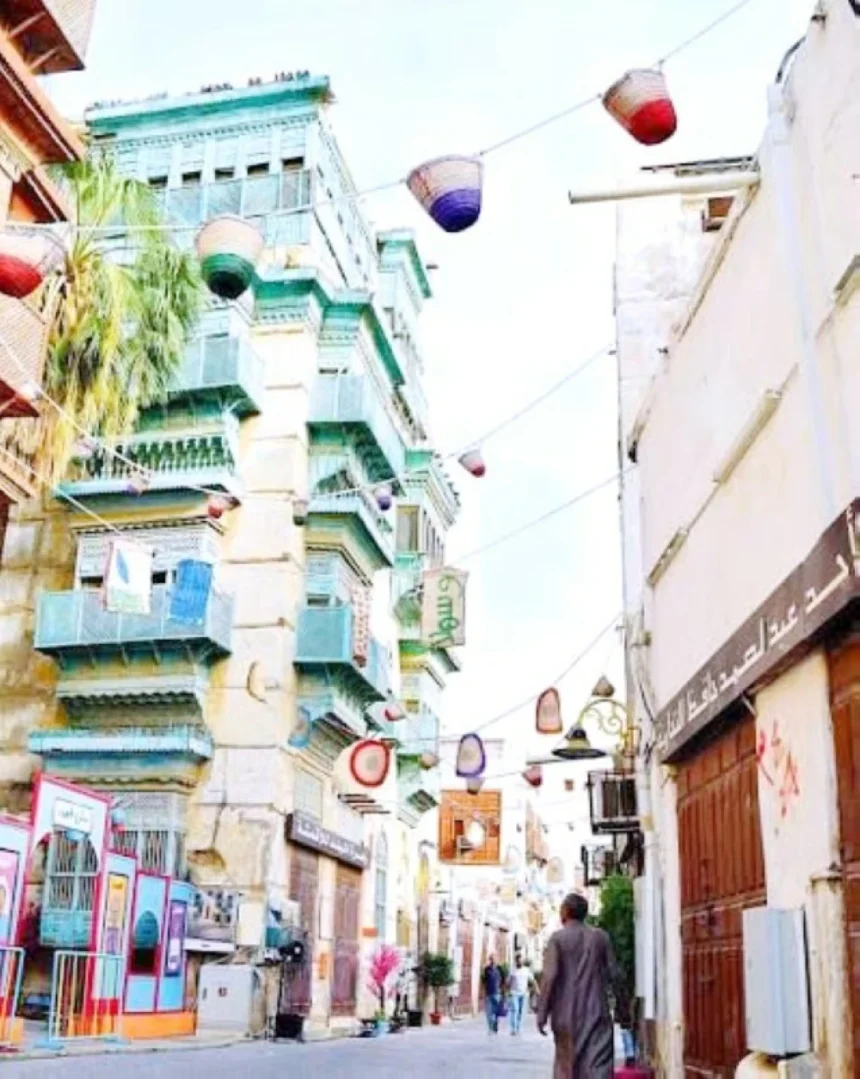
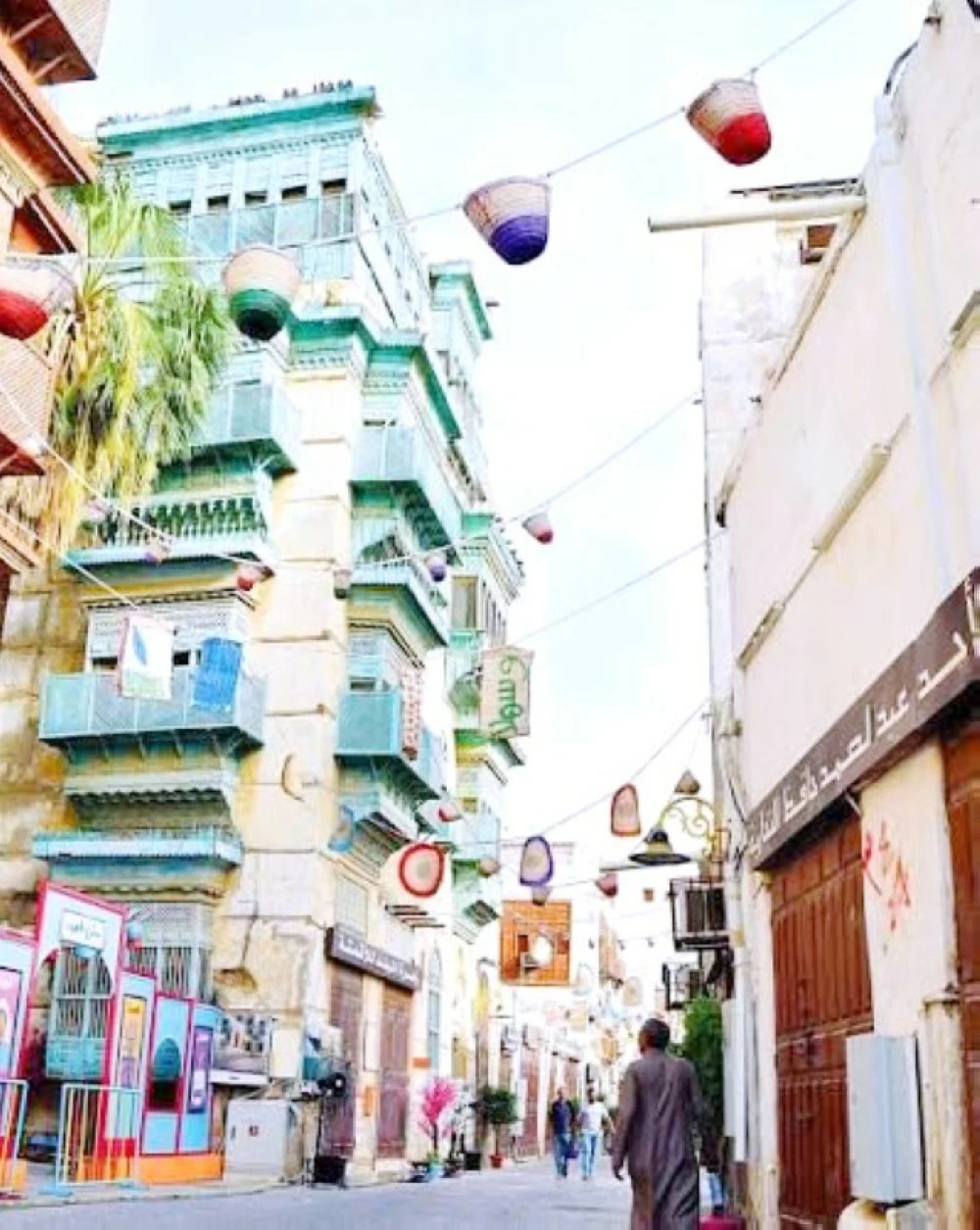
قلب نابض في الحركة التجارية بجدة التاريخية، وسوق تراثية تحمل جمال ورونق الأمكنة التراثية، تتراص على جنباتها المنازل القديمة والرواشين الخشبية، ترسم في نفوس زائريها انطباعاً مميزاً يعيد الأنفس إلى الماضي الجميل، وتحمل تاريخاً تجارياً فريداً في جدة التاريخية، تحمل اتساقاً تاريخياً وثقافياً عاشته الأجيال القديمة وتنعم به الأجيال الحديثة، إذ يحظون بالتنقل بين أركانها وممراتها، ومشاهدة زواياها واشتمام رائحة الحبوب والتوابل، وتجارة الملابس التراثية والأزياء الشعبية.
وتمثل سوق العلوي القلب النابض لمنطقة جدة التاريخية، التي اشتهرت بوجه تجاري مميز قديماً، وأثرياً حالياً، وتتجدد دائماً، وتُعد وجهة لا غنى عنها في ليالي رمضان خصوصاً، وتشهد ازدحاما كبيراً يستمر إلى ساعة السحور وسط إضاءة تزيدها متعة.
وتتميز بمبانيها القديمة، مثل بيت جوخدار، وبيت الريّس، وبيت كدوان، التي تم ترميمها وأعيد تأهيلها برؤية عصرية؛ بهدف الإسهام في الحفاظ على تراث المملكة وصونه وتأهيله وإبرازه، إذ يُلقِي كل مبنى من هذه المباني الضوء على تاريخ المنطقة.
وتتميز المباني القديمة بتصميم معماري مختلف، فبيت جوخدار يتميز برواشينه الخشبية ذات الزخارف الجميلة، التي تعد الأكبر في المنطقة، بينما يتميز بيت الريس بتصميمه الداخلي، وتطلّ جميع غرفه على فناء داخلي جميل محاط بأعمدة تعلوها أقواس حجرية، أما بيت كدوان، فيتميز بموقعه بالقرب من برحة نصيف في سوق العلوي.
كما تحتضن جنباته بيت نصيف وبيت المتبولي ويتفرع من السوق الكثير من المسالك إلى داخل الحارات ويرتاد هذه السوق قديماً سكان الناحية الشرقية من جدة لشراء حاجاتهم.
ولسوق العلوي سمات معمارية فريدة، بأعلى المعايير المتبعة عالمياً، وفق ضوابط منظمة اليونسكو، التي صنفت جدة التاريخية في العام 2014 ضمن قائمتها للتراث العالمي، جعلتها مركزاً بشرياً يضم العديد من الثقافات عبر السنين، وبوابة للحرمين الشريفين ومركزاً تجارياً يقصده الزوار من كل حدب وصوب.
تمتد سوق العلوي من شارع قابل وصولاً إلى سوق البدو، كانت بمثابة نقطة لتجمع معظم التجار، وفيها الكثير من البيوت التجارية، وكانت طريقاً يستقبل مراكب الحجاج الراسية على ميناء جدة القديم منذ مئات السنين، فتأخذهم عبر مسار الحج والأزقة الضيقة التي تطل عليها الرواشين الخشبية.
Dates, Incense, and Perfumes
The market is famous for its varieties of incense, perfumes, spices, dates, and nuts, and it includes many names of old perfumers and renowned commercial families who established the perfumery trade in the historical area. The Alawi market is known as the path walked by Caliph Uthman ibn Affan, who headed towards the sea and prayed two rak’ahs at the end of the Alawi market, declaring Jeddah as a main entry point for pilgrims 1400 years ago. It is home to the Mosque of Uthman ibn Affan, or the Ebony Mosque, which is an ancient historical mosque, as well as the Al-Shafi’i Mosque, the oldest of its mosques, which is unique in its structure and architecture, and the Pasha Mosque, and the Architect Mosque located on Alawi Street.
The Alawi market connects the port to Bab Makkah, and pilgrims would depart from the port to Bab Makkah via the Alawi market, and on their return, they would enter from Bab Makkah to the Alawi market and then to the port, at a time when camel caravans were used to transport pilgrims.
It is a vibrant heart of commercial activity in historical Jeddah, a heritage market that carries the beauty and charm of historical places, with old houses and wooden mashrabiyas lining its sides, creating a distinctive impression in the souls of its visitors that brings them back to a beautiful past. It carries a unique commercial history in historical Jeddah, reflecting a historical and cultural coherence experienced by past generations and enjoyed by modern generations, as they move between its corners and corridors, witnessing its nooks and inhaling the scent of grains and spices, and the trade of traditional clothing and folk costumes.
The Alawi market represents the vibrant heart of the historical Jeddah area, which is known for its distinctive commercial face in the past and its archaeological significance today, always renewing itself, and it is an indispensable destination, especially during Ramadan nights, witnessing significant crowds that continue until suhoor time amidst lighting that enhances the enjoyment.
It is characterized by its old buildings, such as the Bayt Jukhdar, Bayt Al-Rais, and Bayt Kdwan, which have been restored and rehabilitated with a modern vision aimed at contributing to the preservation of the Kingdom’s heritage, safeguarding it, and highlighting it, as each of these buildings sheds light on the history of the region.
The old buildings feature different architectural designs; Bayt Jukhdar is distinguished by its wooden mashrabiyas with beautiful decorations, which are the largest in the region, while Bayt Al-Rais is notable for its interior design, with all its rooms overlooking a beautiful inner courtyard surrounded by columns topped with stone arches. As for Bayt Kdwan, it is distinguished by its location near the Nasif Courtyard in the Alawi market.
Its surroundings also include Bayt Nasif and Bayt Al-Mutbuli, and many pathways branch from the market into the neighborhoods, which were frequented by the residents of the eastern side of Jeddah in the past to purchase their needs.
The Alawi market has unique architectural features, adhering to the highest internationally recognized standards, according to the regulations of UNESCO, which classified historical Jeddah in 2014 as part of its World Heritage list, making it a human center that encompasses many cultures over the years, a gateway to the Two Holy Mosques, and a commercial hub visited by tourists from all directions.
The Alawi market extends from Qabil Street to the Bedouin market, serving as a gathering point for most traders, with many commercial houses, and it was a route that welcomed the ships of pilgrims docking at the old Jeddah port for hundreds of years, taking them through the pilgrimage path and the narrow alleys lined with wooden mashrabiyas.