

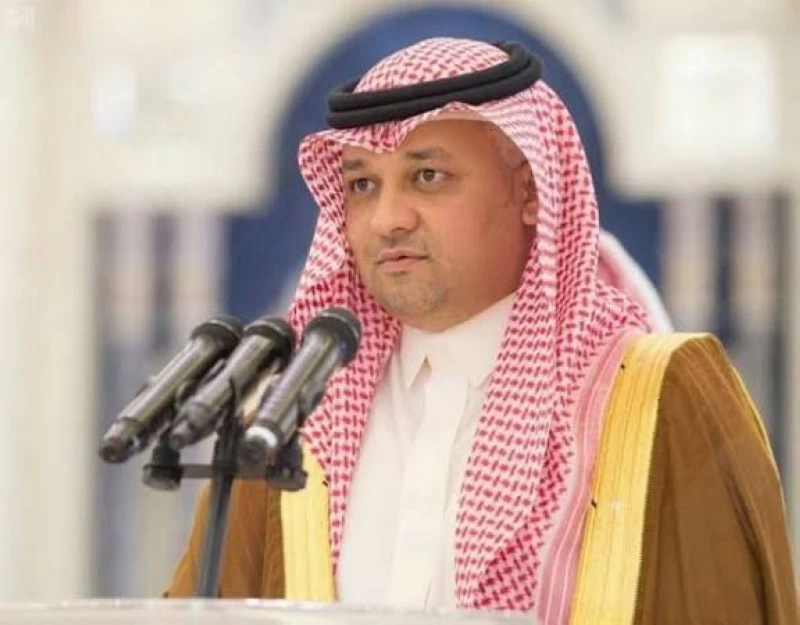
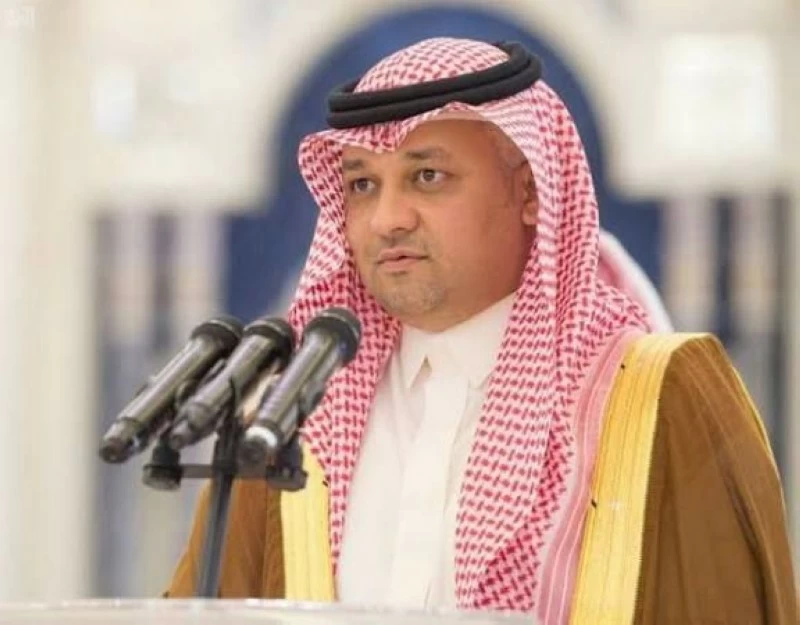
أكد رئيس الاتحاد السعودي لكرة القدم السابق عادل عزت، أن كرة القدم السعودية تمر بمرحلة تحول مفصلية تتطلب وضوح الرؤية، ووضع خطة إستراتيجية طويلة المدى تتضمن مؤشرات أداء معلنة للإعلام والجمهور، مشيراً إلى أن التأهل إلى كأس العالم لا ينبغي أن يكون الهدف النهائي، بل جزء من منظومة عمل أشمل.
وأوضح عزت خلال حديثه لبرنامج «في المرمى» أنه يدير حالياً أعماله التجارية ويمارس الرياضة بانتظام، مستعرضاً تجربته الإدارية، ومبيناً أن الاتحاد الياباني لكرة القدم عرض عليه خلال زيارة سابقة خطة إستراتيجية ممتدة من عام 2000 حتى 2050، أعدها خبراء محليون وأجانب وتُراجع كل أربعة أعوام، داعياً إلى الاستفادة من مثل هذه التجارب ووضع خطة تمتد حتى عام 2040 على الأقل.
وأشار إلى أن المرحلة الحالية ليست فشلاً أو نجاحاً باهراً، بل انتقال من مفهوم ممارسة الرياضة إلى سوق احترافي مفتوح يتطلب الحوكمة والمحاسبة والشفافية، مؤكداً أن حجم الدعم المالي الكبير يستوجب معرفة ما يُبنى مقابل ذلك، مع ضرورة إعلان مؤشرات الأداء بنهاية كل موسم ومقارنتها بأفضل الدوريات عالمياً.
وبيّن أن ميزانية الاتحاد في فترته كانت محدودة، إذ بلغ الدعم الحكومي نحو 80 مليون ريال، خُصص منها 30 مليوناً للأندية و18 مليوناً للرواتب، فيما كان الاعتماد على الرعايات لاستكمال الموارد، مشيراً إلى أن ميزانية تلك الفترة تعادل حالياً بند الرواتب فقط في الاتحاد.
وفي ملف التحكيم، أبدى عزت عدم رضاه عن مستوى التحكيم، داعياً إلى ترسيخ فلسفة «الحكم سيد الملعب»، وعدم إدارة المباريات من غرفة تقنية الفيديو، ومشيراً إلى ارتفاع تكلفة استقدام الحكام الأجانب مقارنة بفترته السابقة.
وأكد أهمية بناء هوية فنية واضحة للمنتخب السعودي، ووضع ثوابت إدارية وفنية، مع إعادة تقييم بعض المشاريع، ومنها مشروع المواليد، مشدداً على أن المملكة تزخر بالمواهب القادرة على تمثيل المنتخبات الوطنية دون الحاجة إلى التجنيس.
كما شدد على ضرورة العودة إلى نظام الانتخابات المفتوح في اتحاد كرة القدم بما يضمن تعدد الآراء داخل المجلس، معتبراً أن وجود آراء متباينة يعزز جودة القرار، إضافة إلى أهمية تطوير العمل القاعدي عبر المدارس وإنشاء مراكز تدريب إقليمية ومراكز نخبة متكاملة.
واختتم عزت حديثه بالتأكيد على أن المرحلة القادمة تتطلب وضوح الأهداف، وقياس النتائج، والعمل المؤسسي القائم على التخطيط بعيد المدى، بما يضمن استدامة الإنجاز وتعزيز مكانة كرة القدم السعودية على المستويين القاري والدولي.
The former president of the Saudi Football Federation, Adel Ezzat, confirmed that Saudi football is undergoing a pivotal transformation that requires a clear vision and the establishment of a long-term strategic plan that includes publicly announced performance indicators for the media and the public. He pointed out that qualifying for the World Cup should not be the ultimate goal, but rather a part of a broader operational framework.
Ezzat explained during his talk on the program “In the Goal” that he is currently managing his business affairs and exercising regularly, reviewing his administrative experience. He indicated that the Japanese Football Association had previously presented him with a strategic plan extending from 2000 to 2050, prepared by local and foreign experts and reviewed every four years. He called for benefiting from such experiences and developing a plan that extends at least until 2040.
He noted that the current phase is neither a failure nor a resounding success, but a transition from the concept of practicing sports to an open professional market that requires governance, accountability, and transparency. He emphasized that the significant financial support necessitates understanding what is being built in return, along with the need to announce performance indicators at the end of each season and compare them with the best leagues globally.
He explained that the federation’s budget during his tenure was limited, with government support amounting to about 80 million riyals, of which 30 million was allocated to clubs and 18 million for salaries, while reliance on sponsorships was necessary to complete the resources. He pointed out that the budget from that period currently equates to just the salary line item in the federation.
Regarding refereeing, Ezzat expressed his dissatisfaction with the level of officiating, calling for the establishment of the philosophy that “the referee is the master of the field,” and for not managing matches from the video technology room. He also mentioned the increased cost of bringing in foreign referees compared to his previous term.
He affirmed the importance of building a clear artistic identity for the Saudi national team and establishing administrative and technical constants, while also reevaluating some projects, including the birth project. He stressed that the Kingdom is rich in talents capable of representing national teams without the need for naturalization.
He also emphasized the necessity of returning to an open electoral system in the Football Federation to ensure a diversity of opinions within the council, considering that having differing views enhances the quality of decision-making. Additionally, he highlighted the importance of developing grassroots work through schools and establishing regional training centers and comprehensive elite centers.
Ezzat concluded his remarks by emphasizing that the upcoming phase requires clear objectives, measuring results, and institutional work based on long-term planning, ensuring the sustainability of achievements and enhancing the status of Saudi football at both the continental and international levels.