

هناك ثمة مشتركات في تاريخ الحركة المسرحية في دول الخليج العربية؛ من هذه المشتركات أن المسرح، الذي يعد (أبو الفنون) وأولها منذ زمن الإغريق والرومان، والجنس الأدبي الأحدث نسبياً مقارنة بالشعر في المجتمعات العربية، بدأ من حفلات التمثيل، التي كان يقوم بها طلبة المدارس على خشبة المسرح المدرسي أو من خلال فرق الكشافة المدرسية في رحلاتها، أو من خلال سهرات الأندية الرياضية. ومن المشتركات الأخرى أن الحركة المسرحية في الخليج نمت وثبتت أقدامها بعد ظهور محطات التلفزيون الرسمية، التي راحت تصور وتنقل المسرحيات للناس في بيوتها من جهة، وتستقطب رموز المسرح في أعمالها الدرامية من جهة أخرى فتحقق ما يشبه التوأمة بين المسرح الخليجي والدراما الخليجية.
أما المشترك الثالث فهو انتشار التعليم، وابتعاث الطلبة لإكمال دراستهم الجامعية في الدول العربية الأسبق في مجال المسرح، فعادوا عاشقين للمسرح ومشبعين بقيمها وتقاليدها، ومنهم من انخرط في كتابة النصوص المسرحية أو تخصص في التمثيل والإخراج والتصوير والديكور المسرحي.
ولئن كانت البحرين هي الأسبق تاريخياً في مجال المسرح بين دول الخليج العربية، وذلك منذ عام 1929 حينما تمّ تقديم أول مسرحية على خشبة مدرسة الهداية الخليفية بالمحرق، وكانت تاريخية فصحى بعنوان (الحاكم بأمر الله)، فإن الكويت بزت لاحقاً شقيقاتها في هذا الفن لأسباب منها: الاهتمام والإنفاق غير المحدود على الفن المسرحي من منطلق أنه خير وسيلة لرفع اسم البلاد عالياً في المحافل الفنية الخارجية، ومنها استقدام خبراء كبار في العلوم المسرحية من مصر (مثل المسرحي الكبير زكي طليمات) وتكليفهم برعاية الأنشطة المسرحية والارتقاء بها وتأسيس معهد عالٍ للعلوم المسرحية لتخريج فنانين وكوادر مسرحية على أسس علمية، ومنها أيضاً المناخ الديمقراطي في البلاد الذي سمح بظهور المسرح السياسي الساخر الذي عادة ما يسعى إلى إبراز العيوب ومكامن الضعف في المجتمع والدولة على الصعيدين الأخلاقي والسياسي؛ بغرض تعريتها وإصلاحها، من خلال التهكم بالكلمة والتلميح والحركة التعبيرية.
وإذا ما تحدثنا عن تاريخ المسرح في قطر تحديداً، نجد أن البدايات الأولى، التي كانت ارتجالية، تمثلت، كما قلنا، في المسارح المدرسية وتمثيليات الفرق الكشفية ومسارح الأندية الرياضية منذ خمسينيات القرن العشرين؛ أي قبل سنوات من تأسيس الفرق المسرحية تحت أسماء مختلفة بجهود أهلية وحكومية. وتشير الأدبيات القطرية ذات الصلة إلى أن الانطلاقة الحقيقية للحركة المسرحية في قطر كانت بعد الاستقلال في عام 1970، ففي عام 1972 تأسست أول فرقة مسرحية رسمية تحت اسم (الفرقة المسرحية القطرية)، ثم تلتها (فرقة مسرح السد) في عام 1973، ثم فرقتا (الأضواء) و(الشعبية). وفي عام 1974، تمّ تأسيس قسم المسرح بوزارة التربية والتعليم، في عهد الوزير الشيخ محمد بن حمد آل ثاني. وفي عام 1994 تمّ دمج الفرق المسرحية الأربع آنفة الذكر في فرقتين رئيسيتين هما: (الفرقة المسرحية القطرية) و(فريق الدوحة المسرحي). وشهد عام 1982 افتتاح (مسرح قطر الوطني) ليصبح أحد الصروح المسرحية المهمة في الخليج العربي، وهو ما وفر بنية تحتية متطورة للفن المسرحي في دولة قطر، بما في ذلك أنظمة إضاءة محوسبة وفرقة أوركسترا متمكنة، وهذا، بدوره، سهل عملية استضافة فرق محلية ودولية من أجل الارتقاء بذائقة الجمهور وغرس التقاليد المسرحية العريقة. ومذاك تواصلت الجهود لتأسيس نشاط مسرحي يواكب حركة المسرح العالمي.
والحقيقة أنه ما كان لكل هذا أن يحدث ويتعزز لولا جهود ثلة من الشباب القطري العاشق للفنون المسرحية والدرامية، ممن تشبع بحب التمثيل وتلقى جرعاته الأولى من خلال الوقوف على خشبة المسرح المدرسي أومن خلال التمثيل في الرحلات الكشفية والأنشطة الصيفية.
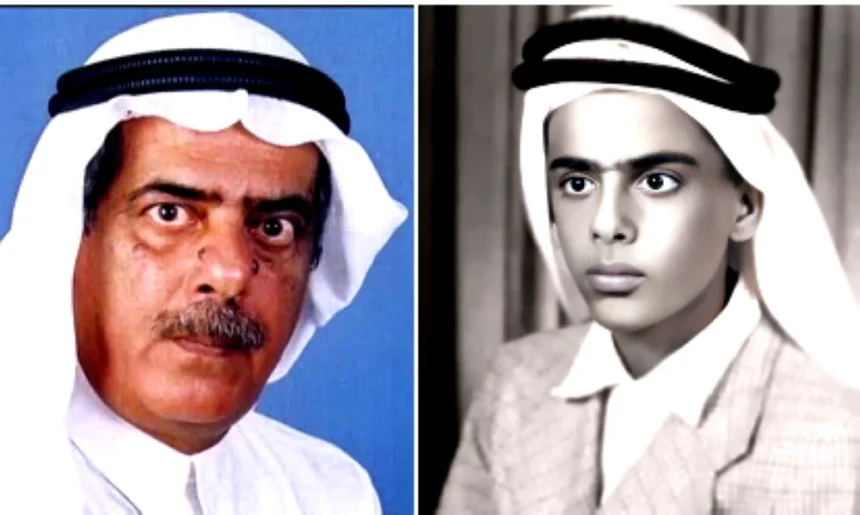
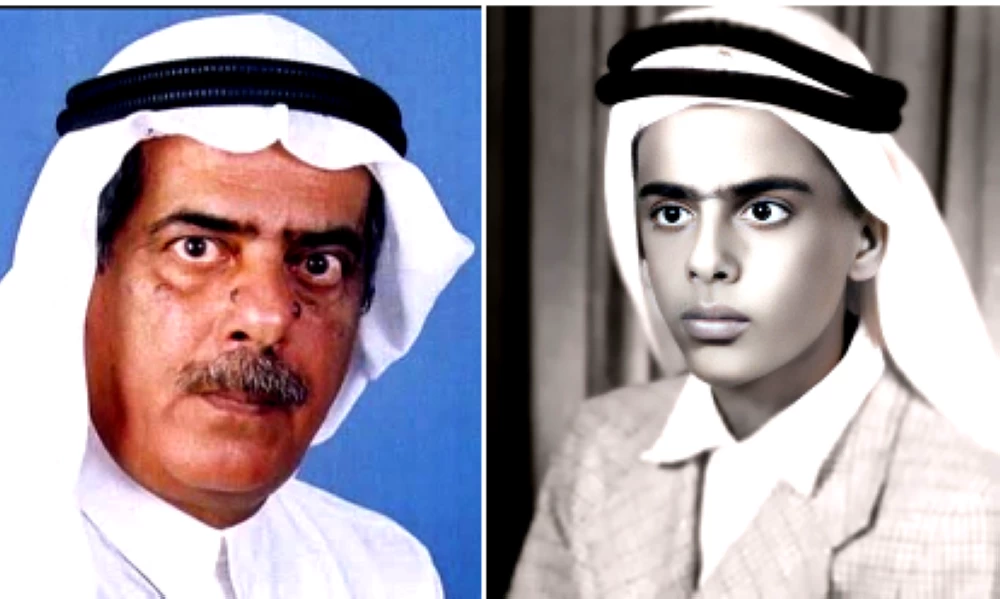
أحد هؤلاء، ممن يُنظر إليه كرائد وأب روحي للمسرح القطري، هو الأستاذ عبدالرحمن المناعي، الذي لا يمكن للمرء وهو يتحدث عن المسرح القطري أن يتجاهله أو يقلل من دوره، أو ينسى أعماله وجهوده على مدى 40 عاماً. ذلك أن المناعي لم يكن مجرد عاشق للمسرح فقط، وإنما كان أيضاً كاتباً مسرحياً مُتميزاً، ومُخرجاً مُبدعاً، وموسيقياً ماهراً، وصاحب قلم صحفي رشيق، وحارساً للتراث والفنون الشعبية القطرية.
وفي هذا السياق، دعونا نقرأ كلمة مدير مركز شؤون المسرح بوزارة الثقافة القطرية، خلال احتفال أقيم في مايو 2023 بمناسبة إطلاق كتاب عن سيرة وأعمال المناعي بعنوان (المسرح والبحر.. قراءة في أعمال عبدالرحمن المناعي) من تأليف الناقد المسرحي المصري سباعي السيد، التي جاء فيها: «لقد وعى المناعي أهمية التراث القطري وضرورة جمع عناصره وتصنيفها وتقديمها، فجعل منه مادةً للبرامج الإذاعية، وموضوعاً للمجلات المُتخصصة، ومجالاً لمراكز الأبحاث، لكن التوظيف الأهم للتراث كان في مسرحياته، فنجد مسرحه مليئاً بحكايات الصيادين القطريين وأغانيهم، وبتفاصيل رحلات صيد اللؤلؤ وما يرافقها من تحديات، ما جعل مسرحياته ترتفع أحياناً إلى مصاف التراجيديا. إن المناعي أخذ المُتفرّج في مسرحه بسفن الغوص والصيد، كما دعاه لأن يجول في القرى والمدن، ورسم بقلمه التحولات الجذرية التي طرأت على المُجتمعات الخليجية في انتقالها من الصيد إلى عصر النفط والغاز». إلى ذاك، وبحكم كونه قارئاً جيداً، تجول في الروايات المسرحية العالمية، واستلهم واقتبس منها من الأفكار ما يصلح للعروض المحلية.
ولد عبدالرحمن إبراهيم المناعي في الدوحة سنة 1948 ابناً لأسرة تنتمي إلى قبيلة المناعي أو (المنانعة)، التي تعود جذورهم إلى فخذ بني كعب، أحد فخوذ بني تميم بمنطقة الحوطة في نجد، ومن الأخيرة هاجروا وانتشروا في البحرين وقطر ودولة الإمارات ومناطق سعودية عدة، ممارسين الغوص للبحث عن اللؤلؤ وقيادة السفن وتجارة الذهب والأرزاق، حيث برز منهم الكثير من الأعلام، لا سيما في عوالم التجارة والمال وفي ميادين الشعر والأدب والفنون والصحافة والقضاء والأمور الشرعية والتدريس. وقد عرفوا منذ القدم بالوجاهة والشجاعة والعلم والكرم والولاء المطلق لأوطانهم الخليجية وولاة أمورها.
درس صاحبنا ابتداءً في الكتاتيب التقليدية، ثم انتقل إلى المدارس النظامية الحكومية بمجرد افتتاحها، فواصل دراسته حتى المرحلة الثانوية التي أمضاها في الثانوية الصناعية، وتخصص خلالها في الكهرباء، وبمجرد أن تخرج من تلك المدرسة سنة 1969 دخل سوق العمل فتنقل في وظائف مختلفة، حيث عمل في بداية مسيرته المهنية، وتحديداً في الفترة ما بين عامي 1970 و1975 كفني راديو لدى شركة «شل» النفطية، علماً أن هذه الوظيفة لم ترو العشق الذي تولد بداخله للمسرح منذ أن كان طفلاً يستمع بفضول لحكايات شعبية كانت والدته ترويها له قبل النوم. نلك الحكايات التي شجعته في فترة صباه لتقديم بعض الاسكتشات الارتجالية مع فرقة الأضواء التي بدأت نشاطها أصلاً في المجال الموسيقي قبل أن تصبح فرقة مسرحية.
وأثناء عمله في شركة شل حصل على دورات تخصصية هندسية ودورات أخرى في اللغة الإنجليزية، وواصل تثقيف نفسه من خلال القراءة والمطالعات الأدبية والنقدية، لكنه في الوقت نفسه ظل شغفه بالمسرح مقيماً ومتوطناً في حشاياه، وإيمانه بما يمثله المسرح من قيم ورسالة ودور في حياة المجتمعات راسخاً ومتجدداً، بدليل أنه قام في تلك الفترة بكتابة أول نص مسرحي له، وهو مسرحية (أم الزين) التي أخرجها المخرج الأردني الراحل وأبو المسرح الأردني هاني صنوبر (1934 ــ 2000) في عام 1975. وتعد هذه المسرحية علامة فارقة في تاريخ الحركة المسرحية والفنية في قطر، وبسببها ذاع صيت المناعي مبدعاً مسرحيّاً، ورأت الدولة أن تستقطبه ليكون كادراً وطنيّاً من كوادر أجهزتها الثقافية والإعلامية، فعينته عام 1975 في منصب مراقب للمركز الثقافي بوزارة الإعلام، الذي كان وقتها أول جهاز يعنى بالثقافة في البلاد.
ومن هذا المنصب الرسمي، توالت عليه المناصب الحكومية، فمن منصب مساعد مدير إدارة الثقافة والفنون بوزارة الإعلام في الفترة ما بين عامي 1979 و1983، إلى منصب رئيس قسم دراسات الخليج والجزيرة العربية بمجلة الدوحة في الفترة من 1983 إلى 1987، فإلى منصب مدير مركز التراث الشعبي لمجلس التعاون لدول الخليج العربية بالدوحة من عام 1987 إلى عام 2005. علاوةً على شغل منصب رئيس تحرير مجلة المأثورات الشعبية.
إبان كل هذه التنقلات الوظيفية ظل صاحبنا ينظر إلى نفسه أولاً وأخيراً فناناً مهموماً بالمسرح ودور المسرح في حياة مواطنيه، فلم تسرقه انشغالاته وأعباؤه الوظيفية من كتابة النصوص المسرحية المتتالية وإخراج بعضها وعمل الديكورات اللازمة لبعضها الآخر، ووضع الموسيقى لبعضها الثالث.
خمسون عاماً في التأليف
قد قام في الفترة من عام 1975 إلى عام 2025 بتأليف المسرحيات التالية: أم الزين، الحذاء الذهبي، صارت نشب، من يضحك أخيراً، يا ليل يا ليل، زنزانة البحر، المهرج، قرية الزهور، رسائل أبو أحمد الحويلي، غناوي الشمالي، مغرم هل الشوق، يا هل الشرق، أهل الشرق، هلوسات، شدوا الضعاين، هالشكل يا زعفران، أسفار الزباري، كرك، قطار المرح، أم السالفة، هناك، المرزام، الخيمة، انكسارات سعيد المجبر، وادي المجادير، ريحة الهيل، هوبيل بالمال، المغني والأميرة، الفيل يا ملك الزمان، حكاية حداد، أنين الصواري، الحادث والكائن، زكريا حبيبي، الخيول، خيمة العز، مي وغيلان، اللؤلؤة بين الدشة والقفال، باقي الوصية. ومن بين هذه المسرحيات أخرج 30 منها، وعمل ديكورات لمسرحتي (هالشكل يا زعفران) و(المهرج)، وصمم بنفسه ملابس مسرحية المهرج، وقام بوضع الموسيقى المصاحبة لمسرحية الحذاء الذهبي. ومن هنا قيل عنه إنه فنان شامل وصاحب رؤية فنية خاصة، وإنسان يتمتع بذائقة فنية رفيعة من حيث الألوان والأشكال.
إن المتمعن في أعمال المناعي، يكتشف أن هدف الفرجة والتسلية والنقد الاجتماعي لئن كان حاضراً في بعض مسرحياته، إلا أن الأهداف الأخرى التي سعى إليها شملت التعبير عن مشاكل المجتمع المحلي وهمومه، وتوثيق التغيرات التي طرأت على المجتمعين القطري والخليجي، وتصوير الصراع بين الأفكار التقليدية والحداثية التي اجتاحت هذه المجتمعات. ومن ناحية أخرى، يلاحظ على أعماله أنها اتسمت بنوع من المواءمة بين اللغة الفصحى واللهجة القطرية الدارجة، وتوظيف الشعر فيها، خصوصاً أنه شاعر وصاحب دواوين عدة. ومن ناحية ثالثة يلاحظ أنه كتب للكبار مسرحيات تنور أفكارهم، وكتب للصغار مسرحيات تدغدغ عواطفهم الطرية، وأنه برهن على قدرته على تقديم مسرحيات مكونة من ممثلين اثنين فقط، وتقديم أوبريتات تضم مئات الممثلين.
تكريمات وأوسمة
وشخصية كهذه بارعة في عملها، ومخلصة لفنها، وناشطة في خدمة وطنها وناسها، لم يكن بالإمكان أن تنسى لجهة التكريم والاحتفاء على المستويات المحلية والخليجية والعربية. فقد حصل على جائزة أفضل تقنية مسرحية في مهرجان قرطاج بتونس عام 1985 عن مسرحية (المتراشقون) الكوميدية الساخرة من تأليف الفنان غانم السليطي. ونال وسام مجلس التعاون في قمة مسقط سنة 1989، وتمّ تكريمه رائداً مسرحياً في مهرجان الخليج الثاني بالدوحة عام 1990، واختطف جائزة أفضل عمل مسرحي متكامل عن مسرحية (غناوي الشمالي) خلال مهرجان الخليج السادس بمسقط سنة 2000، وحصل على جائزة لجنة التحكيم التقديرية عن مسرحية (مقامات بن بحر) خلال الدورة الثالثة لمهرجان قرطاج في عام 1978. وفي عام 2002 مُنح جائزة أفضل إخراج عن مسرحية (مغرم هل الشوق) في مهرجان الخليج السابع بالدوحة، وفي عام 2006 كرمته بلاده بمنحه جائزة الدولة التقديرية في مجال الفنون المسرحية. أما في عام 2020 فقد كان على موعد مع تكريمه من قبل وزارة الثقافة والرياضة في احتفالية اعلان الفائزين بجائزة الدوحة للكتابة الدرامية في نسختها الأولى.
ونختتم بالإشارة إلى أن المناعي أعلن في أكتوبر 2018 قراراً، تراجع عنه لاحقاً تحت ضغط جمهوره وعشاق فنه وكبار المسؤولين، فقد كتب آنذاك تغريدة صادمة قال فيها: «عندما يصبح طريقك مليئاً بالحفر والمطبات، تحكمه إشارات غريبة الألوان، تسيّره قوانين ملتبسة وأحكام بائسة، ويكتنفه ضباب كثيف لا ينجلي، فما عليك إلا التوقّف لسلامتك وسلامة الآخرين، وأنا قررت التوقف». ولما سُئل عن خلفيات قراره اتضح أنه مستاء من حالة التردي التي آلت إليها الحركة المسرحية القطرية، والتي شبهها بالسيرك، كنتيجة لاقتحامها من قبل أشخاص لا شأن لهم بالمسرح ولم يمارسوا قط الفن المسرحي أو يدرسوه، وقيام هؤلاء بفرض معايير معينة ومحددة للعمل، وكل من لم يستجب لها تُرفض أعماله. ولكل هذه الأسباب قال: «في خضم هذا الجنون صار الجلوس في البيت أفضل حتى لا ننصاع لما حدث».
There are commonalities in the history of theatrical movement in the Gulf Arab states; one of these commonalities is that theater, which is considered the “father of the arts” and the first of them since the time of the Greeks and Romans, and the relatively newer literary genre compared to poetry in Arab societies, began with performances held by school students on the school stage or through school scouting teams during their trips, or through the evenings of sports clubs. Another commonality is that the theatrical movement in the Gulf grew and established itself after the emergence of official television stations, which began to film and broadcast plays to people in their homes on one hand, and attract theater icons in their dramatic works on the other hand, achieving a kind of twinship between Gulf theater and Gulf drama.
The third commonality is the spread of education and sending students abroad to complete their university studies in countries that were ahead in the field of theater, returning as lovers of theater and imbued with its values and traditions, some of whom engaged in writing theatrical texts or specialized in acting, directing, cinematography, and stage decoration.
While Bahrain is historically the first in the field of theater among the Gulf Arab states, since 1929 when the first play was presented on the stage of Al-Hidaya Al-Khalifiya School in Muharraq, which was a historical classical play titled “The Ruler by God’s Command,” Kuwait later outshone its sisters in this art for several reasons: the interest and unlimited spending on theatrical art from the standpoint that it is the best means to raise the country’s name high in external artistic forums, including bringing in prominent experts in theatrical sciences from Egypt (such as the great theater figure Zaki Talimat) and assigning them to oversee theatrical activities and elevate them, as well as establishing a higher institute for theatrical sciences to graduate artists and theatrical cadres on scientific foundations. Additionally, the democratic climate in the country allowed for the emergence of satirical political theater that often seeks to highlight the flaws and weaknesses in society and the state on moral and political levels; with the aim of exposing and reforming them through sarcasm, words, hints, and expressive movement.
When we talk about the history of theater in Qatar specifically, we find that the early beginnings, which were improvisational, were represented, as we said, in school theaters, scouting team performances, and sports club theaters since the 1950s; that is, years before the establishment of theatrical troupes under different names through community and government efforts. Qatari literature related to this indicates that the real launch of the theatrical movement in Qatar was after independence in 1970. In 1972, the first official theatrical troupe was established under the name “Qatari Theater Troupe,” followed by “Al-Sadd Theater” in 1973, and then the “Al-Adwaa” and “Al-Shaabiya” troupes. In 1974, the Theater Department was established at the Ministry of Education, during the tenure of Minister Sheikh Mohammed bin Hamad Al Thani. In 1994, the four aforementioned theatrical troupes were merged into two main troupes: “Qatari Theater Troupe” and “Doha Theater Team.” The year 1982 witnessed the opening of “Qatar National Theater,” becoming one of the important theatrical landmarks in the Arab Gulf, which provided an advanced infrastructure for theatrical art in the State of Qatar, including computerized lighting systems and a capable orchestra, which in turn facilitated the hosting of local and international troupes to elevate the audience’s taste and instill the rich theatrical traditions. Since then, efforts have continued to establish theatrical activity that keeps pace with the global theatrical movement.
In fact, none of this would have happened and been reinforced without the efforts of a group of Qatari youth who are passionate about theatrical and dramatic arts, who were imbued with a love for acting and received their first doses through standing on the school theater stage or through acting in scouting trips and summer activities.
One of these individuals, who is viewed as a pioneer and spiritual father of Qatari theater, is Professor Abdulrahman Al-Manaei, who cannot be overlooked or have his role diminished when discussing Qatari theater, nor can one forget his works and efforts over 40 years. Al-Manaei was not just a lover of theater; he was also a distinguished playwright, a creative director, a skilled musician, a graceful journalist, and a guardian of Qatari heritage and folk arts.
In this context, let us read the words of the Director of the Theater Affairs Center at the Qatari Ministry of Culture during a celebration held in May 2023 on the occasion of the launch of a book about Al-Manaei’s biography and works titled “Theater and the Sea: A Reading of Abdulrahman Al-Manaei’s Works,” authored by the Egyptian theater critic Sabaa Al-Sayed, which stated: “Al-Manaei recognized the importance of Qatari heritage and the necessity of collecting its elements, classifying them, and presenting them, making it material for radio programs, a subject for specialized magazines, and a field for research centers. However, the most important use of heritage was in his plays, where we find his theater filled with stories of Qatari fishermen and their songs, and with details of pearl diving trips and the challenges that accompany them, which sometimes elevated his plays to the level of tragedy. Al-Manaei took the audience in his theater on ships of diving and fishing, inviting them to roam through villages and cities, and with his pen, he depicted the radical transformations that occurred in Gulf societies as they transitioned from fishing to the oil and gas era.” Additionally, as a good reader, he explored global theatrical narratives, drawing inspiration and ideas from them suitable for local performances.
Abdulrahman Ibrahim Al-Manaei was born in Doha in 1948 to a family belonging to the Al-Manaei tribe, which traces its roots to the Bani Ka’ab branch, one of the branches of Bani Tamim in the Al-Hawta area of Najd. From there, they migrated and spread to Bahrain, Qatar, the United Arab Emirates, and several regions in Saudi Arabia, engaging in pearl diving, sailing, and trading in gold and provisions, where many prominent figures emerged from them, especially in the fields of trade, finance, poetry, literature, arts, journalism, judiciary, religious matters, and teaching. They have been known since ancient times for their prestige, courage, knowledge, generosity, and absolute loyalty to their Gulf homelands and their rulers.
Our subject began his education in traditional kuttabs, then moved to government formal schools as soon as they opened, continuing his studies until high school, which he spent in the industrial secondary school, specializing in electricity. Upon graduating from that school in 1969, he entered the job market, moving through various jobs. At the beginning of his professional career, specifically between 1970 and 1975, he worked as a radio technician at the “Shell” oil company, knowing that this job did not quench the passion that had developed within him for theater since he was a child listening curiously to folk tales that his mother told him before bed. Those tales encouraged him in his youth to present some improvised sketches with the Al-Adwaa troupe, which originally began its activity in the musical field before becoming a theatrical troupe.
While working at Shell, he took specialized engineering courses and other courses in English, and continued to educate himself through reading and literary and critical studies. However, at the same time, his passion for theater remained firmly established within him, and his belief in what theater represents in terms of values, messages, and roles in the lives of communities remained steadfast and renewed, as evidenced by the fact that during that period he wrote his first theatrical text, which was the play “Umm Al-Zain,” directed by the late Jordanian director and father of Jordanian theater Hani Sanour (1934-2000) in 1975. This play is considered a landmark in the history of theatrical and artistic movement in Qatar, and because of it, Al-Manaei’s reputation as a theatrical creator spread, prompting the state to attract him to be a national cadre in its cultural and media institutions, appointing him in 1975 as a supervisor of the cultural center at the Ministry of Information, which was then the first body concerned with culture in the country.
From this official position, he continued to hold governmental positions, from the position of Assistant Director of the Culture and Arts Department at the Ministry of Information between 1979 and 1983, to the position of Head of the Gulf and Arabian Peninsula Studies Department at Al-Doha Magazine from 1983 to 1987, then to the position of Director of the Center for Folk Heritage for the Gulf Cooperation Council in Doha from 1987 to 2005. In addition, he held the position of Editor-in-Chief of the magazine “Al-Ma’thoorat Al-Sha’biyya.”
Throughout all these job transitions, our subject always viewed himself first and foremost as an artist concerned with theater and the role of theater in the lives of his fellow citizens, as his job responsibilities did not distract him from writing successive theatrical texts, directing some of them, working on the necessary decorations for others, and composing music for some third ones.
Fifty Years in Writing
From 1975 to 2025, he authored the following plays: Umm Al-Zain, The Golden Shoe, It Happened, Who Laughs Last, Oh Night Oh Night, The Sea Cell, The Clown, The Village of Flowers, Letters of Abu Ahmed Al-Huwaili, Ghannawi Al-Shamali, In Love with Longing, Oh People of the East, People of the East, Hallucinations, Pull the Weak, This Way Oh Saffron, Travels of Al-Zubari, Kark, The Train of Joy, Umm Al-Salfa, There, The Marzam, The Tent, The Breakdowns of Saeed Al-Mujbir, Wadi Al-Majadeer, The Scent of Cardamom, Hoping for Wealth, The Singer and the Princess, The Elephant Oh King of Time, A Tale of a Blacksmith, The Moan of the Masts, The Incident and the Being, Zakaria My Beloved, The Horses, The Tent of Honor, Mai and Ghilan, The Pearl Between the Dasha and the Qafal, The Remaining Will. Among these plays, he directed 30 of them, worked on the decorations for the plays “This Way Oh Saffron” and “The Clown,” designed the costumes for the play “The Clown,” and composed the accompanying music for the play “The Golden Shoe.” Hence, it was said about him that he is a comprehensive artist with a unique artistic vision, and a person who enjoys a refined artistic taste in terms of colors and shapes.
Those who delve into Al-Manaei’s works discover that while the goal of entertainment, amusement, and social critique is present in some of his plays, the other goals he sought included expressing the problems and concerns of the local community, documenting the changes that occurred in Qatari and Gulf societies, and portraying the conflict between traditional and modern ideas that swept through these societies. On another note, it is observed that his works are characterized by a kind of harmony between classical Arabic and the colloquial Qatari dialect, and the use of poetry within them, especially since he is a poet and author of several diwan. On a third note, it is noted that he wrote plays for adults that enlighten their ideas, and wrote plays for children that tickle their tender emotions, and that he proved his ability to present plays consisting of only two actors, as well as to present operettas that include hundreds of actors.
Awards and Honors
A personality like this, skilled in their work, dedicated to their art, and active in serving their country and its people, could not be overlooked in terms of recognition and celebration at local, Gulf, and Arab levels. He won the award for Best Theatrical Technique at the Carthage Festival in Tunisia in 1985 for the comedy play “Al-Mutarashiqoon” written by artist Ghanem Al-Sulaiti. He received the Cooperation Council Medal at the Muscat Summit in 1989, was honored as a theatrical pioneer at the Second Gulf Festival in Doha in 1990, and won the award for Best Complete Theatrical Work for the play “Ghannawi Al-Shamali” during the Sixth Gulf Festival in Muscat in 2000, and received the Jury’s Special Award for the play “Maqamat Ibn Bahr” during the third session of the Carthage Festival in 1978. In 2002, he was awarded Best Direction for the play “In Love with Longing” at the Seventh Gulf Festival in Doha, and in 2006, his country honored him by granting him the State Appreciation Award in the field of theatrical arts. In 2020, he was scheduled to be honored by the Ministry of Culture and Sports during the celebration announcing the winners of the Doha Prize for Dramatic Writing in its first edition.
We conclude by noting that Al-Manaei announced in October 2018 a decision, which he later retracted under pressure from his audience, fans of his art, and senior officials. He wrote at that time a shocking tweet saying: “When your path becomes filled with potholes and bumps, governed by strange colored signals, driven by ambiguous laws and miserable judgments, and shrouded in thick fog that does not clear, you have no choice but to stop for your safety and the safety of others, and I have decided to stop.” When asked about the background of his decision, it became clear that he was upset about the deteriorating state of the Qatari theatrical movement, which he likened to a circus, as a result of being invaded by people who have nothing to do with theater and have never practiced or studied theatrical art, and these people imposing certain and specific standards for work, and any work that does not respond to them is rejected. For all these reasons, he said: “In the midst of this madness, staying at home has become better so that we do not succumb to what has happened.”