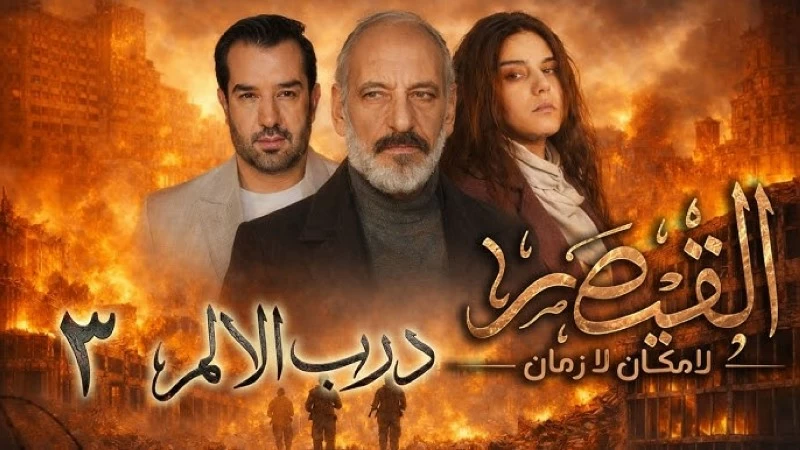
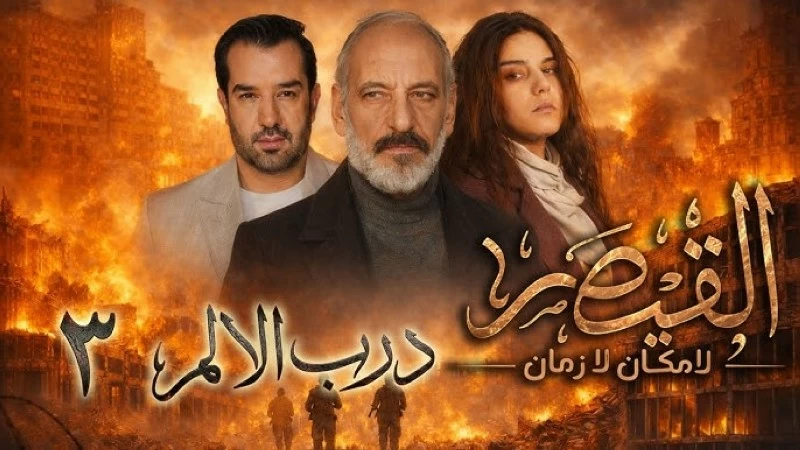
أعاد مسلسل «القيصر.. لا مكان لا زمان» فتح واحد من أكثر الملفات حساسية في الذاكرة السورية، فاشتعل الجدل بين من رأى فيه توثيقاً لمرحلة دامية، ومن اعتبره نبشاً لجراح لم تندمل بعد.
وبين هذين الموقفين، برز اسم «قيصر» مجدداً إلى الواجهة؛ ليس بوصفه شخصية درامية فحسب، بل شاهداً حقيقياً سبق أن انفردت «عكاظ» بالكشف عن هويته، وأجرت أول حوار إعلامي معه، في خطوة وثّقت للرأي العام فصلاً مفصلياً من القصة قبل أن تتحول إلى عمل فني يثير الأسئلة والاعتراضات.
المخرج يرد: ما عُرض لا يتجاوز 1% من الحقيقة
ردّ المخرج السوري صفوان نعمو على الانتقادات الواسعة التي طالت العمل، مؤكداً أن ما ظهر على الشاشة «لا يمثل سوى 1% من القصة الحقيقية». وأوضح أن فريق المسلسل التقى عدداً كبيراً من عائلات معتقلين سابقين وشهود عيان، وأن القصص التي استمعوا إليها كانت «قاسية إلى حد يفوق الاحتمال»، غير أنها خضعت لمعالجة درامية توازن بين الحقيقة ومتطلبات البناء الفني.
وأشار إلى أنه تعرّض لتهديدات متكررة عبر الهاتف ورسائل واتصالات خارجية، واصفاً إياها بأنها «رسائل إجرامية» تجاوزت حدود النقد الفني، في إشارة إلى حجم الحساسية التي يثيرها العمل.
بين الاتهام بالتسويق وتصوير مسرح الجريمة
من بين أبرز الانتقادات التي وُجّهت للمسلسل، اتهامه باستثمار المأساة لجذب المشاهدات، وفتح جروح عائلات الضحايا من جديد؛ غير أن نعمو شدد على أن التصوير لم يتم في أي موقع حقيقي أو سجن أو فرع أمني، بل جرى بالكامل داخل استديوهات وديكورات صُممت خصيصاً لمحاكاة الأجواء، مؤكداً أن تلك المواقع الحقيقية «مسرح جريمة» لا يمكن التصوير فيه الآن أو مستقبلاً.
جدل الأسماء.. واختيارات الممثلين
وامتد الجدل إلى قائمة الممثلين المشاركين، إذ اعتبر بعض المتابعين أن عدداً منهم عُرفوا بمواقف موالية للنظام السابق. وأوضح نعمو أنه تواصل منذ البداية مع فنانين سوريين بارزين عُرفوا بمواقف معارضة، من بينهم فارس الحلو وسامر المصري ومكسيم خليل ومازن الناطور، إلا أن ارتباطاتهم الفنية حالت دون مشاركتهم.
في المقابل، شارك في العمل عدد من الفنانين، بينهم عبدالحكيم قطيفان ونوار بلبل وماهر مزوق وسامر كحلاوي، إضافة إلى أسماء أخرى.
«عكاظ» وسبق الكشف عن «قيصر»
وسط هذا السجال، يعود اسم «قيصر» إلى الواجهة بوصفه الشاهد الأبرز على ما جرى داخل المعتقلات. وكانت «عكاظ» أول وسيلة إعلامية تجري حواراً معه ومع شريكه «سامي»، في حوار كشف تفاصيل ما وُصف آنذاك بملف التعذيب والقتل داخل سجون النظام السوري.
كما انفردت «عكاظ» بالكشف عن هوية «قيصر» الحقيقية، وهو المساعد أول فريد ندى المذهان، المنحدر من مدينة الشيخ مسكين في ريف درعا، بعد أن أبقت اسمه الحقيقي طي الكتمان بطلب منه لمدة أربع سنوات، ليتم الكشف عنه لاحقاً؛بعد سقوط نظام الأسد.
ويحمل لقب «قيصر» بعداً سياسياً أيضاً، إذ ارتبط بـقانون قيصر الذي أقره الكونغرس الأمريكي ودخل حيّز التنفيذ في 17 يونيو 2020، فارضاً عقوبات على النظام السوري.
بين الدراما والذاكرة
اليوم، وبينما يتجدد الجدل حول العمل الفني، يبقى السؤال الأعمق: هل تستطيع الدراما أن تروي ما عجزت عنه الوثائق؟ أم أن الذاكرة المثقلة بالألم تظل أكبر من أي معالجة فنية؟
The series “Al-Qaisar… No Place No Time” reopened one of the most sensitive files in Syrian memory, igniting a debate between those who see it as a documentation of a bloody phase and those who consider it a digging up of wounds that have not yet healed.
Between these two positions, the name “Qaisar” emerged once again; not merely as a dramatic character, but as a real witness whose identity was exclusively revealed by “Okaz,” which conducted the first media interview with him, documenting a pivotal chapter of the story before it transformed into an artistic work that raises questions and objections.
The Director Responds: What Was Shown Is Only 1% of the Truth
The Syrian director Safwan Naimo responded to the widespread criticisms directed at the work, affirming that what appeared on screen “represents only 1% of the true story.” He explained that the series team met with a large number of families of former detainees and eyewitnesses, and that the stories they heard were “harsh beyond imagination,” but they underwent a dramatic treatment that balances between truth and the requirements of artistic construction.
He noted that he had received repeated threats via phone calls and external messages, describing them as “criminal messages” that exceeded the limits of artistic criticism, indicating the level of sensitivity the work provokes.
Between Accusations of Exploitation and Depicting the Crime Scene
Among the most prominent criticisms directed at the series was the accusation of exploiting the tragedy to attract viewers and reopening the wounds of the victims’ families; however, Naimo emphasized that the filming did not take place in any real location, prison, or security branch, but was entirely conducted within studios and sets designed specifically to simulate the atmosphere, asserting that those real locations are “crime scenes” where filming cannot occur now or in the future.
The Controversy of Names… and Actor Selections
The debate extended to the list of participating actors, as some observers considered that several of them were known for their pro-regime stances. Naimo clarified that he initially reached out to prominent Syrian artists known for their opposing views, including Fares Helou, Samer Ismail, Maxim Khalil, and Mazen Nattour, but their artistic commitments prevented their participation.
In contrast, several artists participated in the work, including Abdulhakim Qatifan, Nawar Bulbul, Maher Mazouk, and Samer Kahlawi, in addition to other names.
“Okaz” and the Previous Revelation of “Qaisar”
Amid this debate, the name “Qaisar” returns to the forefront as the most prominent witness to what happened inside the detention centers. “Okaz” was the first media outlet to conduct an interview with him and his partner “Sami,” revealing details of what was then described as the file of torture and killing inside the Syrian regime’s prisons.
Moreover, “Okaz” exclusively revealed the true identity of “Qaisar,” who is the first lieutenant Farid Nida Al-Madhhan, originally from the town of Sheikh Maskin in the Daraa countryside, after keeping his real name confidential at his request for four years, to be revealed later after the fall of the Assad regime.
The title “Qaisar” also carries a political dimension, as it is linked to the Caesar Act, which was approved by the U.S. Congress and came into effect on June 17, 2020, imposing sanctions on the Syrian regime.
Between Drama and Memory
Today, as the debate around the artistic work renews, the deeper question remains: Can drama narrate what documents have failed to convey? Or does the memory burdened with pain remain greater than any artistic treatment?