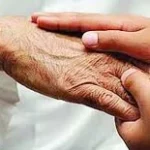


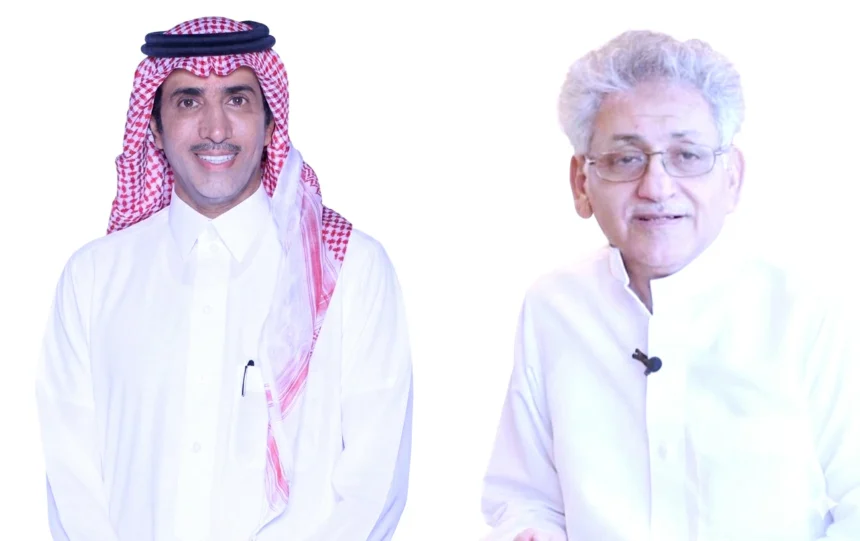
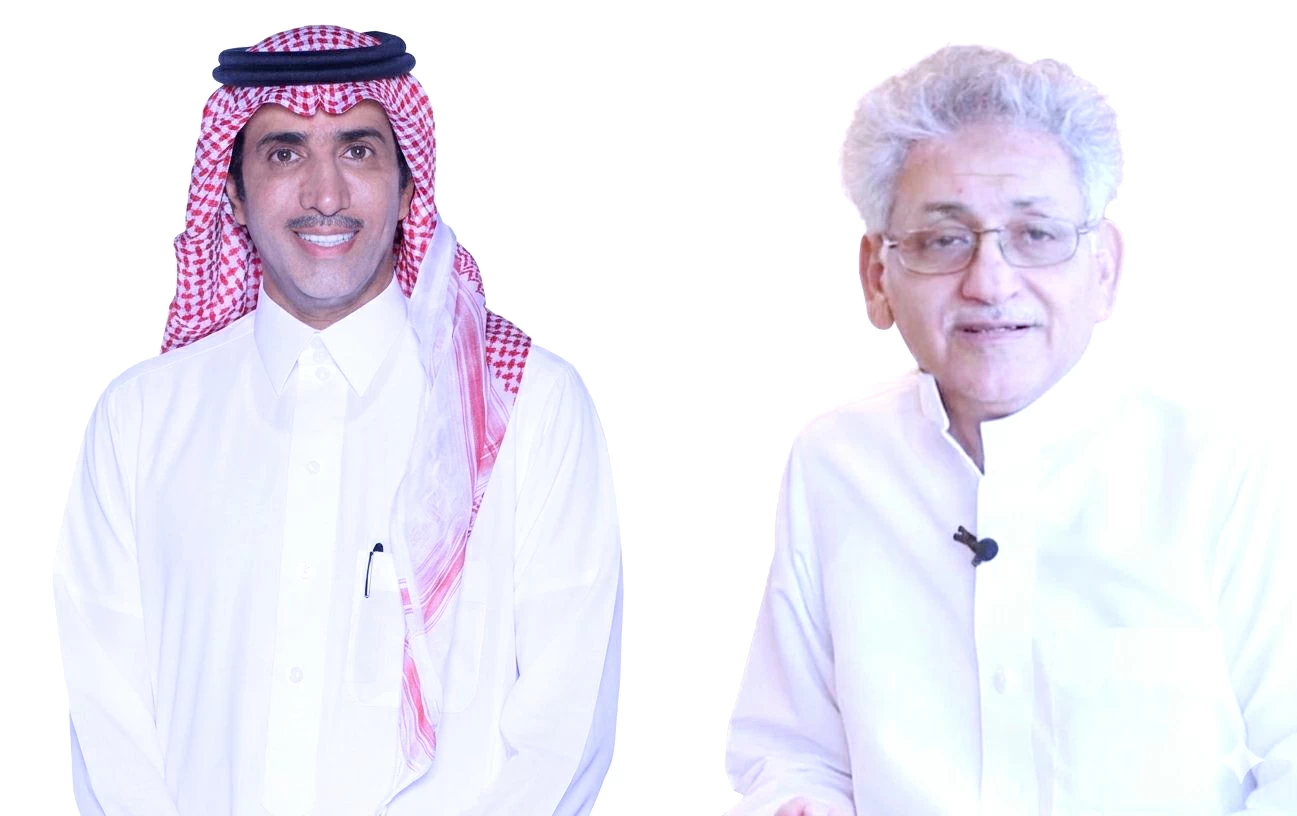
لا تبدو زيارة فايز المالكي لعلي فقندش حدثًا اجتماعيًا يمكن المرور عليه سريعًا، لأن قيمتها لا تكمن في الزيارة نفسها، بل في ما كشفته من معنى أعمق داخل الوسط الفني. اللقاء أعاد التذكير بأن الشهرة لا تتكوّن فقط فوق المسرح أو أمام الكاميرا، بل تُصاغ أيضًا في المساحات الأقل ظهورًا: في الصحافة، وفي التقديم، وفي القراءة المبكرة للموهبة، وفي منح الفنان فرصة أن يُرى ويُفهم ويُقدَّم للناس بالصورة التي يستحقها.
علي فقندش لا يُقرأ هنا كشخصية إعلامية رافقت الفنانين فحسب، بل كجزء من البنية التي صنعت المشهد الفني نفسه. في زمن كانت فيه الصحافة الفنية إحدى أهم بوابات العبور إلى الجمهور، لم يكن الإعلام تابعًا للنجومية، بل كان شريكًا في إنتاجها. لذلك فإن اللقاء مع فقندش يستدعي معنى يتجاوز الاطمئنان على صحته؛ إذ يلامس الاعتراف بدور الإعلامي الذي ظل طويلًا يعمل في الخلفية، بينما تتصدّر الوجوه الفنية المشهد وحدها.
أما فايز المالكي، فإن حضوره في هذا السياق لا يُختزل في لفتة إنسانية، بل يكتسب دلالة مهنية وأخلاقية معًا. فهو يعزّز قيمة الوفاء ويعيد ترتيب العلاقة بين الطرفين: النجم ليس مكتفيًا بذاته، والإعلامي ليس مجرد ناقل أخبار، بل كلاهما يشارك في صناعة الأثر.
من هنا جاءت أهمية هذا اللقاء؛ لأنه كشف خللًا قديمًا في الوسط الفني، يتمثل في الجحود بمن أسهموا في صناعة الصورة العامة للنجوم. وحين يزور نجمٌ إعلاميًا مريضًا، فإن المشهد لا يقول فقط إن الوفاء ممكن، بل يقول أيضًا إن الذاكرة المهنية لا تنسى قيمة الصحفي المهني وتخلّده في ذاكرة النجوم الأوفياء.
Fayez Al-Maliki’s visit to Ali Faqandesh does not seem like a social event that can be quickly overlooked, because its value lies not in the visit itself, but in what it revealed about a deeper meaning within the artistic community. The meeting served as a reminder that fame is not only formed on stage or in front of the camera, but is also shaped in the less visible spaces: in journalism, in presentation, in the early reading of talent, and in giving the artist a chance to be seen, understood, and presented to the public in the way they deserve.
Ali Faqandesh is not read here merely as a media figure accompanying artists, but as part of the structure that created the artistic scene itself. At a time when arts journalism was one of the most important gateways to the audience, the media was not subordinate to stardom; rather, it was a partner in its production. Therefore, the meeting with Faqandesh evokes a meaning that goes beyond merely checking on his health; it touches upon the acknowledgment of the role of the journalist who has long worked in the background while the artistic faces alone dominated the scene.
As for Fayez Al-Maliki, his presence in this context is not reduced to a humanitarian gesture, but gains both professional and ethical significance. He reinforces the value of loyalty and rearranges the relationship between the two parties: the star is not self-sufficient, and the journalist is not just a news transmitter; rather, both share in creating an impact.
Hence, the importance of this meeting arose; it revealed an old flaw in the artistic community, which consists of the ingratitude towards those who contributed to shaping the public image of the stars. When a star visits a sick journalist, the scene does not only convey that loyalty is possible, but also asserts that professional memory does not forget the value of the professional journalist and immortalizes it in the memories of loyal stars.