

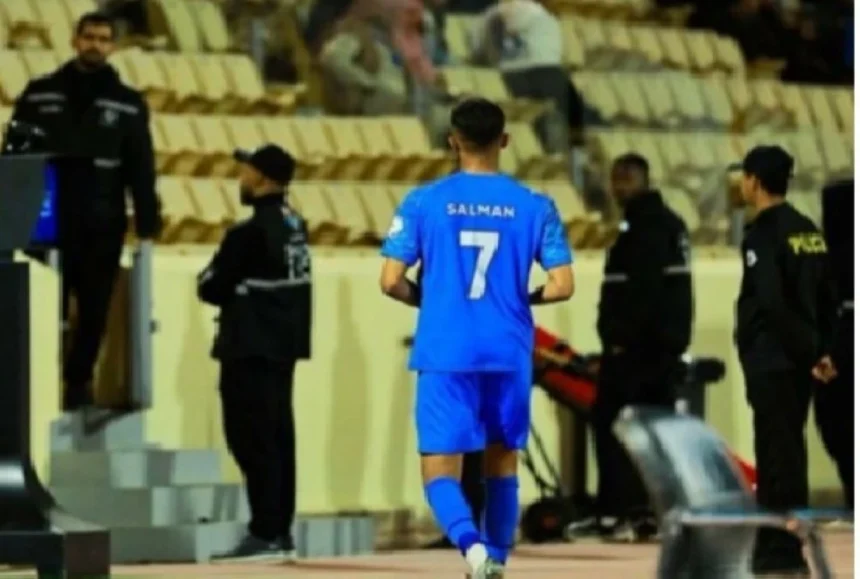
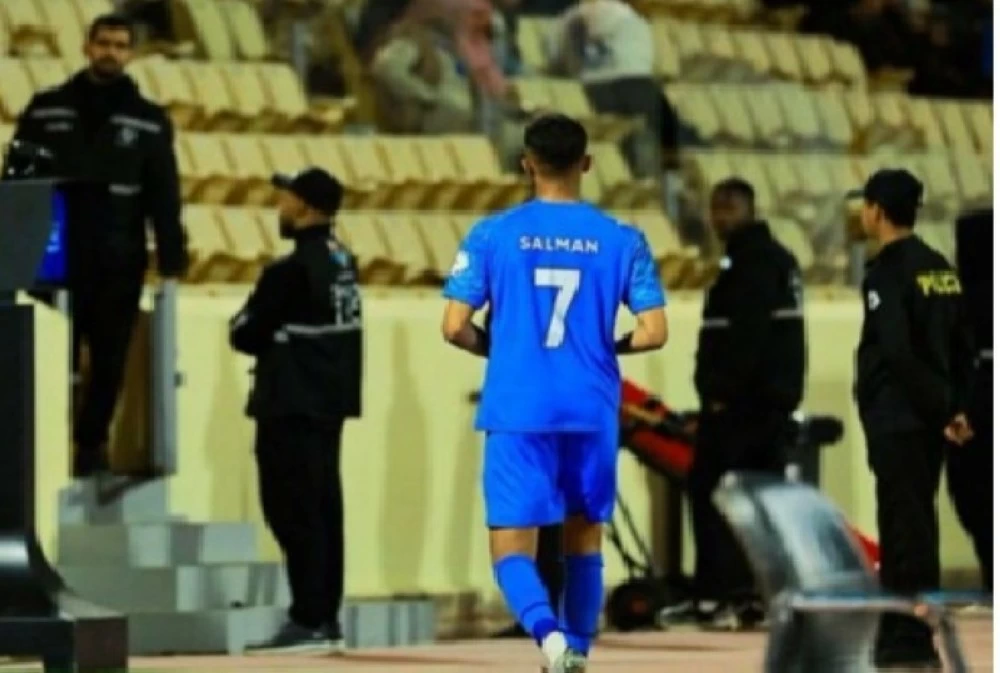
تحوّل فوز فريق نيوم الصعب على الرياض في الجولة الـ21 من دوري روشن السعودي من 3 نقاط ثمينة إلى قضية انضباطية ساخنة، بطلها قائد الفريق سلمان الفرج، في واقعة خطفت الأضواء وأثارت تساؤلات واسعة حول مستقبل اللاعب داخل الفريق. ورغم أن نيوم خرج منتصراً بهدف وحيد وقّعه الفرنسي ألكسندر لاكازيت، فإن ما حدث بعد الدقيقة 74 من عمر اللقاء كان كافياً ليضع الفوز في الظل، ويشعل جدلاً امتد من المدرجات إلى المؤتمرات الصحفية.
انطلقت الشرارة الأولى للأزمة عندما قرر المدرب الفرنسي كريستوف غالتييه إجراء تبديل فني، قضى بخروج سلمان الفرج والدفع بلاعب أكثر حيوية في وسط الملعب، في محاولة لتعزيز السيطرة بعد تسجيل الهدف.
وبحسب رؤية المدرب، فإن أداء الفرج في وسط الميدان لم يشكل الإضافة المنتظرة، وهو ما أشار إليه صراحة بين شوطي المباراة، معتبراً أن التبديل كان خياراً فنياً بحتاً لا يحمل أي أبعاد شخصية.
غير أن ردّة فعل قائد نيوم جاءت صادمة داخل أروقة النادي؛ إذ لم يكتفِ اللاعب بإظهار غضبه على دكة البدلاء، بل غادر الملعب قبل صافرة النهاية مستخدماً سيارته الخاصة، في تصرّف وصفته مصادر داخل النادي بأنه خرق واضح للأنظمة الداخلية.
وأثار هذا المشهد استياء الجهازين الفني والإداري، خصوصاً أن مغادرة المنشأة قبل نهاية المباراة تُعد مخالفة انضباطية لا يمكن تجاهلها، بغض النظر عن اسم اللاعب أو تاريخه.
بدورها، تحرّكت إدارة نيوم سريعاً، وفرضت غرامة مالية بلغت 60 ألف ريال على سلمان الفرج، مع فتح باب دراسة عقوبات إضافية، في رسالة واضحة مفادها أن الانضباط خط أحمر، حتى على القائد الأول للفريق.
وتأتي هذه الأزمة في توقيت حساس للاعب، إذ شارك سلمان الفرج في 10 مباريات فقط هذا الموسم بعد عودته من إصابة طويلة، دون أن يسجل أو يصنع أي هدف، ما زاد من حدة الانتقادات الموجهة لأدائه، ووضع علامات استفهام حول دوره الحالي داخل مشروع نيوم.
وبين تاريخ طويل من القيادة والبطولات، وواقع فني وانضباطي معقّد، يجد سلمان الفرج نفسه اليوم أمام اختبار صعب: فإما استعادة صورة القائد الهادئ داخل الملعب وخارجه، أو الدخول في مسار تصادمي قد يغيّر معالم تجربته مع نيوم بالكامل. ويبقى السؤال المطروح في الشارع الرياضي: هل كانت لحظة غضب عابرة؟ أم بداية فصل جديد من التوتر؟
The difficult victory of the Neom team over Riyadh in the 21st round of the Roshan Saudi League transformed from 3 precious points into a hot disciplinary issue, starring the team captain Salman Al-Faraj, in an incident that stole the spotlight and raised widespread questions about the player’s future within the team. Although Neom emerged victorious with a single goal scored by the Frenchman Alexandre Lacazette, what happened after the 74th minute of the match was enough to overshadow the win and ignite a debate that extended from the stands to the press conferences.
The first spark of the crisis ignited when the French coach Christophe Galtier decided to make a tactical substitution, which involved the exit of Salman Al-Faraj and the introduction of a more energetic player in midfield, in an attempt to enhance control after scoring the goal.
According to the coach’s perspective, Al-Faraj’s performance in midfield did not provide the expected contribution, which he explicitly pointed out during halftime, considering that the substitution was purely a tactical choice with no personal dimensions.
However, the reaction of Neom’s captain was shocking within the club’s corridors; the player not only expressed his anger on the substitutes’ bench but also left the field before the final whistle using his own car, in a move described by sources within the club as a clear violation of internal regulations.
This scene sparked discontent among the coaching and administrative staff, especially since leaving the facility before the end of the match is considered a disciplinary violation that cannot be overlooked, regardless of the player’s name or history.
For its part, the Neom administration acted quickly, imposing a financial penalty of 60,000 riyals on Salman Al-Faraj, while opening the door for the study of additional penalties, in a clear message that discipline is a red line, even for the team’s first captain.
This crisis comes at a sensitive time for the player, as Salman Al-Faraj has participated in only 10 matches this season after returning from a long injury, without scoring or assisting any goals, which has intensified the criticism directed at his performance and raised questions about his current role within the Neom project.
Amid a long history of leadership and championships, and a complicated technical and disciplinary reality, Salman Al-Faraj finds himself today facing a tough test: either to restore the image of a calm leader both on and off the field, or to enter a confrontational path that could completely change the course of his experience with Neom. The question posed in the sports community remains: Was it a moment of fleeting anger? Or the beginning of a new chapter of tension?