


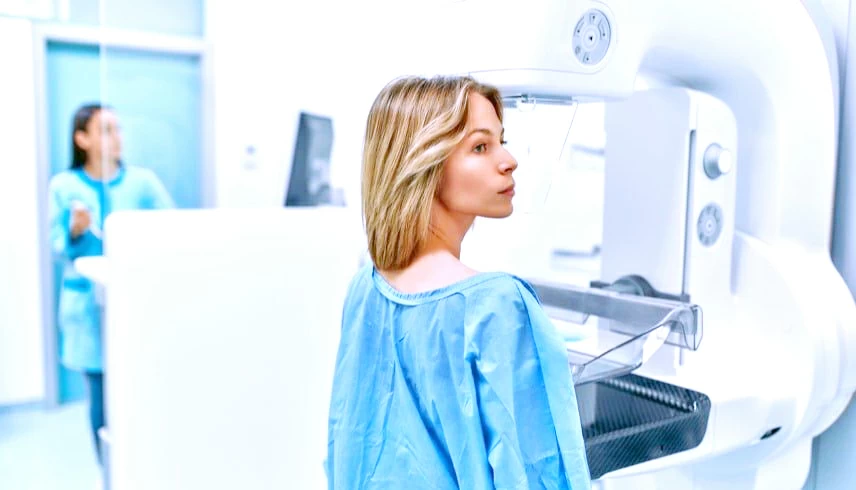
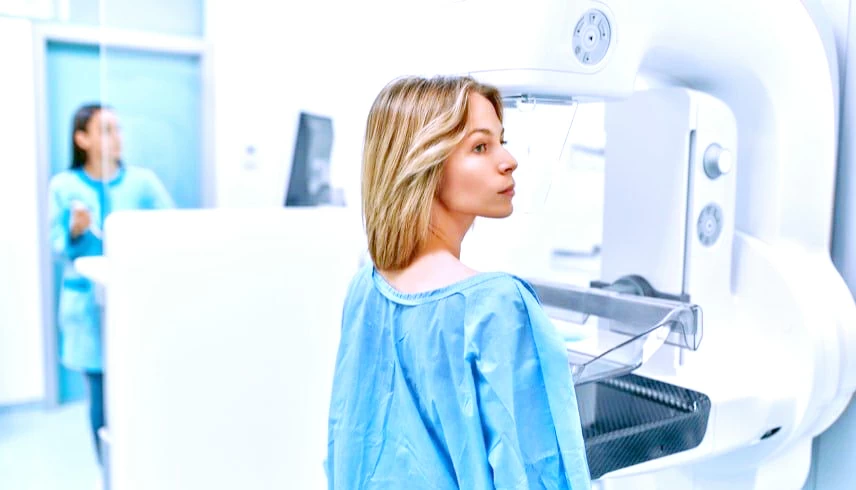
كشفت دراسات طبية حديثة أن فحص (الماموغرام) المستخدم أساساً للكشف المبكر عن سرطان الثدي قد يتحول إلى أداة مهمة للتنبؤ بأمراض القلب لدى النساء، إذ أظهرت أبحاث نُشرت في المجلة الأوروبية لأمراض القلب أن تحليل صور الأشعة باستخدام تقنيات الذكاء الاصطناعي قادر على رصد مؤشرات مبكرة لتصلب الشرايين.
وتعتمد التقنية الجديدة على تحليل ترسبات الكالسيوم التي قد تظهر في شرايين الثدي أثناء الفحص الإشعاعي الروتيني، إذ تشير هذه الترسبات إلى احتمال وجود تصلب في الأوعية الدموية، وهو عامل مرتبط بزيادة خطر الإصابة بالنوبات القلبية أو السكتات الدماغية مستقبلاً.
وبحسب الباحثين، فإن الاستفادة من صور (الماموغرام) الحالية قد تتيح ما يشبه «فحصاً مزدوجاً» للنساء، يجمع بين الكشف المبكر عن سرطان الثدي وتقييم مخاطر أمراض القلب دون الحاجة إلى فحوص إضافية أو تكاليف جديدة.
ويرى متخصصون أن هذه النتائج قد تفتح باباً جديداً للوقاية المبكرة، إذ يمكن للأطباء استخدام المعلومات المستخرجة من الفحص الروتيني لتحديد النساء الأكثر عرضة لأمراض القلب وتوجيههن إلى برامج وقائية أو فحوص قلبية أكثر دقة.
Recent medical studies have revealed that the mammogram, primarily used for the early detection of breast cancer, may become an important tool for predicting heart diseases in women. Research published in the European Journal of Cardiology has shown that analyzing X-ray images using artificial intelligence techniques can detect early indicators of arterial stiffness.
The new technique relies on analyzing calcium deposits that may appear in the breast arteries during routine radiological examinations. These deposits indicate a potential presence of stiffness in the blood vessels, which is a factor associated with an increased risk of heart attacks or strokes in the future.
According to the researchers, utilizing current mammogram images could provide what resembles a “dual screening” for women, combining early detection of breast cancer with an assessment of heart disease risks without the need for additional tests or new costs.
Experts believe that these results could open a new door for early prevention, as doctors can use the information extracted from routine examinations to identify women at higher risk for heart diseases and guide them to preventive programs or more accurate cardiac tests.